 by
by 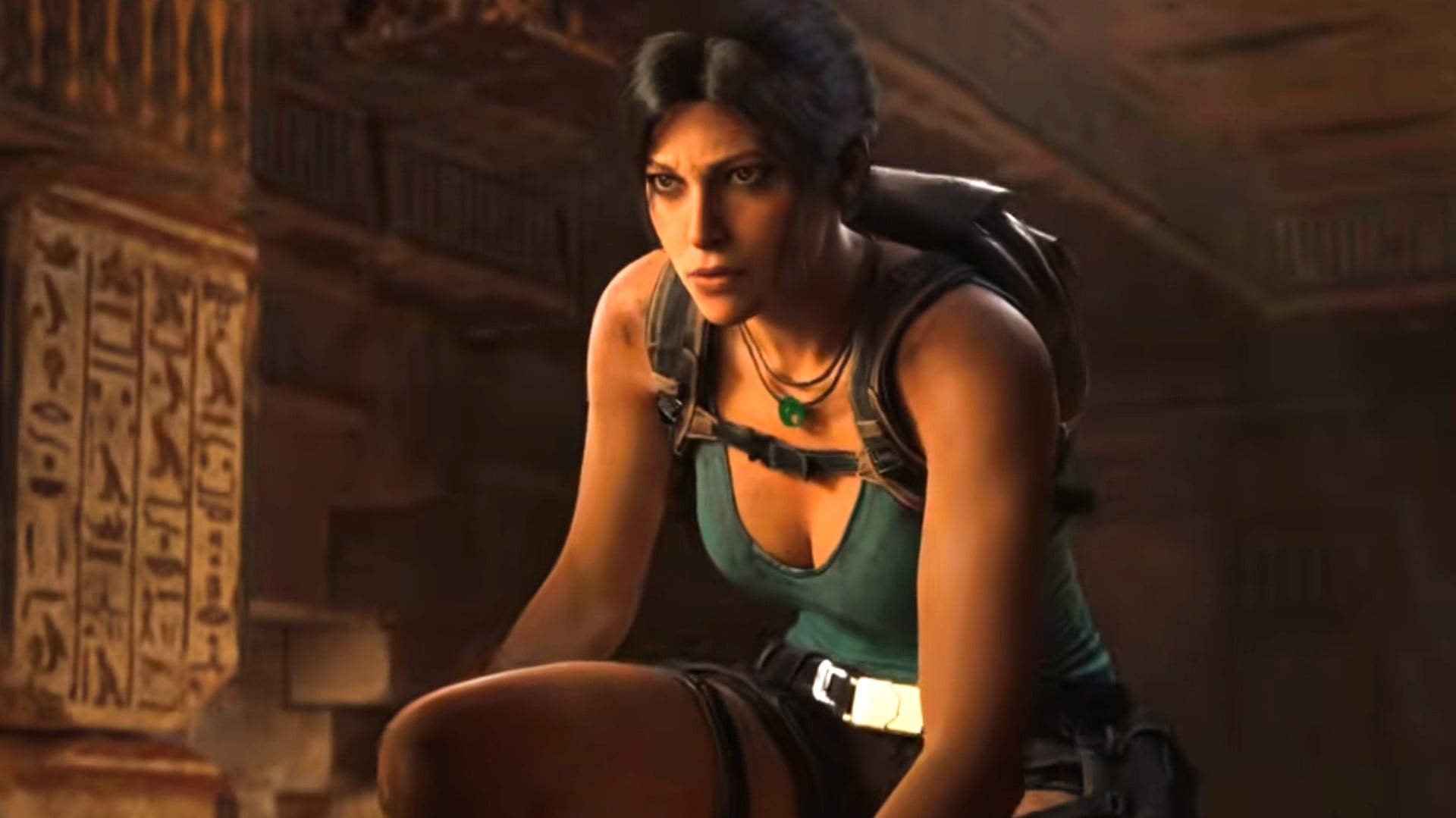
I think this last week, more than any other, has proved to me that AI – and specifically generative AI – is an issue in gaming we’re increasingly going to need to confront head-on.
Now I think it’s important to underline that everyone has their own moral compass here: some of you may not care at all, some of you may draw the line at generated artwork. I’m not necessarily here to tell you how you should feel, and I’m honestly not sure I’ve even decided on my own boundaries yet.
But one thing I do think is important is that devs are transparent about when and where they’re using the technology so we can all make up our own mind.
Subscribe to Push Square on YouTube172k
Credit to Tomb Raider: Legacy of Atlantis, then, for at least coming out and explaining how it’s using the technology.
This was one of many games spotlighted during Summer Game Fest last week – in this instance, during Sony’s State of Play – which was confirmed to feature generative AI in the aftermath of its release date reveal.
Speaking with Game Informer, Crystal Dynamics’ Jeff Adams explained its approach:
“At Crystal Dynamics, we see AI as a tool that can help our team get to right answers faster. So, let me give you an example of what that looks like. So, say in early level development, we have an idea for an object, but we're not sure whether or not we want to take the dev time to build it. We can use a generative AI tool to help us visualize that object in the world. And if it works, we'll then move it to our traditional pipeline. From there, the team will concept it, they'll build it, and we'll make sure that all the finished content in the final game is human-crafted. It's really important for us that our team has the tools to make the highest quality experience possible. Our fans deserve nothing less than that.”
Game Informer did ask follow-up questions about this but got blocked by PR, so that’s about the clearest statement we’re going to get out of Crystal Dynamics for now.
I suppose I can see the benefit of using AI in this instance, because it allows the team to more quickly and efficiently conceptualise how a level’s going to look.
But I wonder how much those generated assets ultimately go on to influence the art the dev creates. At what point does the AI begin to subconsciously determine the look and style of the game?
It’s a question I can’t answer.
I suppose the key thing here is that the work is still being handcrafted in the end, and so this probably falls into the side of acceptable for me. But I feel like we’re all going to need to draw our own conclusions on a case-by-case basis now, because it’s clear this topic isn’t going away.