
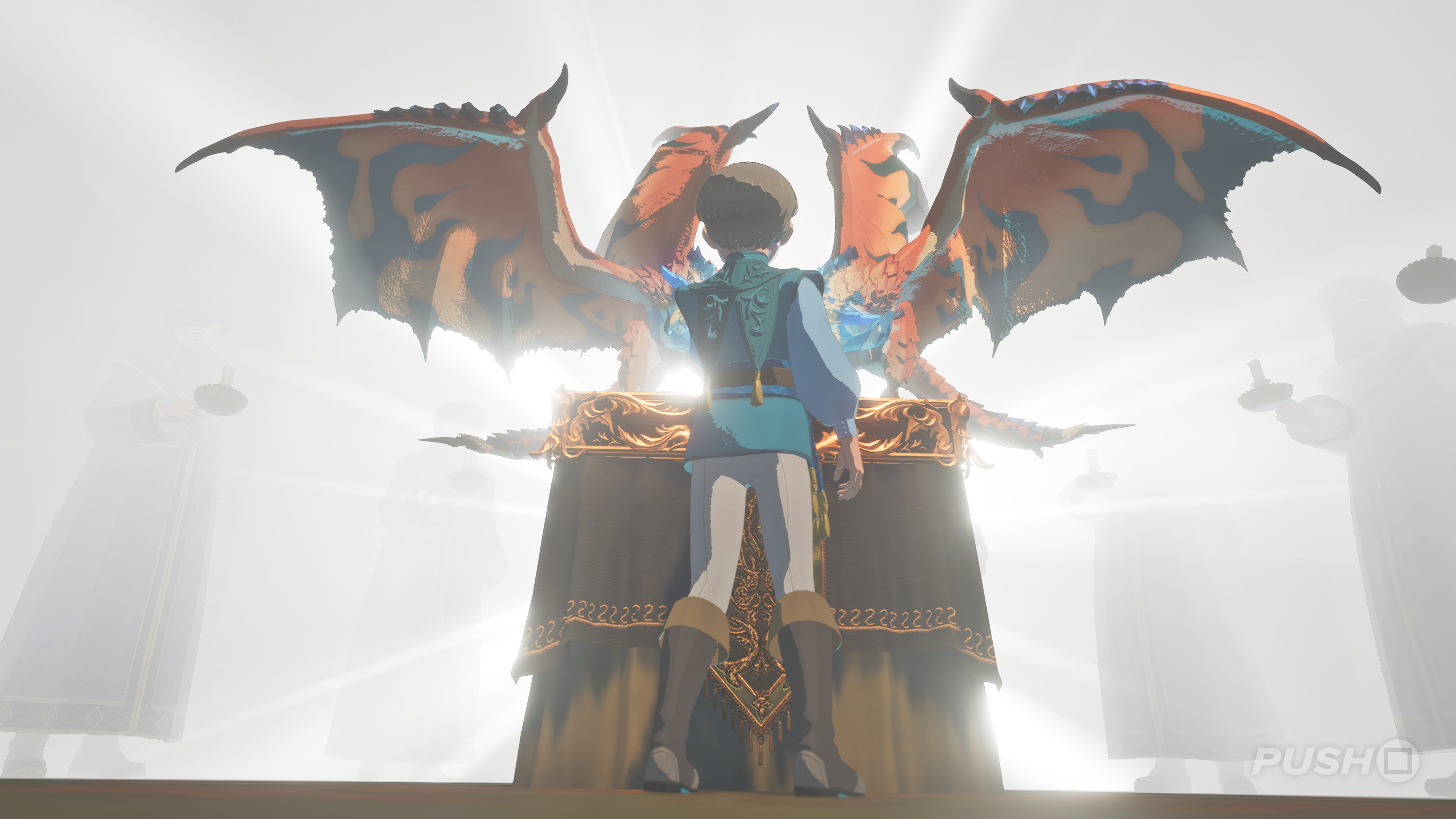
Our big take from playing Monster Hunter Stories 3: Twisted Reflection is that this spin-off series has come an incredibly long way.
It's gone from being a handheld RPG of relatively limited scope to being a big budget, borderline open world adventure packed with high quality cinematic storytelling. This could be Stories' true breakout moment, and the good news is that it would be deserved.
The thing is, Stories 3 doesn't stray too far from the established gameplay formula of its predecessors. Combat is still turn-based, and progression still hinges on discovering, hatching, and training a range of monster companions.
It's just that everything surrounding that core gameplay loop is much bigger, much prettier, and arguably, much more mature.
That latter point is mostly because of the plot, which incorporates political tensions between powerful kingdoms, and, for the first time in the series, a cast that's largely made up of (young) adults.
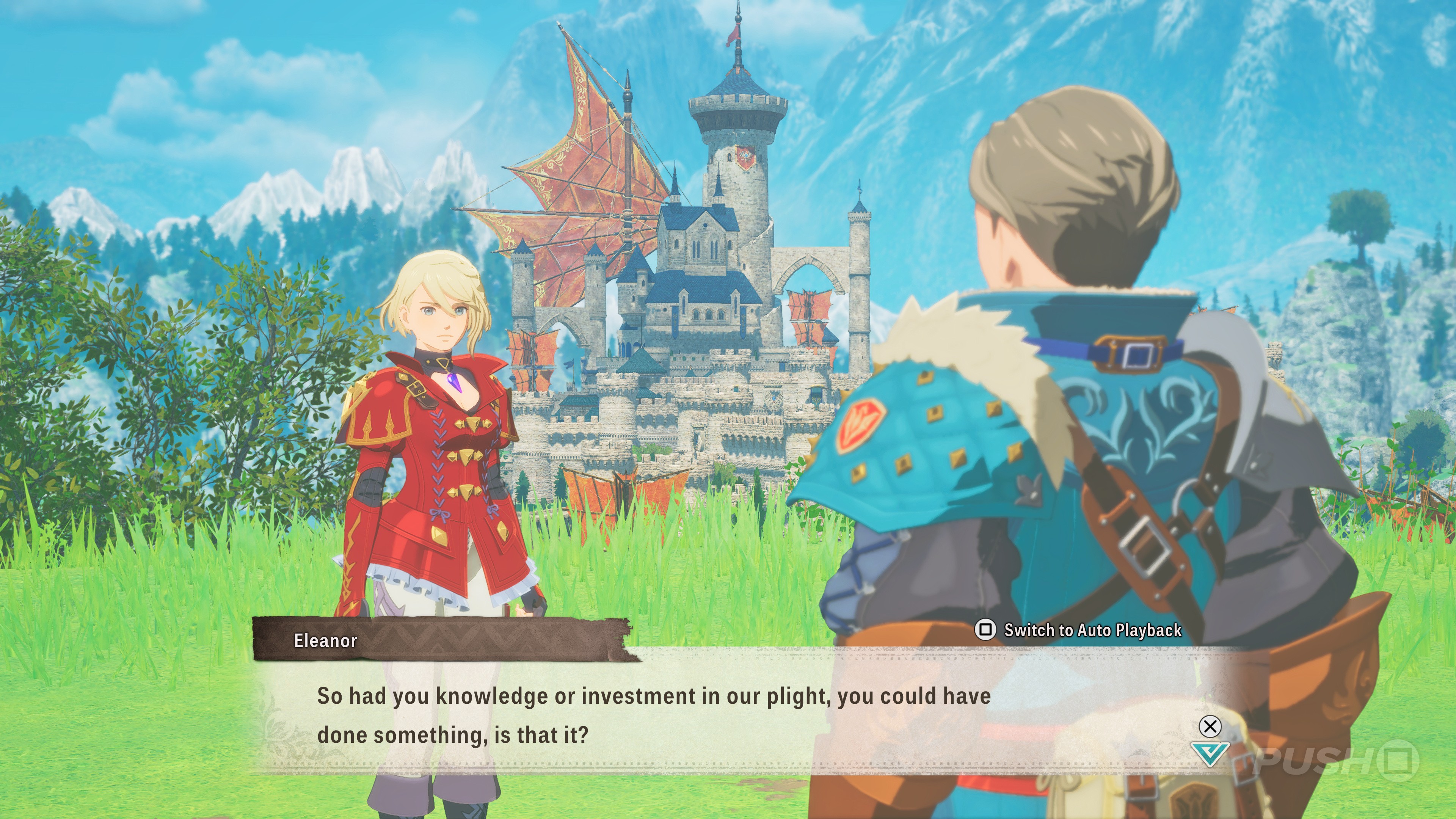
It's not like the narrative is going to blow your mind, but it's so well presented and neatly written throughout. The numerous cutscenes are absolutely top notch, and the character drama hits an all-time high for Monster Hunter in general.
You're the heir to your kingdom's throne — a custom hero who finds themselves at odds with their own preordained duty. You see, your stoic dad is still sitting on said throne, and he expects you to prove that you're capable of succeeding him by leading the kingdom's monster-riding Ranger unit.
Given their monster taming skills, the Rangers are something of a trump card in warfare; a kind of special forces squad who have a fearsome fire-breathing Rathalos in their ranks — a beast that just so happens to be your lifelong ally.
But again, our protagonist's interests lie elsewhere. When they're not being called into battle, the Rangers are tasked with upholding the balance of the natural kingdom. They slay problematic monsters, and reintroduce endangered species back into the wild in order to maintain ecological peace.
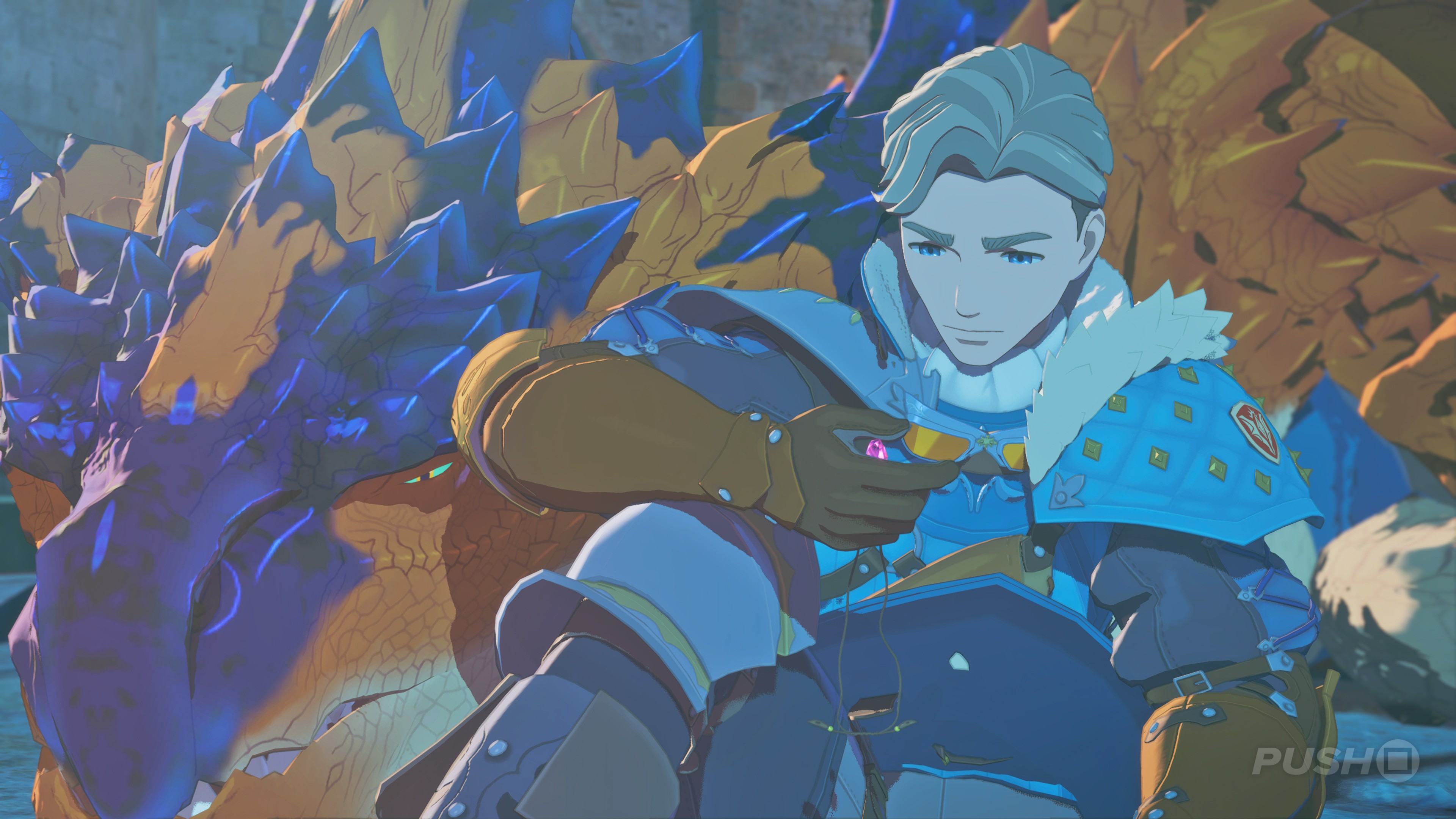
In short, you and your mates are total monster nerds, and you're all convinced that war isn't the answer to the land's growing problems. As a crystallised plague slowly creeps across the neighbouring countries, you've got no choice but to get out there and track down the source before all hell breaks loose between increasingly desperate nations.
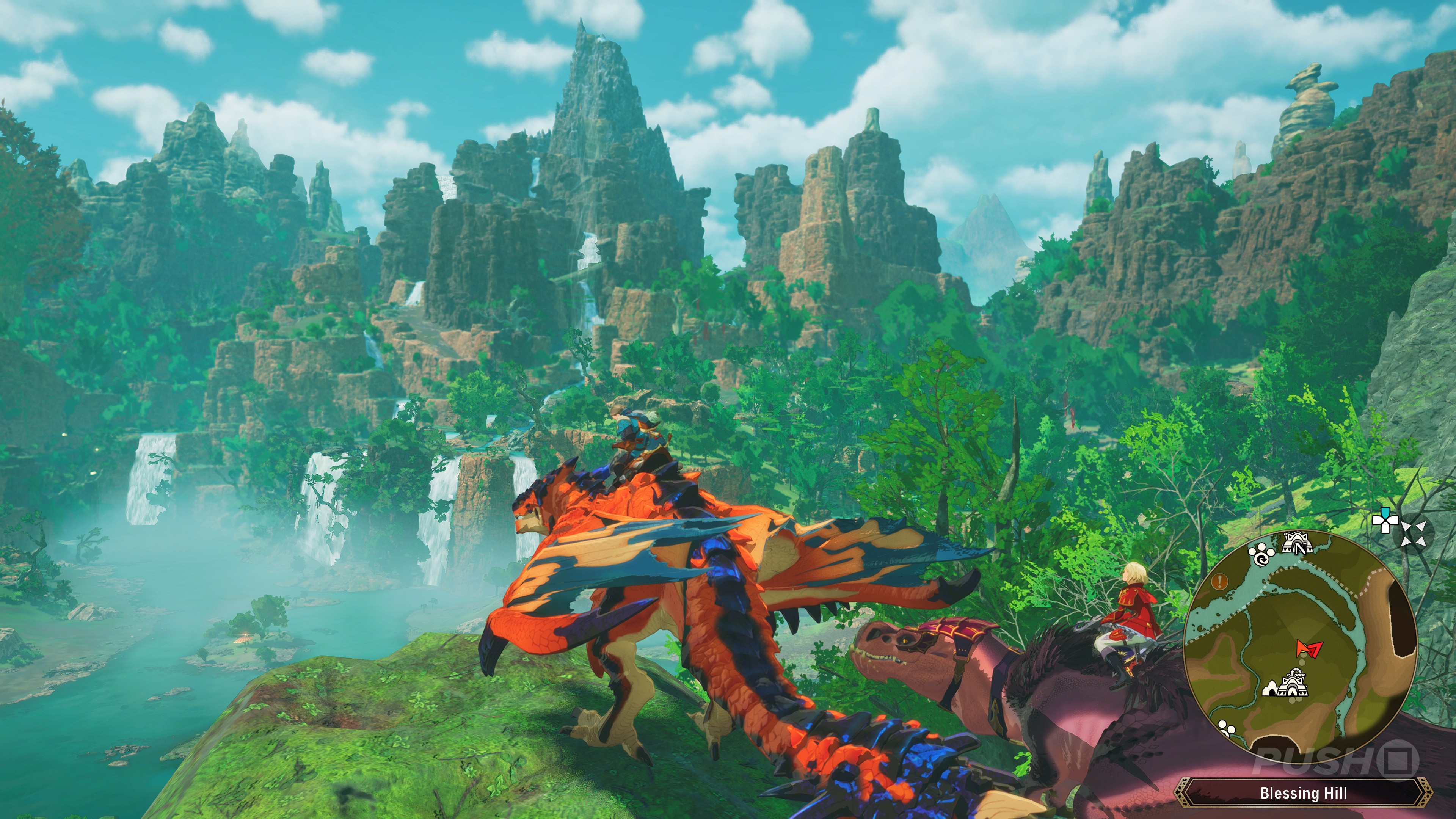
It's a strong setup for a proper adventure into the unknown, and it's obviously a great excuse to have you explore all kinds of diverse biomes, which take the form of open world-style zones.
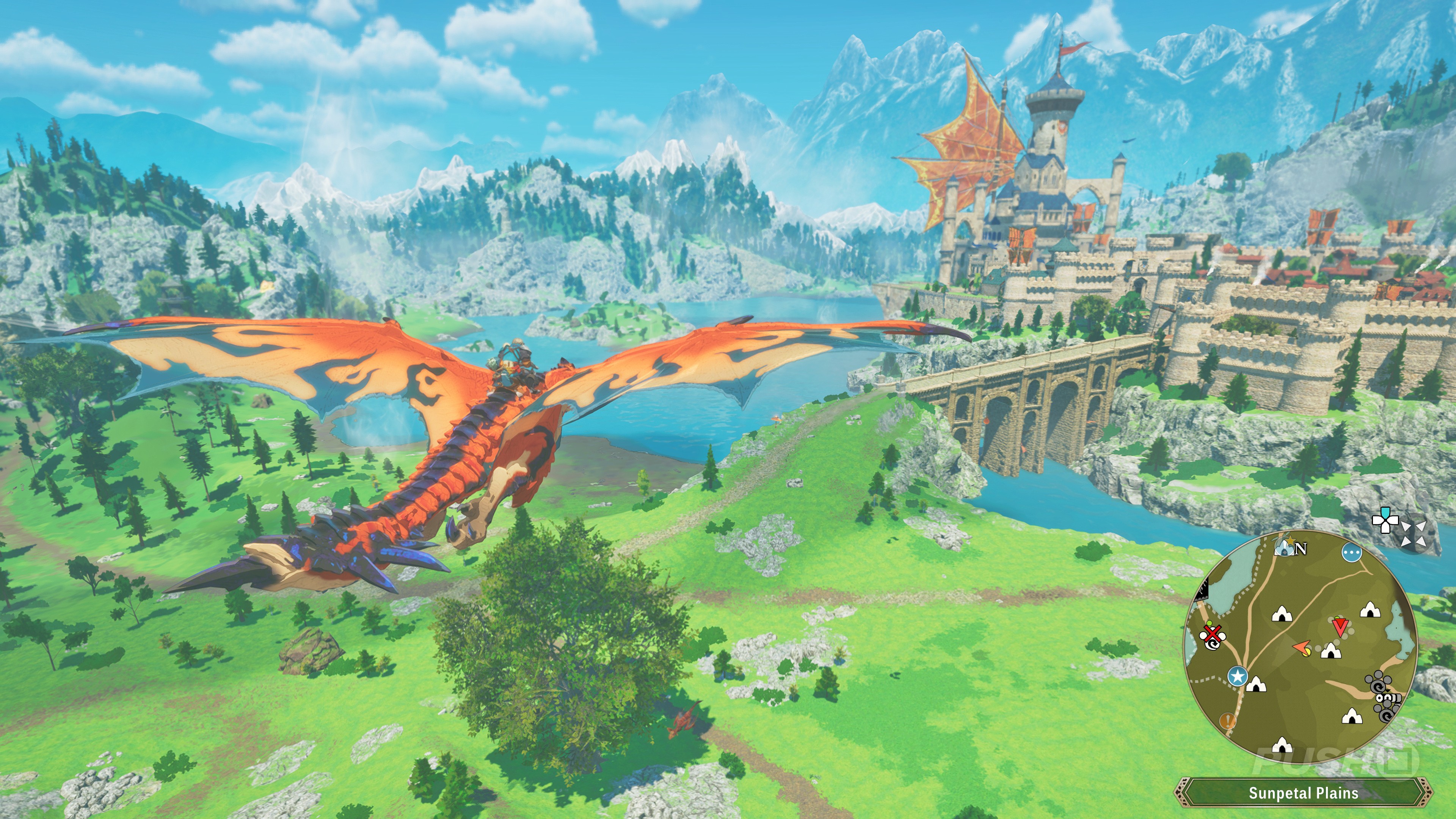
These zones are home to wandering monsters, randomly-spawning monster dens that hold monster eggs, and a surprising number of secret locations. For the most part, you'll traverse these maps by hopping atop a tamed monster of your choice, each of which boast their own environmental actions.
Your Rathalos, for example, can leap into the air and fly for a time, letting you glide to otherwise inaccessible areas. Other creatures can swim or scramble up rocky walls, making it feel like your companions are key even outside of combat.
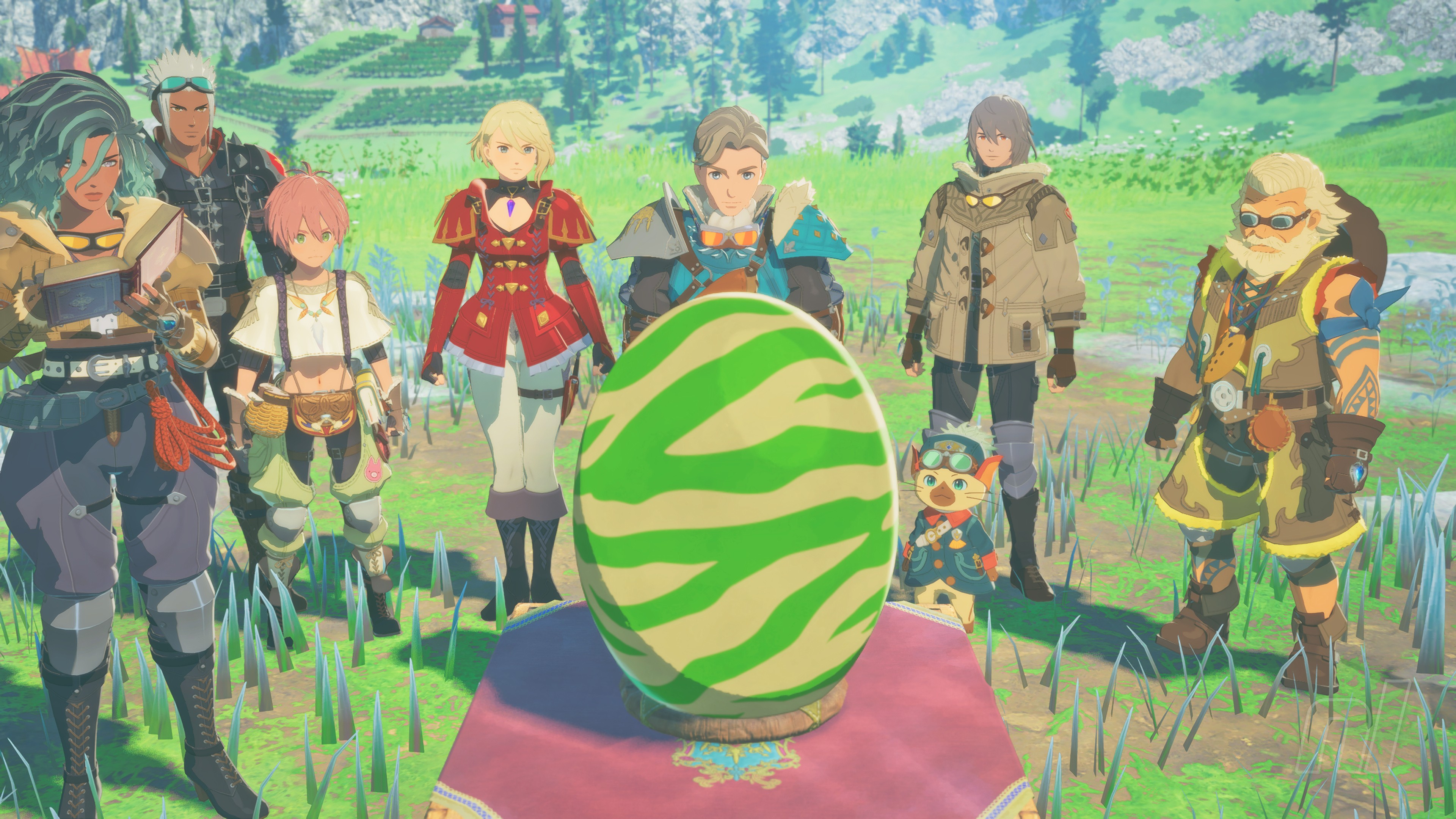
But the most interesting thing about these open zones is that your Ranger-ing can massively impact their ecology.
One of the game's most addictive systems is the reintroduction of monsters to their native habitats. By releasing hatched monsters into specific ecosystems, you both strengthen their species and allow new types of creatures to take root.
Granted, the process can be a bit of a grind as you spend hours collecting eggs just so that you can release the newborns, but the rewards are almost endless. A stronger species means stronger individual monsters for your party, and depending on the environment, monsters can even mutate, adopting elemental attributes and abilities that are usually off-limits to the base species.
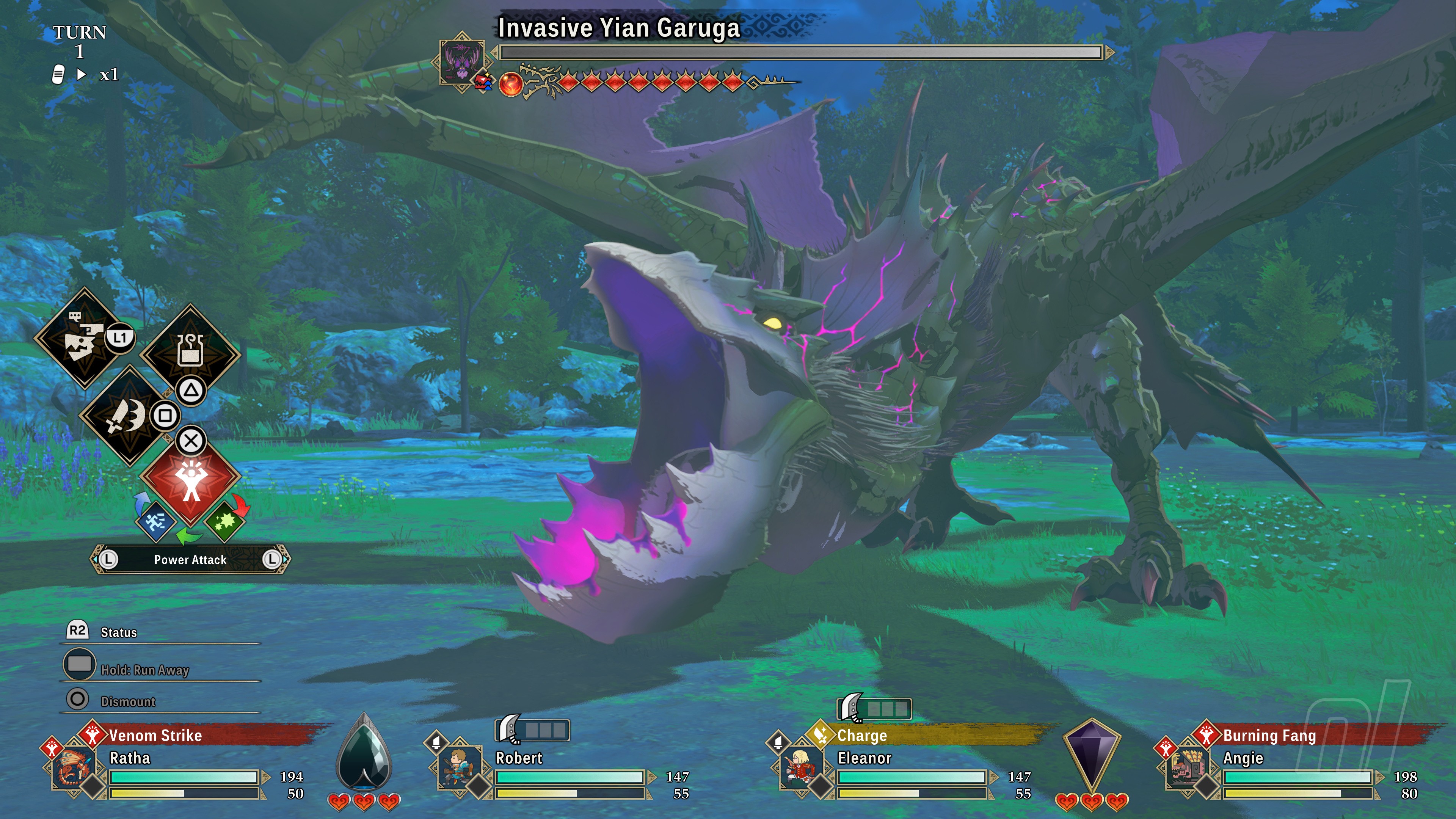
The system's not quite as in-depth or dynamic as it might sound — you don't have a whole lot of freedom in how you actually diversify a location, due to each area having its own fixed set of monsters — but it's still a rewarding time sink. There's absolutely no doubt that players looking to build the ultimate team of monsters will get utterly lost in this stuff.
But of course, getting to that point requires a lot of arse-kicking, as you level up your often scaly companions so that you're capable of hunting down those all-important eggs.
Across the game's entire first half or so, we were torn on the combat. On the one hand, it's easily the deepest, and arguably most dynamic system in the series. But on the other, it can feel like you lack agency.
Throughout the game, you're accompanied by at least one human party member and their own monster partner. However, both allies are completely autonomous; you have no say over what they do on their turn, and although the AI is generally smart and often very helpful, it can almost be too accommodating.
In early encounters, your companions basically lead the way. They deal more damage than you because their stats simply scale with your level — they don't have to worry about upgrading equipment — and they've got an infinite number of healing items. You're the Rangers' leader, but you're certainly not their best asset in battle.
Again, this imbalance remains in place for a sizeable chunk of the game. At times, it can feel as though you're being outright carried by the other Rangers — like the game's teetering on the edge of just playing itself.
Now, is this better than the alternative of having useless companions who are nothing but a hindrance? That's probably a yes, but it doesn't stop your character from feeling awkwardly underpowered at every turn.
Thankfully, the balance does even out eventually, as you acquire more powerful weapons, armours, and monsters. We suppose that you can explain this jump in effectiveness from a narrative perspective, as our once meek hero begins to believe in their abilities, but from a gameplay point of view, we do wish the tables turned a lot sooner.
To be fair, though, there comes a point where you'll have no choice but to outdo your allies. As you creep towards endgame content, the challenge ramps up dramatically, all but forcing you to build an unstoppable team, and equip yourself with the best possible gear.
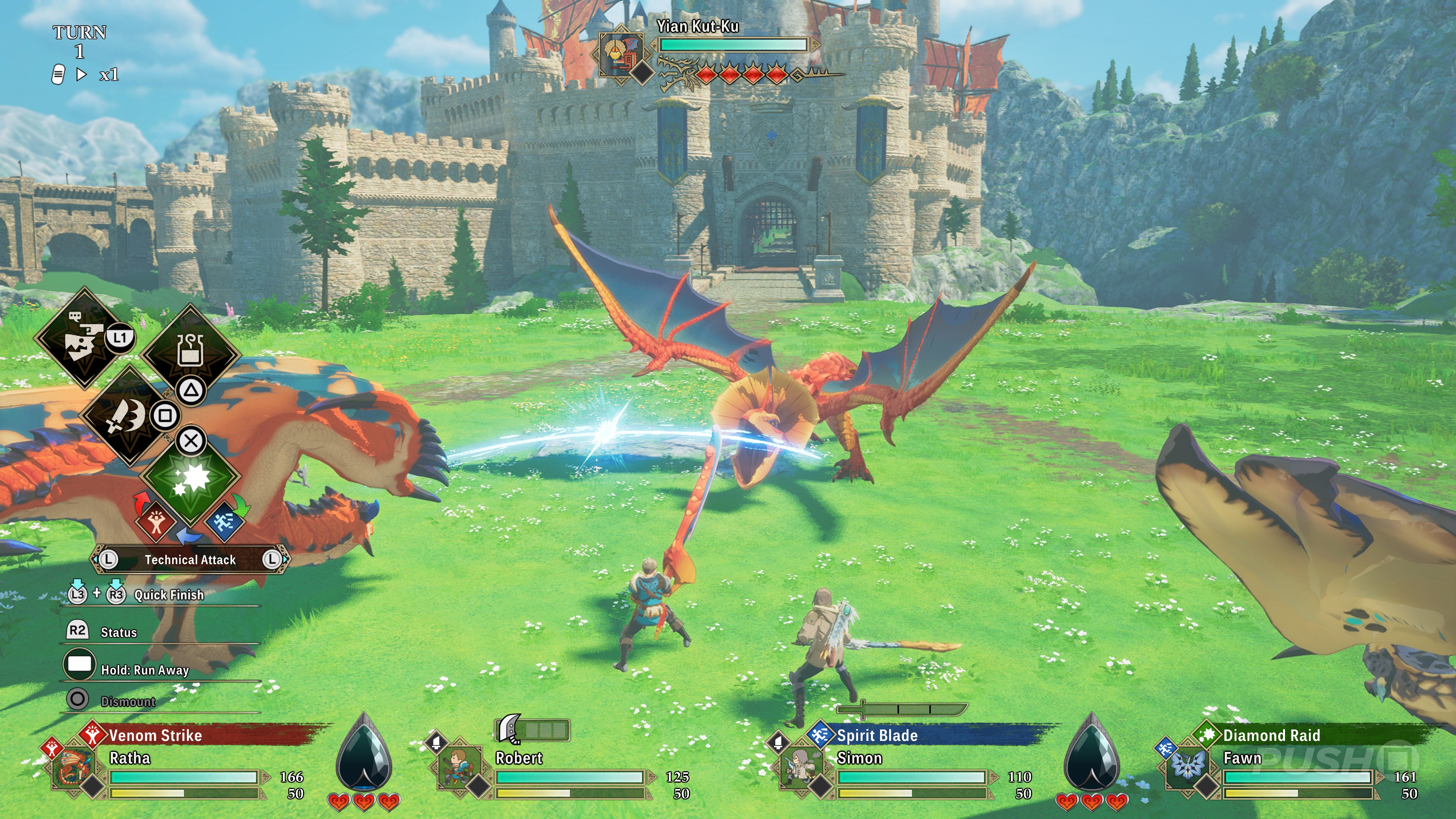
The combat itself is quite beautifully presented, although the convoluted user interface — a Monster Hunter staple, let's face it — can take some getting used to. The sheer number of unique monster animations is pretty jaw-dropping, and all of the kinship skills — ultimate attacks that see rider and monster team up — are a treat for the eyes.
Mechanically, the series' rock-paper-scissors system remains, but it's just one part of a more branching turn-based approach.
Each and every monster has a preference of power, technique, or speed. Your job is to try and read the opponent's body language and counter appropriately; win a head-to-head clash and you'll maximise your own damage, while limiting the hit that you take.
But this time around, monsters exhibit much more varied behaviour, often opting for special attacks that are separate from the rock-paper-scissors fundamentals. This leads to an engaging back-and-forth combat style, where you jump between prioritising survival, and prioritising hard-hitting counterattacks.
It's really satisfying stuff (when your allies aren't stealing all the glory), and the game serves up some fantastic, twisting and turning boss battles that showcase the system's many strengths.
Conclusion
Monster Hunter Stories 3 is the pinnacle of the series in so many ways — especially from a storytelling perspective. At its core, it's a ridiculously addictive monster taming RPG, boasting in-depth progression systems and satisfying combat mechanics — but it does take quite a long time for everything to truly click.


Comments 15
If anyone's got any questions about the game or the review, let me know and I'll try to answer them.
To say I became addicted to Stories 3 is an understatement. Spent many nights staying up far too late, hatching god-knows how many monsters in search of rare mutations.
Like the review says, it's a shame that the combat system in particular takes so long to even out. The core gameplay loop is ridiculously good if you don't mind the grind.
Thanks for reading!
Also, apologies for some of the screenshots looking so washed out.
I spent the opening hours with my PS5's HDR settings turned on, and it was only after the demo launched that Capcom confirmed it wasn't supported.
By that point I was so far in that I couldn't think about going back to start a new game for the sake of screenshots.
So just know that the game definitely doesn't look that bright under normal circumstances.
gosh, capcom has a foundation here for a new breath of fire game by the looks of things. why is the company so afraid of reviving it? sad to see them putting out 3 monster hunter spinoffs with a traditional battle system and yet won't even acknowledge breath of fire exists
Capcom didn't ask you guys to wait for updates on this one?
@RedRiot193 No, Capcom sent out incredibly early review code for this one. It arrived about one month ahead of today's embargo, which is crazy (and hugely helpful).
We'd need to check to be totally sure, but I think this might have been the earliest review code we've ever received.
having found the demo to be just brilliant, an 8/10 score here seems to be curiously low especially when looking at the average from other outlets
and yes, waiting for Bungee to update their game before providing a review score while Bungee are asking customers to pay full price will never not be editorial incompetence
@RedRiot193 @scoobdoo Okay, but turns out we're not alone: https://www.metacritic.com/game/marathon/
Please leave discussion/feedback of other reviews in the appropriate venues.
This is the place to talk about Monster Hunter Stories 3 and Rob's excellent review.
Thank you!
Maybe I overlooked it, but does the game require you to play the first two games in the series, or is this a good starting point?
I never played the first two games but always wanted to dive in. Should really get around to that lol
@Kraven Each game has a standalone story, so no prior knowledge is needed at all.
Playing the first two games will give you a head start on certain systems and gameplay mechanics, but that's it.
Capcom is going to be the Developer of the Year with probably 4 bangers of games
RE Requiem
MHS 3
Pragmata
Onimusha
@Barry_vV Yeah, and they might have other unannounced stuff too.
The demo convinced me to give the series from the start a chance and im glad I did. Can't imagine how awesome 2 and 3 are gonna be if the 3ds game is already a ton of fun to play
It's weird how similar in gameplay loop it feels to the main series. Fight and tame mons, get their parts to build your gear and fight and tame new mons with said gear to build even more gear lol
@get2sammyb we’re certainly getting a second retro collection as they usually do 2 yearly and something tells me Ace Attorney fans won’t have to wait long for a new game anyway.
The convluted menus and and user interferance made me cancel my preorder after playing the demo. Any chance you actually get used to it after playing for a while Shogun? I loved everything else in the demo but that one annoyance was too big for my liking.
Show Comments
Leave A Comment
Hold on there, you need to login to post a comment...