 review by
 Marvel’s Wolverine is a great video game. If such a thing could be looked up in the dictionary, you’d find Logan and his bared claws staring back.
In fact, I can’t remember a time when our own review scoring policy has described a game better:
"An accomplished experience, these titles excel in crucial areas, mitigating any shortcomings encountered elsewhere. A game awarded this score may have an outstanding gameplay loop or an incredibly compelling story. Other releases awarded this score may be content confidently re-treading familiar ground."
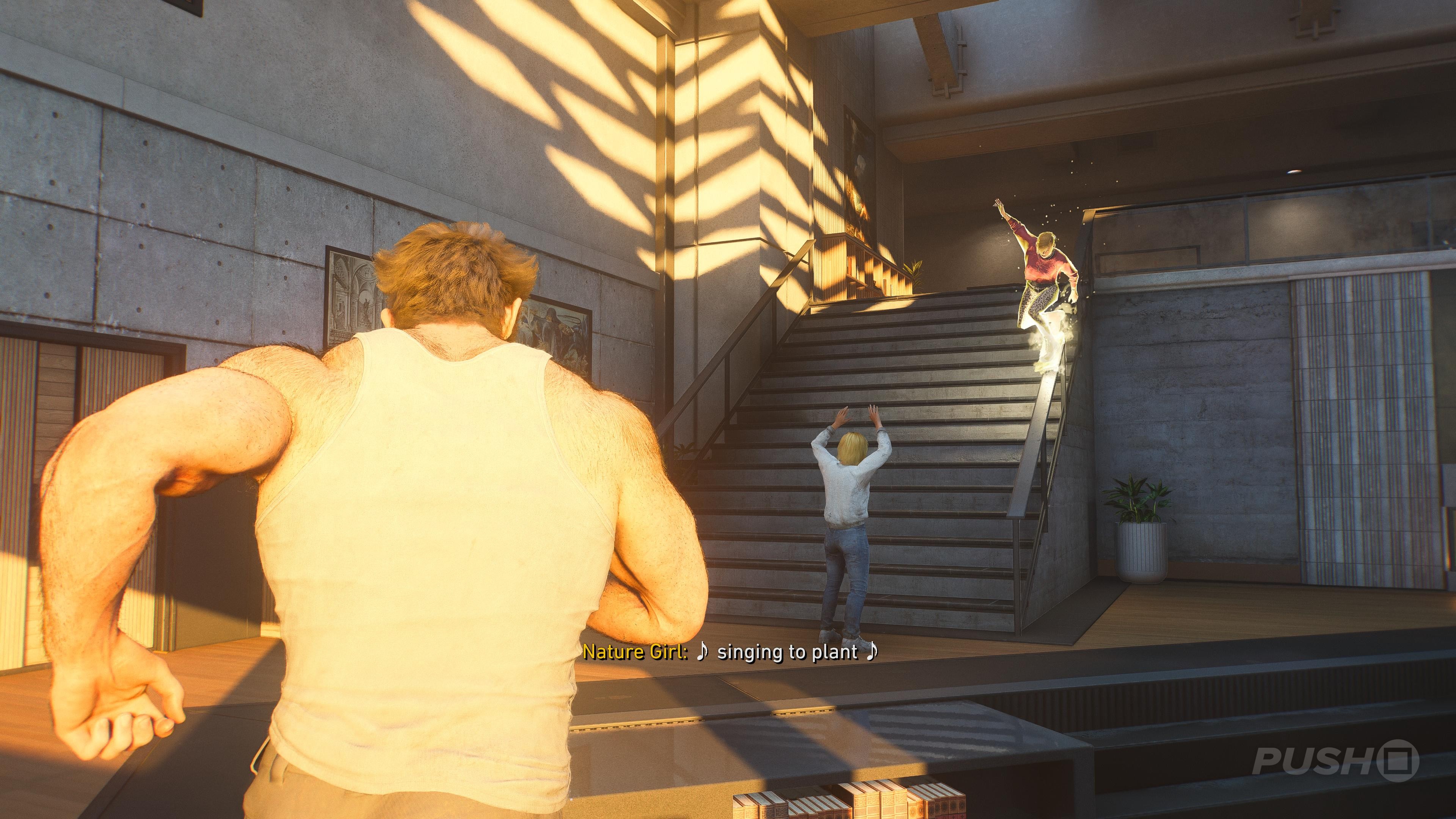
That is exactly what Marvel’s Wolverine is: it swaps the open world structure of previous Insomniac titles for a linear, focused experience all about action. It will take the time to slow down and live in the moment, with quieter scenes of dialogue and character development. It also delivers excellent performances and a nice variety of settings.
However, that’s all in service of fleshing out a title tuned for combat. You play this game to tear enemies limb from limb over and over again — that’s what it leans all the way into and excels at.
It’s the ultimate Wolverine simulator with the mask on; it’s without it where the PS5 exclusive falls short.
Set before the X-Men have been established, Logan is rescued from a life in the wilderness by Nathaniel Essex, a former teammate, to help stop a plot to kidnap fellow mutants. Essex is providing them a sanctuary away from the prejudice of society, so the plot sets up a push and pull of rescuing mutants while trying to end the abductions.
As well as a present-day story, the game also explores Logan’s past. It begins with quick flashbacks and audio logs from optional Nightmare Doors, but becomes more pronounced as the plot develops.
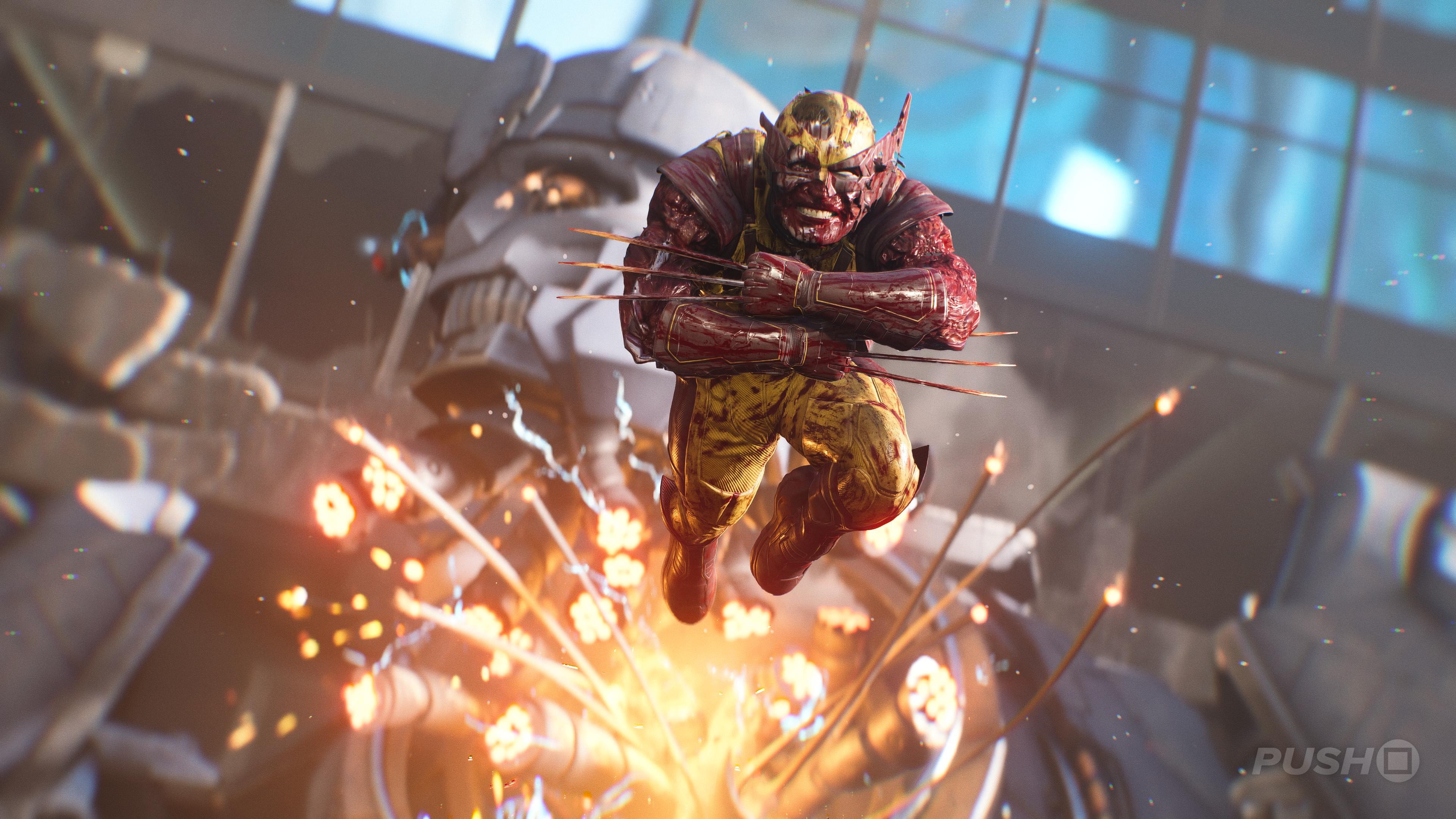
Together, the two storylines merge for a roughly 20-hour campaign full of fast-paced and gory action. Insomniac has embraced the blood and decapitation tied to Logan’s claws by crafting a combat system that revels in the human butchery. Light exploration and traversal break up a lot of the missions, allowing Logan to track scents to notable objects and harness his superhuman strength to jump great distances — but it’s never too long before the claws are out again.
Without a stamina meter to worry about, Wolverine lands cuts and impalements about as fast as you can press the attack button. There are some very simple combos to learn, though most of the variety comes from special attacks that unlock as you progress the campaign. As such, it’s not a Devil May Cry experience where you’re mastering complex attacks and achieving crazy combos; the game remains relatively straightforward and approachable throughout.
Instead, it sources that kind of swagger from takedowns and team combos. Brutal finishing animations sever body parts while Jean Grey uses her telekinetic powers to set up easy kills for Logan.
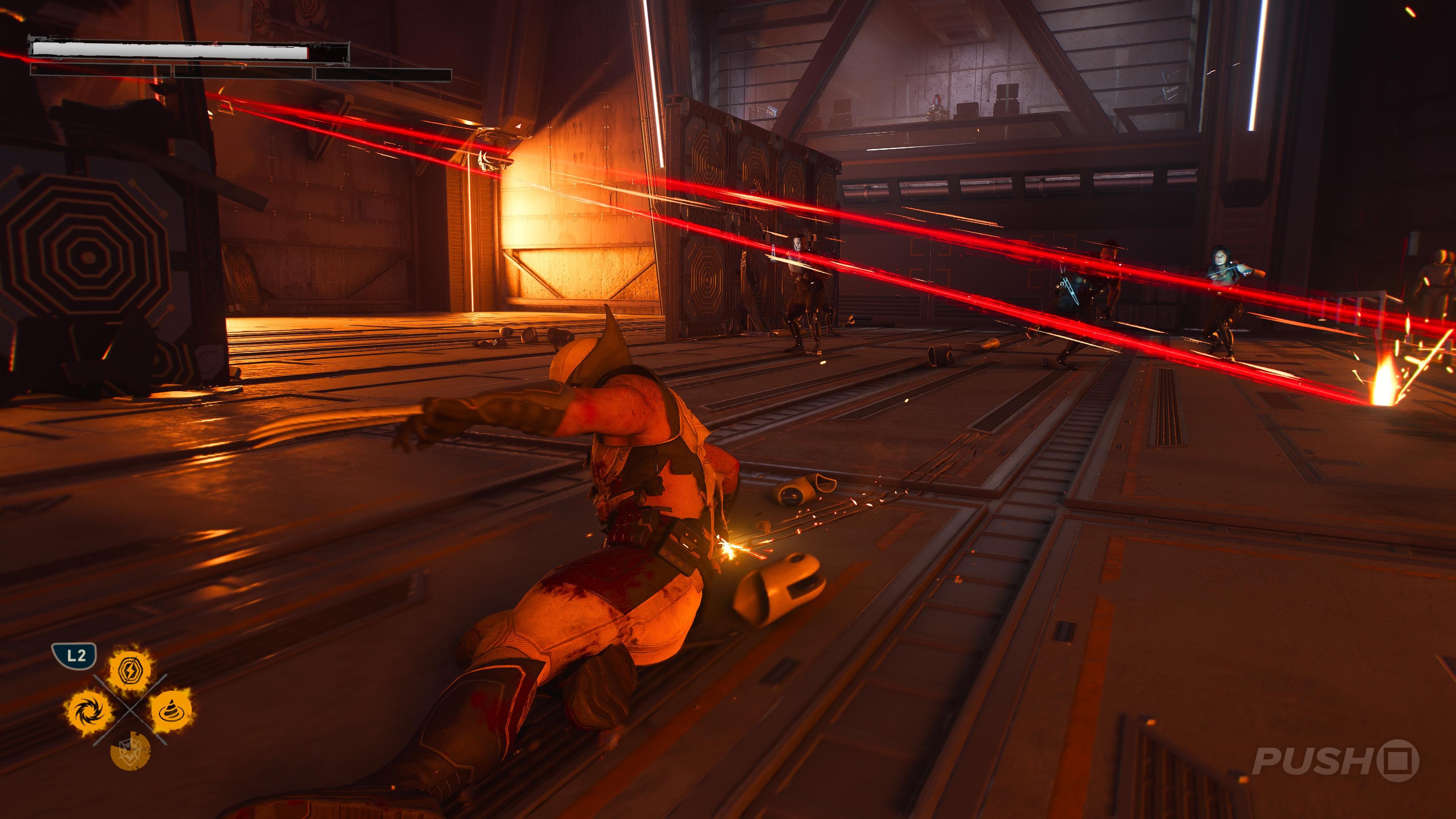
These deaths add a lot of flair to the combat system, creating nice transitions between the general loop of enemy kills and taking a second for a close-up slow-motion slaughter. They leave environments drenched in blood and guts; the camera never cuts from an especially gory decapitation during both gameplay and cutscenes.
While I found the skill tree somewhat limited, offering only a handful of new moves to learn, the core mechanic is so strong that it comfortably carries the title from start to finish.
Following a mostly linear path through levels, there’ll be short breaks for conversation and side tasks. In reality, though, Marvel’s Wolverine is one combat encounter after another, and that’s what it unquestionably nails.
What it doesn’t is the story binding those scenarios and missions together.
Logan’s quest to help mutants does develop and the supporting cast helps with personal motives, but what it builds to simply isn’t that interesting. Cool set-pieces, chase sequences, and a few twists make the build-up a lot more gripping. However, the pay-off at the end and the narrative taken as a whole never particularly thrilled me.

I’m far more of a Spider-Man fan than Wolverine, so I’ll concede some of the more vague references will have gone over my head. I know the broad strokes, though, and this telling of Logan’s past combined with present-day events was lacking impact for me.
Some pretty poorly presented story elements don't help it either. Up until the second half of the campaign, the plotline revealing Logan’s past is mostly kept to side activities called Nightmare Doors. These are combat and traversal challenges, but finishing them unlocks an audio log describing one of Logan’s memories.
They’re presented as white text on a dark translucent background that Logan reads from — they look borderline unfinished and the reading stops if you exit off the screen. Considering how important these optional logs are, I was surprised to see them so poorly presented. They feel rushed and put together at the last second.
Liam McIntyre at least brings them to life with a wonderful performance that embodies every aspect of the Wolverine character. From the shouting and the grunting to the personal and touching moments, McIntyre nails the extremes and everything in between.
Troy Baker as Nathaniel Essex, Krizia Bajos playing Jean Grey, and Brett Gipson portraying Sabreooth all deliver standout performances too. Despite the story they’ve brought to life not being all that entertaining, their vocals and motion capture are some of the best you’ll experience all year.
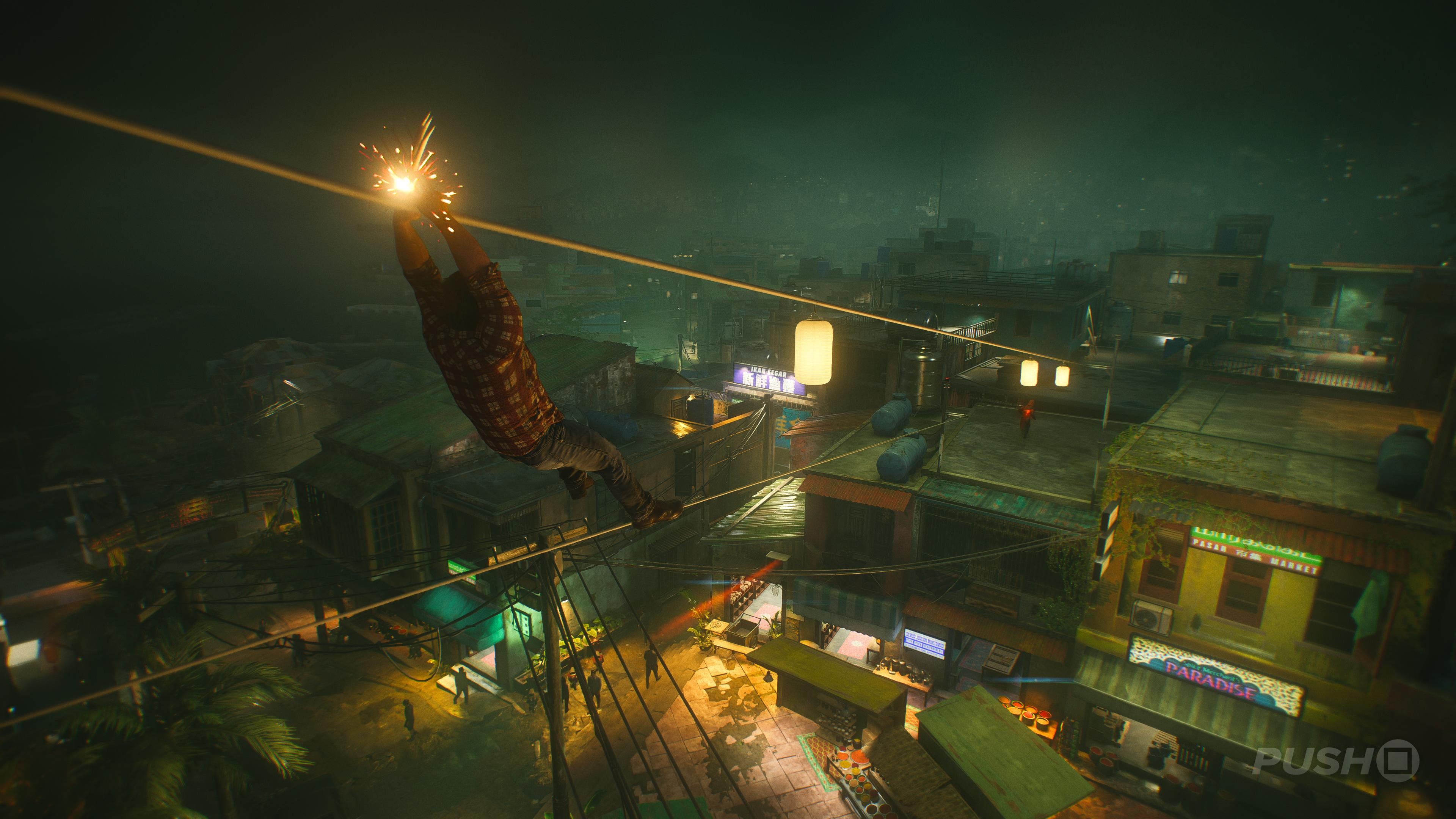
The campaign is set across a few different countries, including Canada, Japan, and the fictional island of Madripoor, and within them are varied locations that help each level feel fresh.
You’ll explore a slick and neon-lit Tokyo one mission, and then the next will set itself in ancient ruins near a volcano. There’s a good amount of variety that extends to the set-pieces and vehicle sections; motorbike sequences work and control well, while scenes aboard an out-of-control aeroplane thrill.
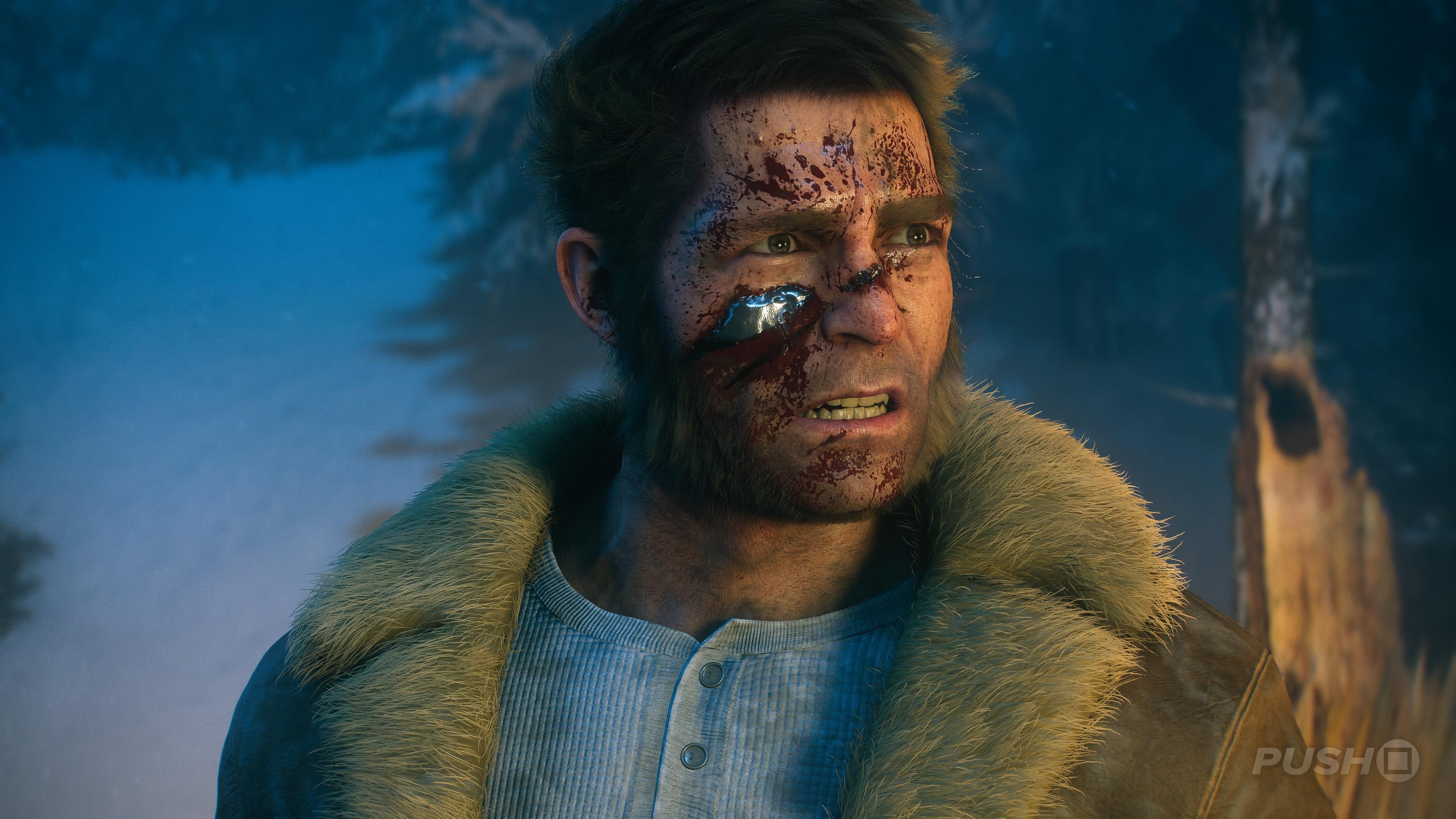
The one problem is the on-rails nature you’d expect in these sequences often extends to general gameplay, creating a surprisingly restrictive experience at times.
Marvel’s Wolverine is a linear game that wants to guide you to your next objective with on-screen markers, but sometimes, it will let you explore a slightly larger area. The edges of these places aren’t hidden well; I encountered countless invisible walls that blocked my path when it wouldn’t really make sense. Logan can perform 30-foot jumps in some missions, but then can’t hop over a police car in another.
A few levels also feature fades to black if you stray too far from the objective, despite the fact they could be freely explored only minutes before. I think you just have to accept Marvel’s Wolverine for what it is: a strictly linear experience that demands you play it the way it wants you to.
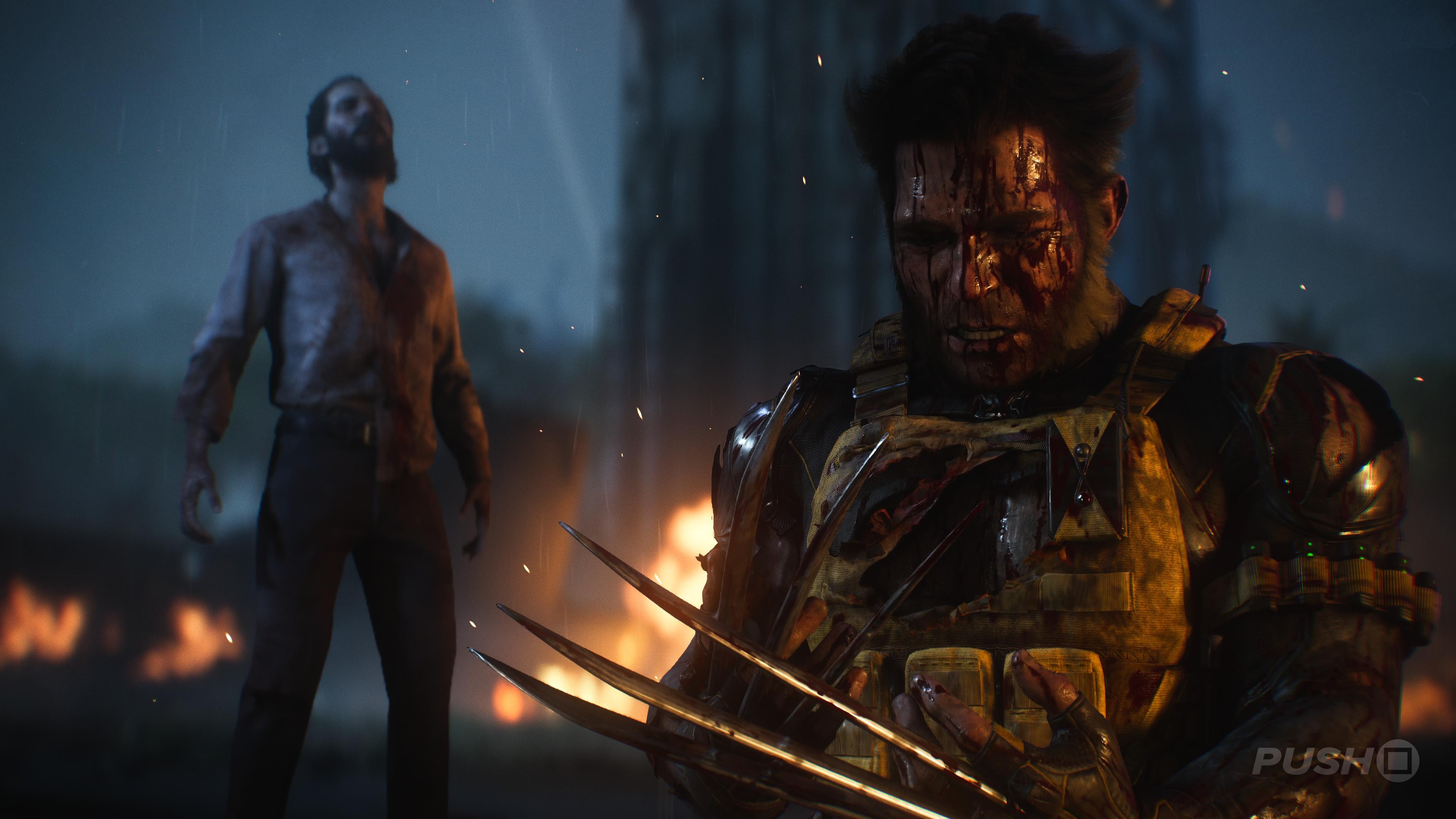
It's resolute in that commitment, only allowing customisation through Logan’s suits and claws, creating a pretty simple character build via Adaptations, and your PS5 graphical settings.
I played through the game on a PS5 Pro set to the Performance Pro mode, which runs the title at 60 frames-per-second while outputting the visuals of the standard Fidelity mode and then improving them through PSSR (PlayStation Spectral Super Resolution).
There’s also a Fidelity Pro setting providing 30FPS gameplay with advanced ray-tracing capabilities, and base PS5 console players can toggle between performance and graphical optimisations.
Save for a few bugs that required a checkpoint restart, my playthrough ran excellently and was matched with outstanding graphics. At times, especially in the face models, Marvel’s Wolverine represents the best visuals possible in 2026. It looks absolutely incredible.
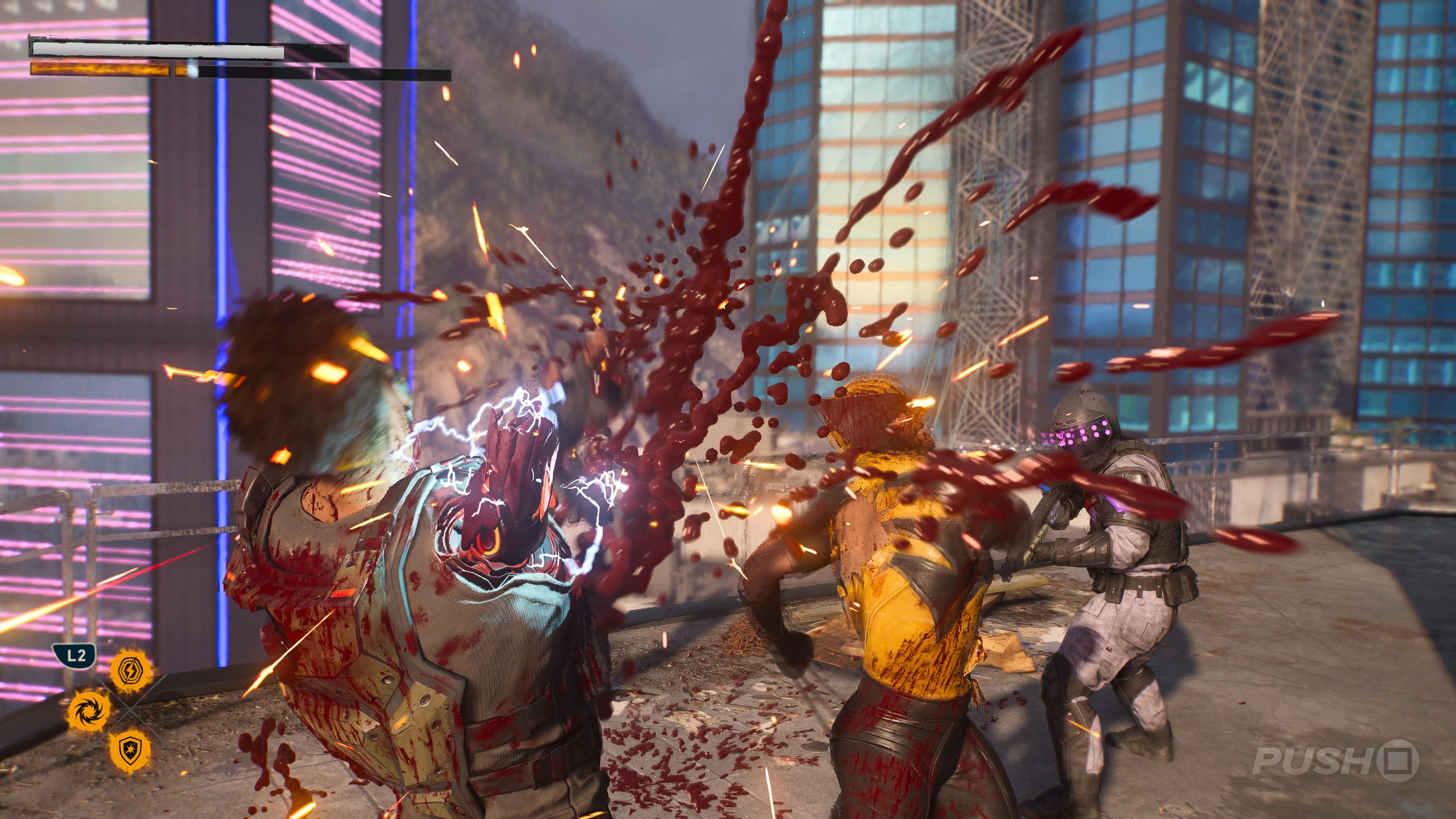
The framerate keeps pace with the action and retains all the details of a bloodbath Logan leaves in his wake. From day one, the game looks and runs exactly as you’d want it to.
A decent amount of PS5 DualSense controller support makes it more interactive, too. Haptic feedback enhances vibrations and proves effective during pivotal scenes, while adaptive triggers provide a touch of resistance to Wolverine's attacks. It's not the best implementation I've ever come across, but what's there works well.
It all comes together to make Insomniac’s altered vision a reality: the developer evidently wanted to do something different after three open world titles, and Marvel’s Wolverine is exactly that. Warts and all, it embraces combat and designs the entire thing around the next enemy to tear in half. And, at the end of it, the game is yet another sublime superhero adventure — you just have to meet it on its terms.
Conclusion
Marvel’s Wolverine ends the open world streak at Insomniac for an intentional and linear superhuman title that revels in its gory, intense combat system. The campaign structured around it can be overly restrictive and the story quite dull, but as a mission guides you from one fight to the next, it lets the bloodshed do the talking. With superb visuals, amazing character performances, and nice location variety, Marvel’s Wolverine sheds its flaws for an endlessly enjoyable superhero experience.


Comments 51
Hi everyone, if you have any questions beyond what the review covers, feel free to copy me in!
About what I expected for a score. I’m looking forward to it, but I’m glad I went Dawnwalker first.
Basically a disaster so I'm glad I went with MindsEye.
Shame you feel the need to justify the score immediately at the beginning of the review but absolutely understandable. I'm sure everyone will be cool about it...
I'm just glad to hear that this game will make you feel like Spider-man.
For 17yrs Arkham has reigned supreme...it looks like the wait continues for a genuine contender 😐🙂
I'm downloading as we speak.
What a disaster for an insomniac game 6 and 7s from other reviews 70 for this is a joke
what about replay-ability?
is there much of that?
some war room challenges?
story mode playthroughs?
etc etc
Reads like it’s fun. Definitely grabbing it next week.
Reading a couple of reviews and seeing that 78 Metacritic score confirms my expectations, still a fun game but a step down from the Spider-Man games and I really think that being relegated to a Marvel games’ studio is starting to eat away the talent at Insomniac and sadly we unofficially know they’re tied up to do Marvel games for the next decade.
September is busy as heck, and giving money to Sony makes me feel gross right now. I think I'll pick up a used copy in a couple months.
@IllusiveMan ye they need not make another wolverine game now and make spiderman because this game is average reviews are saying
Yeah, while I liked the actor and the approach they chose for the character, I'll skip this one, just like Saros. PlayStation continues to fail to deliver quality and value to its customers.
" * Relatively uninteresting narrative
And it's a SOLO game with this ....!!???
Horizon dawn is a repetitive game, for sure.. but there is a REAL story inside (and for the two episodes...).
I won't touch this game.
I'll just save myself the money and watch a streamer play through the game.
Kind of a shame that the story suffers cause I know Spidey 2 suffered in the story department as well.
Sounds just like what we all expected from recent States of Play... State of Plays... what's the plural here?
Ahem, anyway, sounds good, but not good enough for Day 1 this month, of all months. I'll keep an eye on the price and bite at around £40-50, I think.
Honest question. What do you think this story would have needed to do to really impress you? I feel like gamers and reviewers are always like, "I didn't like the story!" but what is it you expect a video game narrative to actually do to impress you? Where is it not taking you?
A lot of the non-PlayStation affiliated sites are giving lower scores, might be one I’ll wait for a sale considering what else is coming out this month.
Incredible - I'll be buying this Day One
It's interesting that this review is talking about bad story and good gameplay, while plenty of other reviews I read have this in opposite. Weak gameplay, but good story.
Regardless. 78 on MC for studio of Insomniac's pedigree is pretty disappointing. 6 from Gamespot and IGN and only 3/5 from VGC and 2,5/5 from Giant Bomb.
It's clearly isn't slam dunk as first Spider-Man.
@Dan12836666 I actually would like an entirely different game like Sunset Overdrive where they can unleash their creativity without the constraints of comic book characters and storylines.
Yeesh I expect this from push Square so no surprises here. However, that aisde, it sounds like this game is genuinely not good.
On top of that, if the less biased reviews are accurate, it has some of the worst handholding and progression design I've seen in a modern game along with the very mediocre combat.
The older I get, the more I actually prefer linear games, so the restrictive nature of Wolverine doesn't bother me in the least. I'm not a big superhero guy, though, so I may wait for a sale to pick this up. That said, this actually sounds right up my alley, bub!
I'd recommend watching skill up's review for a lot more of what's wrong with this one. It seems insomniac is regressing in game design for wolverine.
Honestly kinda glad I’m avoiding this. Not that I’m a huge Marvel guy anyway.
Sounds fun, but not desperate for it - exactly what I expected. Shame the story isn't too strong though, and the combat is fun but basic, I was hoping for a modern Max Payne like experience - strong, gritty story with exciting action.
That review leaves me thinking It's not worth £70, which I find fair.
@KundaliniRising333 ye i was hoping it was good but if most reviews are all saying the same thing there must be truth to it i live insomniac gmaes as well every game as been day one up to now
The review reads like my kind of game tbh but I am not that into Marvel.
@Godot25 Game always looked phoned in, shoe horned because they have a Marvel contract and just have to do it because. I even suspect Push[] would've given a 6 or 7 were it not exclusive.
IGN gave it a 6/10 and now everyone is like "See! IGN gave it s 6/10!"
But when IGN gave Veilguard an 8/10 everyone said IGN can't be trusted lol.
This just all sounds so mediocre... X-Men is my favorite Marvel IP, which makes me sad to say that I'm glad I cancelled my preorder
I expected this to be a 7/8 type of game since it's more linear and a bit more limited. Still excited to play it next week because it seems like a fun time. I do assume it will sell extremely well because it is Wolverine and a lot of people just want to kick ass as him.
I am excited for Insomniac's next game whether that is Venom or the next Spiderman. I know some people don't like their character design's or story sometimes but they know how to make a hell of a fun game and are always consistent. One of the top AAA studios regardless if you don't like Marvel games(which I can understand if it's not your cup of tea).
But Please Insomniac give me another Ratchet & Clank & Rivet game please lol. Rift Apart was sooo good.
Dear God, people. You're acting like it's a 4/10. The hate for anything and everything Sony is reaching levels that shouldn't even be possible.
It's clearly a good game.
@Deadlyblack cant think of anything worse than watching a streamer play a game, im i n my mid 40s and grew up with atari, spectrum, commador nintendo, sega, playstation, xbox and we played games for fun, not watching others play, no offence but cant think of anything worse in a gaming sense than watching someone else play a game, even when we were around our m8s and someond was playing and not me that felt weird 🤣. Obviously times have changed and no offence intended, but i play games for fun not to watch others play.
Liam here shows 20 hours of gameplay where as others I’ve read/watched are closer to 10 hours or so. I don’t mind a game that’s a super quality shorter run time but in this economy I’d maybe hope for some more meat.
@LiamCroft Weird question ... is there a graveyard/cemetery etc. location in the game at all?
@Dan12836666 there's 59 reviewers who gave it an 8 or above. 22 that went with 7 or 6.
@Zuljaras Nope, not that I can remember!
@KundaliniRising333 I feel like you consider "less biased" reviews to be reviews that lean to your bias lol.
@naruball Yeah people acting like a 7/8 out of 10 game isn't a good game kind of makes me laugh sometimes.
The fact that the game is 10-20 hours or so makes it worth the $70 to me and I feel like everyone will have a different take on the story.
It will probably be one of the best selling games of the year and it's a good game. Some people just want to hate this game for a lot of reasons.
@AhmadSumadi Everyone knows IGN can only be trusted when their score lines up with your own agenda.
Too much in tbe backlog and a ton out or upcoming much more interested in. Im good for a while on this, narrative being boring and characters being what they are are a huge turnoff
It’s been a long time coming, really looking forward to this. Only a few more days to go.
Looks like Sony won't be getting a GOTY nomination this year then. Yet again, trying to beat out BRAZILIAN DRUG DEALER BEFORE 4: DEMONS FROM THE PORTAL TO HELL I OPENED ARE STILL IN THE FAVELA AND NOW I HAVE TO SAVE MAMADAS FROM RONALDO was always going to be an impossible task.
77 so far on MetaCritic. Had honestly thought it would be mid-80s. But it still sounds fun enough and I’ll pick it up at some point. Just not a must have day one kind of game.
It really looks like a 7/10 nothing special game.
I don't understand who thought this was a good idea.
@AhmadSumadi IGN can never be trusted, no matter what score they give.
Yeah, this is kinda what I expected. Not a disaster by any means but the story elements in the trailers didn’t grab me at all so hearing that the finished game is similar doesn’t shock me. If it’s a fun enough romp for 10 hours or so then it’ll be worth playing when it hits PS Plus. I think the Spider-Man games honestly have some of the same downsides but traversal being that good really makes up for those, replacing that with invisible walls and such is bound to be more polarising.
@AhmadSumadi i mean for sonys exclisves thats not great
Show Comments
Leave A Comment
Hold on there, you need to login to post a comment...