 by
by 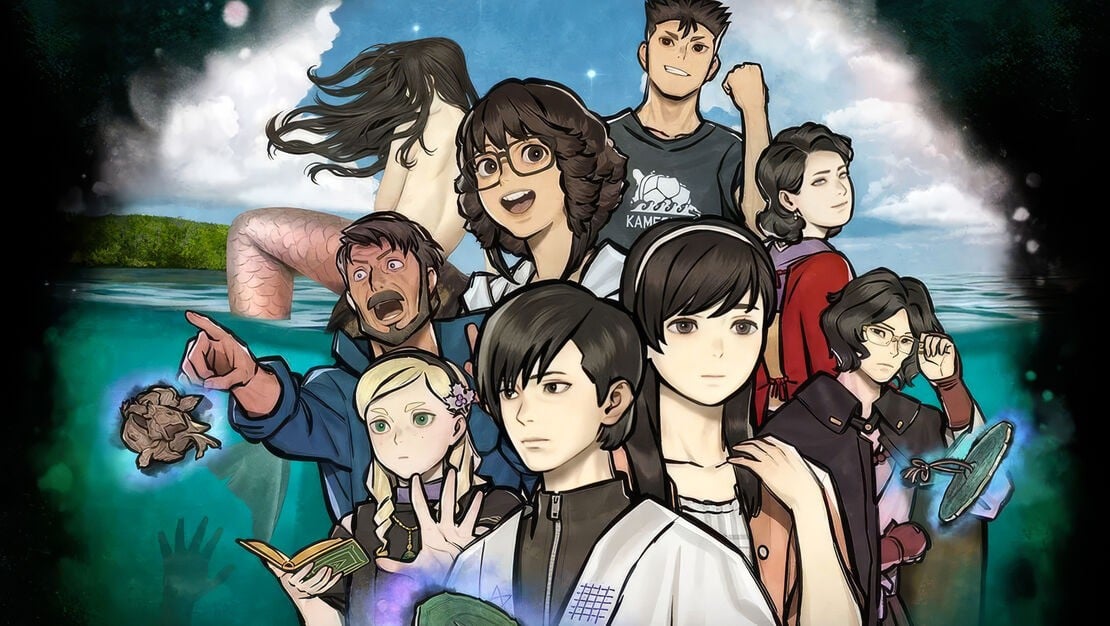
Square Enix is often eager to remind us it’s a multiformat publisher now.
The firm, perhaps feeling burned by the Sony exclusivity deals it signed off on, is courting Nintendo and Xbox fanbases hard with the Final Fantasy 7 Remake series. The third instalment will release on all platforms at once, presumably without PlayStation’s significant marketing spend.
That’s all well and good, but despite its vocal push into multiplatform territory, we’re still waiting for Bravely Default’s remaster, which launched as a Switch 2 exclusive, to arrive on PS5.
Subscribe to Push Square on YouTube172k
And this week it’ll publish visual novel sequel Panoramasight: The Mermaid’s Curse as a PC, Switch, and mobile exclusive. Like its predecessor, it doesn’t sound like there are any plans for a PS5 version.
In the publisher’s defence, we would concede that visual novels do generally feel at home on portable platforms.
But the PS Portal exists, and various other visual novels have found success on Sony’s system, so that feels like a cop out.
It’s a real shame because the game is attracting rave reviews, with the Metacritic score currently sitting at a very impressive 85 average.
Our friends at Nintendo Life were perhaps the coolest on the game overall, but they still liked it a lot, awarding it a 7/10.
Reviewer Ollie Reynolds wrote:
“Paranormasight: The Seven Mysteries of Honjo was one of the most delightful surprises for the Switch; a visual novel that broke the fourth wall in unique ways while telling a compelling story laced with horror. The sequel, Paranormasight: The Mermaid’s Curse, is more of the same, and that’s a good thing. If Square Enix wants to keep putting out new Paranormasight cases for the foreseeable future, that’s A-okay with me.”
To be fair, Square Enix has been porting some of its former Switch console exclusives over to the PS5 of late, like Triangle Strategy which finally arrived last year.
We haven’t completely written off hope of Panoramasight and its sequel coming to PlayStation, then – but if the publisher wants to keep shouting about its multiplatform approach, it may want to apply some consistency moving forwards.