 by
by 
What does "indie game" really mean these days?
Questions about this terminology have been circulating for years, but as the video game landscape evolves, they return every so often as people continue to wrestle with it.
Cut to The Game Awards 2025, where — among many others — Clair Obscur: Expedition 33 picked up the award for Best Independent Game.
This has caused a bit of a stir among enthusiasts online, and not about the fact it won, but about whether it's even an indie game in the first place. Some say it falls under "indie", while others say it categorically doesn't.
Subscribe to Push Square on YouTube172k
Merriam-Webster defines "indie" as "one that is independent", further specifying "an unaffiliated record or movie production company". Other definitions are similar, essentially describing a small production company not owned by a larger entity.
When indie games (as we know them today) first started to appear, they were as these definitions describe — titles developed and released by independent companies.
Due to smaller budgets, or no backing by big investors or publishers, these games were typically smaller in scope, quicker to make, and visually simpler — games made faster and cheaper than mainstream blockbusters from big companies.
The rise of digital storefronts further enabled indie teams to publish their work themselves on platforms like PS Store or Steam, and this led to an influx of diverse, interesting, experimental, weird games that enriched the gaming space.
It didn't take very long, however, for the definition of "indie game" to become somewhat muddled.
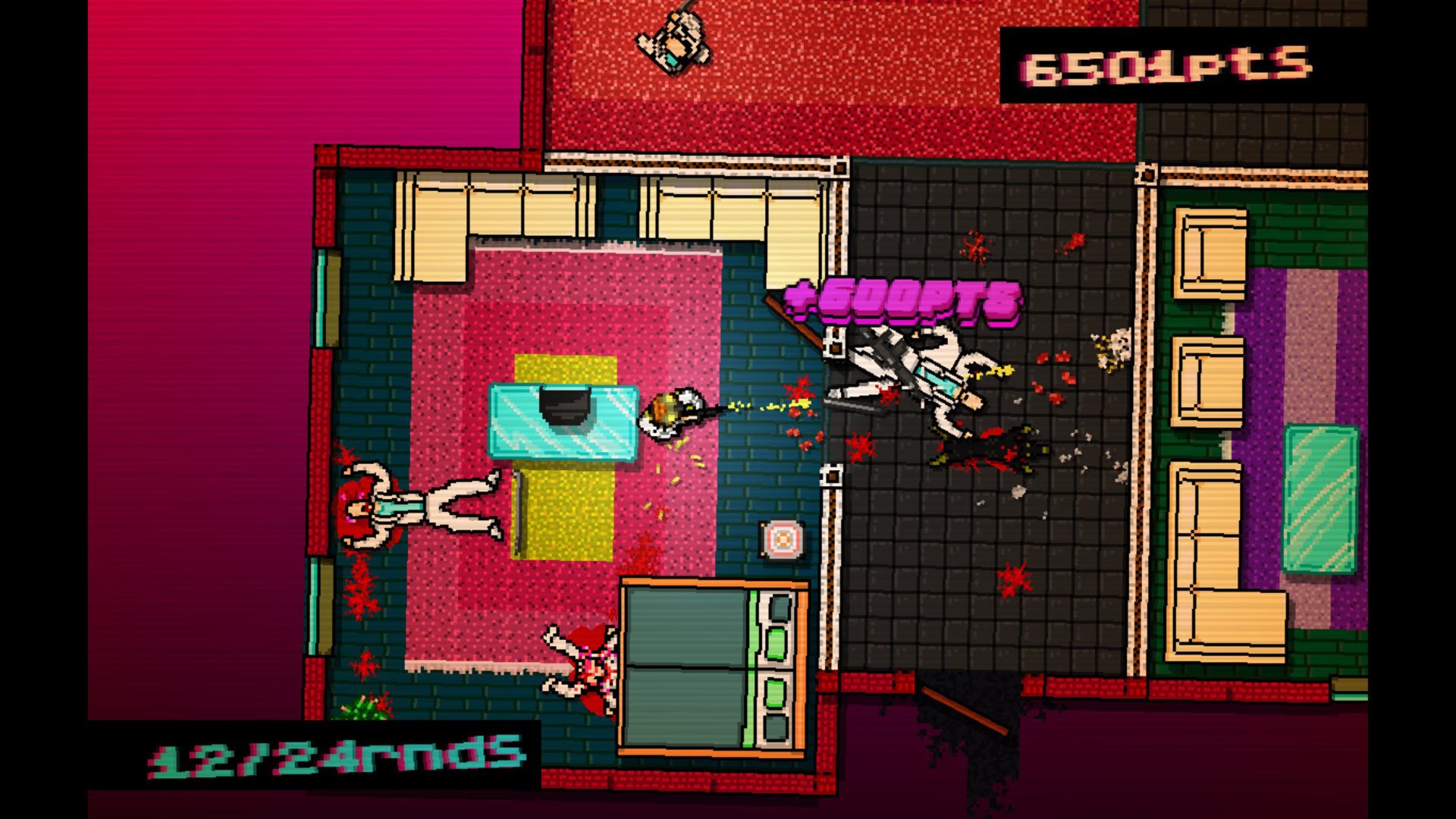
One early example of an indie game with publisher support is Hotline Miami, which was developed by Dennaton Games and published by Devolver Digital.
While the game was produced by a core team of just two people, one could argue that its status as an indie game was nullified by Devolver's involvement in the project.
Fast forward to now, and it's much the same argument regarding Expedition 33. Though much of the development was carried out at Sandfall Interactive — a French studio of roughly 30 people — it was published by Kepler Interactive.
Kepler Interactive was initially set up by seven independent studios all pooling their resources together, but in addition to publishing games from their own teams, the company has published several external games under its name, including Pacific Drive, Tchia, and the upcoming Ontos.
Expedition 33's categorisation as an indie game has been the subject of some debate, then, but it's not just about publishing partnerships — it's also about budget.
The game apparently cost less than $10 million to make, which is impressive when you consider the scope of the RPG versus projects from triple-A studios costing at least 10 times that.
However, some argue that a budget of millions is highly unusual for projects deemed indie, with suggestions the game is at the double-A level instead.
From our perspective, the term "indie" has become less and less useful over time. The definition has been growing looser as the space matures; we now have many "indie" publishers, like Devolver, Annapurna Interactive, Finji, and more all backing smaller titles.
In The Game Awards' Best Independent Game category, only two were self-published: Hades 2 and Hollow Knight: Silksong.
It says to us that there's something less cut-and-dry about exactly how an indie game is defined. It's a cultural, spiritual thing as much as anything else, perhaps more so.
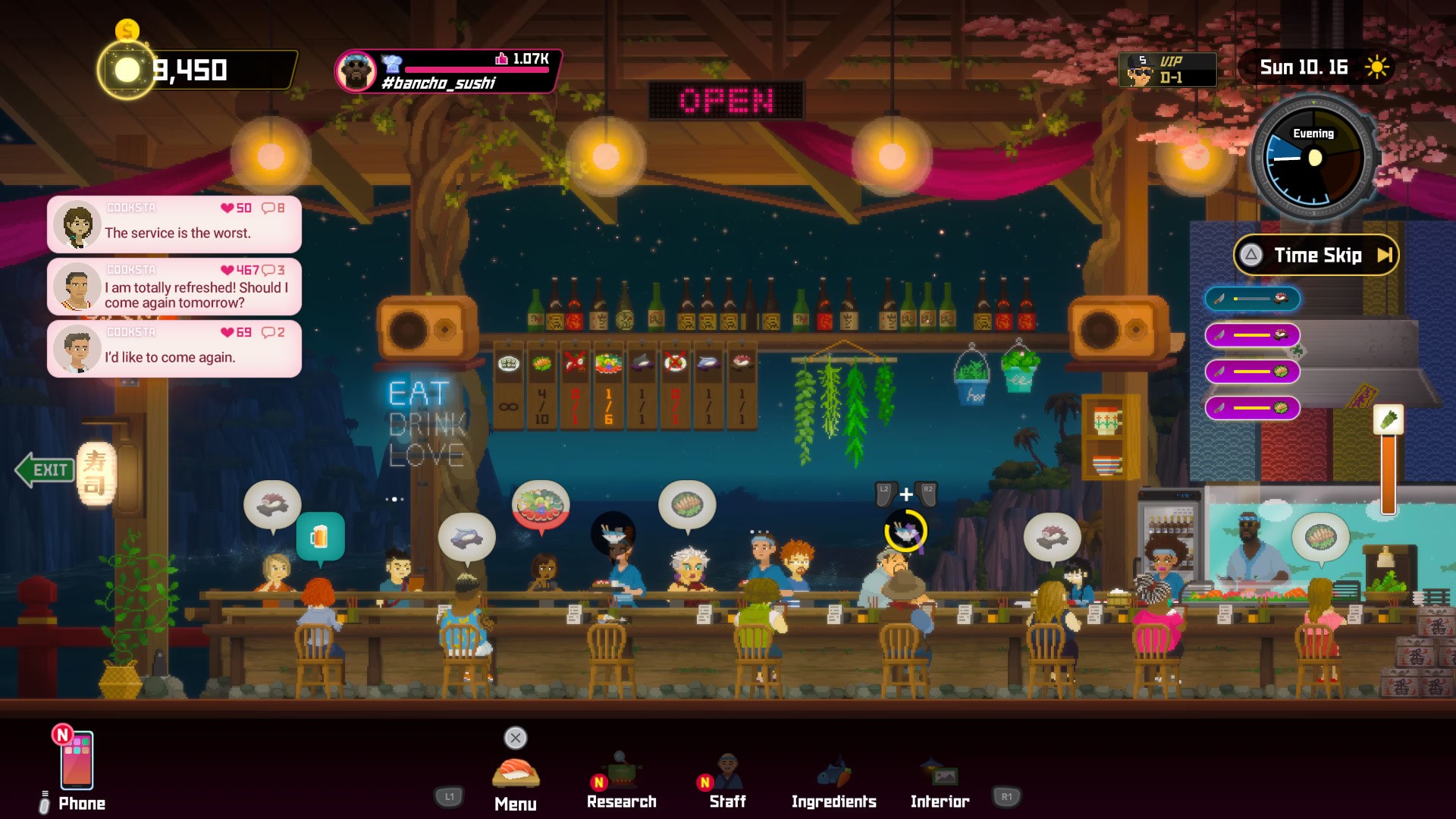
Dave the Diver springs to mind as an example of what we mean.
The game was developed and published by Mintrocket, which is a subsidiary of South Korean company Nexon.
As the game gained traction, it was being labelled an indie title almost entirely due to its presentation. With a pixel art style, fun sense of humour, and imaginative gameplay features, most immediately filed it away as an independent game.
It was even nominated for Best Independent Game at The Game Awards in 2023.
However, Mintrocket's affiliation with Nexon was less commonly known, and the team itself has publicly said it doesn't consider itself or the game indie.
The big indie debate is unlikely to come to a meaningful conclusion anytime soon, as it seems that what defines them is so messy that it's far too complicated to truly untangle.
But we want to know what you think. Should Clair Obscur: Expedition 33 have been eligible for indie game categories at The Game Awards? What does "indie" mean to you, these days? Discuss in the comments section below.
Do you consider Clair Obscur: Expedition 33 to be an indie game? (882 votes)
- Yes
- No
- I'm not sure
What's the most important factor that helps you define whether a game is indie? (812 votes)
- Self-publishing
- Low budget
- Small team
- Aesthetic/vibe
- Other


Comments 100
I don’t know, but after months of not playing this game and ignoring the hype, I finally got it a couple nights ago and I’m blown away by how incredible it is. It’s not just a game, it’s an experience.
I'd say Indie is a combination of Low Budget, Small Team and Self Publishing. So with that said to me Expedition 33 is not an indie.
Let's apply this to the music industry.
If some aspiring rapper records an album using their own money for production, studio time, mixing etc but then get signed to Jay Z's Roc Nation and they help publish, advertise and distribute said artist's album...no I don't think that artist is independent.
Yes they created the art with their own time, money, and resources but the second a big studio is helping them out I think they no longer qualify as an independent artist.
Same with gaming or any other meduim, in my opinion.
By not having a multi million $ budget
Small time and definitely not something like Dave the diver 👀
Expedition 33 feels less like a traditional indie and more like a AA independent game. Independent studio but with publisher backing and a mid-sized budget.
To me calling it indie isn’t wrong under modern definitions, but it does blur the line for smaller self-funded devs.
Small dev team.
Small team, small budget... and it depends on when a publisher gets involved and who the publisher is and how they contribute.
E33 is an indie, but it is also AA.
Sweet FA, as a short but sweet answer to the question in the headline
I think not having a publishing partner is key, but it's not the whole story. For the purpose of an award, I think being self-published is the first criteria, but a maximum game budget should also be a factor. Maybe a maximum of $1M, but I think you could make an argument for much less.
To me, the "Best Indie Game" category should be populated by games I largely haven't heard of. Isn't the point to raise awareness of lesser-known titles/devs?
Common sense prevails in the vote.
At some point in time I have to try this game. Maybe after I finally finish the game of the year-winner BG3.
Low budget and small team go hand in hand, because you can't increase the size of the team without increasing the budget. So that's a distinction without a difference.
But honestly, I don't care about the definition of Indie. If some small team inside one of the large corporations is allowed to build their own thing on a small budget, it may not be Indie because it's owned by a major studio, but it can still be functionally Indie if it's a small team and small budget building it.
I suppose arguing the difference between AAA and AA and sub-AA might be a bit better, but even that is just a rule of thumb. Who gets to define if you spent enough money to become AA or AAA, and how do you adjust that over time for inflation?
Don't sweat the arbitrary definitions - just enjoy good games, no matter who makes them.
While indie should literally mean "independently funded," few publicized games are even that. So, to me, indie is just a vibe. I wouldn't call E33 indie, because it doesn't feel indie. Indie implies small budget, small team, and likely a counter-fidelity aesthetic. E33 certainly had a bigger budget than most indie games, despite its small team utilized a lot of outsourced work, and looks more AA than anything. So I wouldn't call it indie. But I also don't think the indie label is this sacred thing that can't be co-opted.
It's kinda like how Hollywood realized there was a craving for lower budgeted, experimental movies from young, unproved crews, and all the major studios started launching 'indie' side studios. None of those movies should really be considered 'indie,' but they were going for that vibe and pretty successfully replicated it. And, to me, that's fine. I don't think it takes away from legitimately independent arts. It just means major players can actually produce interesting stuff instead of always following proven market trends.
It is a shame that Expedition 33 was ever even nominated in this category, especially considering the number of nods that it got overall. It took a space (and a win) from other truly independent games that could have used the recognition and spotlight. Remember how Balatro’s sales exploded after it won best indie game?
Call them what you will, indies, AA, AAA, short, long, in the bag by the door etc.
If the game is good and to my taste, I'm gonna play it regardless of who published it (devs or separate company) or of how many members the dev team has.
Call me ignorant, I don't care, gaming time is at a premium and only growing shorter with each passing year, juggling family, work, and the rest of the daily life chores - I'd rather play the game than label it
Combination of BOTH self publishing and low budget. For those who claim E33 has a publisher, where were they when Sifu (also Kepler) was nominated? Kepler isn't a typical publisher. Really a co-op of indie devs than anything else.
@RobN Wonderful point about arguing the threshold of AAA vs. AA. What a lot of people miss in these discussions are how arbitrary all these labels can be. There is no exact budgetary or resource-intensive point something becomes AAA. I'd argue likewise the same for AA, A (if anyone still uses that), and indie. I'll always just say they are all vibes, not specific categories.
One can argue indie specifically needs to be independent of a publisher. Which is fair, but also still kinda meaningless. Like, Baldur's Gate 3 was indie, in that sense. Despite having a bigger budget than what most would consider indie and the backing of one of the biggest IPs in the world. And a lot of outwardly appearing indie titles do have some publisher, or at least publishing assistance. Even Stardew Valley, a game effectively made by one guy, got some 3rd-party funding at the tail end of its development, and has had a dedicated team work on its ports. So, to stand by such an absolutists definition would be to say BG3 is indie while Stardew Valley isn't, which just feels wrong — it doesn't fit the vibes.
Im more interested in what does “RPG” mean to VGA.
This is like the Elden Ring DLC controversy of last year.
TGA is wrong on both counts.
Balatro is an Indie. 33 is very obviously not.
My standard is that if a game can't be replicated by a small group of 20 people with low budget and reasonable time, then that game is not an indie.
@Tobimune I agree with much of your post... but Kepler Interactive ISN'T the equivalent of Jay Z's massive record label, they are a small publisher (formed from the partnership of 7 independent game developers) specifically formed to help their own, and other independent studios publish their games without a major publisher.
Either way I don't really care about how it's labelled, it's just semantics that doesn't change the game. But I do think The Game Awards (and other awards) need to make a line in the sand about how to classify indie games. But this isn't easy.
How would you all define Indie games for an awards?
E.g. Almost every "indie" game at TGAs (except Hades 2 I think) was part funded by some bigger corporation / entity whether that's Venture Capitalists, major publishers, state funding, Microsoft or Sony through Game Pass PS+, etc.
If you limit it by budget Silksong probably wins (except Game Pass money?). If you limit it by staff Silksong probably wins, if you limit it by self publishing Silksong or Hades 2 probably wins. It doesn't change all much imo!
It doesn't bother me personally. In the example of Dave the Diver, that shouldn't have been nominated because the team itself is not independent. Case closed.
With E33 that simply isn't the case though. Sandfall isn't owned by anyone. They are independent so it qualifies to me. Is it a bigger budget than most indies tend to be? Absolutely. Is it kind of crazy to think this means a big studio like a Larian could technically be called independent as well? Yeah it is.
However, the award isn't called "The best game from an independent studio that has a small team and a small budget and sought no outside help to accomplish its development". Maybe changes need to be made to the criteria of the award itself (spoiler: yes improvements could be made) but that isn't Sandfall's fault. They won the award as its presented fair and square.
Indie for me means it has to be self-published and the devs only publish their own internally developed games and not other studios.
@Korgon I understand what you're saying, but disagree. The award was "Best Independent Game," not "Best Independent Developer." The game was published through a third party publisher, so the game is not independent, even if the studio is.
In my own mind, I look at how many devs are a part of the core team. Sure E33 had a lot of contractors and part-time workers working on the game but they still had a core team of around 30 or so devs. Same with Team Cherry, they have a core team of 3 but they obviously had some outside help as well.
When it comes to budget, Kickstarter games that generate millions of dollars during their campaign are still indie games.
I don't know if I like the idea of taking away a game's indie status just cause they have a publisher, cause that would discredit every game that Devolver Digital publishes for.
Just my two cents on the matter.
It's a tricky one. On the other hand, indies should be independent (it's in the name) so they should fund and publish their games themselves. But then that would make all of the Devolver Digital games etc not indies while generally people consider them to be indies.
Anyway, Expedition 33 definitely is not indie, no matter what definition you use.
Indie games certainly are not funded out the wazoo by external parties.
@wildcat_kickz
Fair enough. I'd still personally say it qualifies because I don't see a publishing partner as a partner in development as much as just a budgetary partner. Similar to how Kickstarter works.
I'd consider any of the many games made through Kickstarter to be independent even though one could technically argue that the backers of the project in that case almost acts in a similar fashion to a publishing partner. The development of the game is 'dependent' on the money coming from backers just like E33 depended on the money coming from Kepler.
It's all semantics though at the end of the day. It really just kind of depends on how people interpret different factors that determine where people sit on the topic.
In theory, self produced and/or self published.
If both, good, if not also good.
My only gripe is with indies made with government grants. These shouldn't belong anywhere other than the trashbin.
@Korgon I think that's fair as well, but while I think we can all be wishy-washy with definitions in normal conversation, there should be strict rules when it pertains to an award category. Having nebulous criteria for an award just makes it easier to abuse.
I'm on the fence. I usually define indie games as those without a big publisher, so a small publisher, like Limited Run Games, wouldn't disqualify it, but a huge one like EA or Activision would. I wouldn't call Kelper big enough to be with likes of EA, but it feels like a little too big to be "indie." So I don't really know if I'd call it indie or not, but I'm leaning towards no.
When it comes to awards for best "indie" game it should be games that are self published. Because they self financed everything so you can't get more independent than that.
I’m not even sure what “Indy” is. But when I look at E33, I know what “Indy” isn’t. And it isn’t E33. At this point I just chalk it up to a lesser known studio that hasn’t previously released a game that’s divided the gaming community.
It all depends on the definition as defined by the entity giving out the award. As long as they follow their guidelines, I don't see the problem. If they want the award to be taken seriously, it should be narrowly defined and not vague.
I'm very surprised that neither this article, nor any of the comments I've read so far have addressed the fact that Sandfall (the developers) outsourced over 200 developers to help make this game. To me, THAT is the deciding factor in making this game not indie. Clair Obscur was definitively developed by at least 230 developers in total, whereas the other actual indie games nominated this year had teams of 50 at most.
There's also the fact that, although I believe an indie game can be published by a different company and still be indie (like Balatro), Kepler Interactive simply isn't one of the smaller publishers: they announced 4 brand new games during The Game Awards. That tells you all you need to know.
According to this game: being indie means coming from a wealthy family, leaving a high ranking position at one of the biggest publishers in the world to make a game funded by the French government and largely put together by an outsourced team that got no credit.
But it's turn based. So indie I guess.
@DreadfulDragon I'd say there's an argument to be made that Valve could have qualified as indie up through the initial release of Half-Life 2, but they absolutely have not been at all "indie" for the past 20 years.
For me, it’s more about whether you have the support and power of a big publisher behind you. Now, this doesn’t necessarily mean that no big publisher has a hand in supporting you to any degree, as if a publisher gives you a tiny tiny budget, 3 members of staff, and no marketing at all, for a passion project, this isn’t fundamentally different to a small team getting a small amount of seed money and being truly independent of a publisher.
For a consumer, the game that is possible under these conditions is what makes something “an indie game” as far as I’m concerned.
Clair obscur expedition 33 is like a aaa indie game the graphics looks amazing you wouldn't know it's one.but I enjoy indie games.both aa and aaa are good also.word up son
I don’t see why using a publisher should disqualify for being an indie game. In my understanding, publishers are especially useful for small developers:
Handling the whole struggle with platform holders, age ratings (in case of physical releases), physical releases, music studios and orchestras, voice acting, motion capture studios, localisations and translations (-> poor Chinese translation for Silksong), trailers, advertisements on the Geoff‘s, …
There is a reason why independent authors („indies“ by definition) still need publishers BESIDES the need for printing and selling the books.
@wildcat_kickz
100% agree there. There are definitely some categories that could use some updates. I honestly can't stand the "Games for Impact" award. I have no idea what that means. 😅
Self publishing is the thing that should make it an Indie but at the same time its quite that simple nowadays. Personally i wouldn't have picked E33 for best indie because of the fact it had a publisher.
Tricky but ultimately while the developer is an independent studio, the game they made was published by a publisher so it’s not an indie game.
Yes, it's indie.
On the technical definition, Sandfall is still a free agent. Kepler published the game, but Sandfall is "an unaffiliated [game development] company" - it's not owned by Kepler.
These days, I think "indie" in the wider gaming discourse means "this game was made by people who were free from publisher interference in their creative decisions". So a game with a publisher can still be "indie" if the key decisions were made by the dev team, rather than their publisher. Maybe that's more of a vibe thing, and of course there will still be devs that appreciate and need advice from a publisher on some aspect of the game.
Maybe it's more of a negative definition: "a game that would never be made by a team that is owned by a large publisher".
I don't think it's "indie", but it's clearly miles away from big budget. The areas of the game, while pretty to look at, are empty bar the usual collectibles and combat encounters.
Looks like a PS1 game with much shinier graphics.
To me it is just about budget size. If it has a small budget or small budget vibe then I consider it an indie game.
I am not bothered by other people's definition differing or a silly award show result. I wont ever be the guy complaining about how someone else defines them. I will also keep using my definition of indie regardless.
I love Clair but I'm sorry it didn't deserve RPG, Narrative(both shoulda gone to KCD2) and Indie shoulda gone to Silksong or Hades 2 or something.
Why would I care if it's self-published? Should they have to manufacture the game discs themselves too? What matters is the development of the game.
@TheArt Its a better RPG then KCD2 by far everything in this game screams triple A at a small budget. They used their money smart didnt need a massive map its a classic RPG setup with polish and new mechanics. They did what others didnt making a fun game with a small budget.
Self-published games are indies. Clair Obscur is a AA. Its simple.
Like Dave the Diver before it, I wouldn’t qualify it as an indie and the award should’ve gone to Silksong or Hades, and more authentic indies should’ve been nominated. After all, the award should exist to give lesser known games exposure. The E33 victory lap did a disservice to gaming as a whole this year by cheapening the value of other games for the sake of praising a game that had the fortune of releasing in a year that didn’t have a TLOU 2 or Elden Ring, etc to compete against.
There's no clear-cut definition, which makes it such a difficult discussion. Instinctively, my feeling is that Clair Obscur is clearly a double A game and should never have been eligible in the indie categories. But it's hard to qualify that opinion.
Should a game be self-published to be considered indie? Technically, yes, but that would rule out games like Outer Wilds, What Remains of Edith Finch, Cult of the Lamb, Dredge and so many more. These all embody the indie spirit but would not qualify on this condition, which feels wrong. So I would change this condition to either self-published or published by a small, typical indie publisher. On that basis, it doesn't rule out Clair Obscur.
Should a game's budget and team size be limited to be considered indie? I think we can all agree the answer is a resounding yes here, or we'd have games like Baldur's Gate 3 and Cyberpunk qualifying as indie. But in that case, how limited? This is where it gets muddled again. In my opinion, having a team of around 30 full time studio employees and a budget closer to $10M than $5M is just too much. Then again, Disco Elysium reportedly had around 35 working on it full time, and Hades 2 around 25.
Which brings me to the vaguest condition of all: the aesthetic and vibe of the game. I personally like to use this "rule" to separate edge cases. Disco Elysium and Hades 2 look and feel like indie games. Clair Obscur does not. Good luck using that as an argument in a discussion though.
@Flaming_Kaiser 😆 80% of the time when people talk like this it means they haven't played KCD2 or had the patience to progress to a quarter of the game 😆. I fackn love Clairrr Obscurrr no lie, I was done in 111hrs trying to explore everywhere. KCD2 however, I'm still playing and yet to beat it, in terms of depth...I dunno where to start from. Nothing like sitting down in your room, reading books and increasing stats in various skills. Nothing like dressing like a nobleman and people believing any BS you tell them. It's just too much, you need to play it bro.
Indie means self-published.
Always has and always will.
Clair Obscur: Expedition 33 is 100% NOT an indie game.
Do you have no overarching entity and are therefore totally in control of your decisions? If you said yes to both of these then you are independent.
E33 is definitely not an indie game when it has 300-400 people working on it and got financial + marketing support from French govs and other big sponsors.
I think the problematic part is Indie does not MEAN anything unless it in context.
If you know games you know the credits for Triple-A games run to the thousands. So, 30 people working on a game might STILL be indie. But, so would a game made by 15 people, or a game made by three people. What if a game made by 30 people has a 1 million dollar budget, but a team of 15 people (half the staff) has a 5 million dollar buget? How do you assess that, or should you?
What is small budget? What is small team? What is Indie? What is Triple-A vs anything else...Single-B or Indie, or basement project by one coder? Are you Indie if you use Unreal Engine? Are you Indie only if you code your own development software? Are you indie if you use purchased assets?
Not an indie game, a AA-game. An excellent game, but should not have won that award.
i get peoples point , but unless its a major studio backing a game , its an indie game.
Still seeing some people crying about Expedition winning all the prizes, only because we know who did not win anything this year.
@Korgon (#30) Your points here lean into my personal issues with it being nominated as an indie title, personally.
If it were nothing more than a budgetary partnership, if Kepler had only provided Sandfall with money and resources to make the most out if their team... yeah, honestly, I think I would consider it indie, if tentatively. There'd be financial help there, but no direct publisher involvement beyond the usual standard of these partnerships.
My issues with the 'indie' classification with E33 is that the assistance went far beyond budgetary. Kepler helped them with finances and marketing as you'd generally expect from a indie-publisher partnership. The industry connections for high-profile VA talent bring it close to the edge. But what undoubtedly pushes it over for me is the amount of support studios that Kepler drafted in to help with the project. Money is money, but Kepler went beyond that and applied considerable influence and manpower from their own reserves. A small team at Sandfall itself, supplemented by hundreds of additional, publisher-drafted development staff over the course of the project after they took on the role as publisher.
That is hands-down the biggest sticking point for me in why I accept Sandfall as an indie studio, but simply can't consider E33 to be an indie game - because, from my perspective, it was by no means an independent project by the time it had concluded development.
What do people think "big game publishers" do for a game?
They don't (necessarily) help with development - someone can shop a finished game around to publishers to find a willing partner. Why does it matter who they partner with?
If it doesn't have a physical release, then the publisher is just helping the developer navigate the stores (PSN, Microsoft, Steam, etc), and maybe offering some advertising assistance. In that case, does it matter if the publisher is someone small or someone huge, if the game was made by someone in their garage on the weekends? Does a game suddenly become not-Indie if the developer gets help getting the game in stores and publicized by someone like EA instead of someone like Team17 (or is Team17 too big - or bought out by someone too big - too)?
In the end, "Indie" is an arbitrary label that doesn't mean the same thing to everyone who hears it. Presumably The Game Awards sets some definition for it when it picks candidates for the category, and whatever criteria they use is correct for their award - if you want a different criteria, create your own award and apply your own criteria.
What difference does it make? The game is good or it's not, right?
This reminds me when somehow Sifu got nominated as best fighting game back in TGA 2022. It's like Geoff and his friends try to change the definition of fighting game and now they try to change the definition of indie game :/
Thankfully their attempt for fighting game has failed cause a lot of people including me would be furious if they nominated E33 as best fighting game, which i bet E33 would win too lol, just because it has parry mechanic 🙄
@crossbit
That's all fair. I can see the other side's point of view for sure. I think it just all comes down to where everyone draws the line between indie and AA or AAA. To myself, I just consider E33 to be a really big budget independent game. Nothing more and nothing less.
If it looks like a big budget game with great graphics, I usually don't consider it Indie, but that is just me
@Ainu20 your answer is the closest to summing up my own feelings here. Self publishing should not matter as long as the publisher is not a mega publisher. If I recall correctly Valhiem was made by four people and published by a tiny publisher. That' game was pure indie despite not being self published.
As for budget and team size it's all about scale, 10m is a big budget compared to games like vampire survivors, but a tiny budget compared to bigger games. It feels wrong to gauge it by budget because more ambitious design will always cost more. Which also ties in to the vibe factor, where I think the real truth lies for a lot of people. Its budget graphics or pixel styling that people equate as indie in their mind.
My God these comments an indie is independent game developers it does not matter the size or there budget for christ sake silksong had a higher budget since the 3 people who made the original have a combined wealth of nearly a 100 million dollars
@Oram77 than silksong can't be considered an indie either
indies are like the tiktok of gaming. some blowup and some are just a$$. Regardless mad respect to the people who make them. (b ' ' )b
@Fishysensei Wrong
It’s not an indie game and should not have won this award. It took away the opportunity for an actual indie game getting some recognition. But TGA were clearly pushing E33 as some revolutionary game worthy of all the awards (even the categories it didn’t fall into). I think TLoU S2 winning best adaptation should tell you all you need to know about their judgement and sincerity because TLoU S2 is generally considered to be an atrocious adaptation.
In my head indie means relatively small budget, small team releasing a game priced no more than £30
For me, low budget or team under 20 people. Self publish is done by to many big companies and the vibe covers to much.
@UltimateOtaku91
Expedition 33 apparently had a development budget of around $10 million, which is a fraction of what modern AAA games cost.
The core team at Sandfall was around 30 people, plus 8 Korean gameplay animators, dozens of people on localisation, QA, and voice production work, and then there are the 30-plus musicians that worked on the soundtrack. So probably around 100 people which is less than the 600 - 2000 people projects you find at PlayStation, Ubisoft, Microsoft, EA.
Kepler Interactive published Expedition 33. Other games which they published are Tchia, Sifu, Pacific Drive, Scorn, Ultros. Some of those games are considered "indie". It's similar to Annapurna Interactive which usually also publishes "indie" games, where the developers might not have the means to self-publish.
@TrollOfWar I'd say it's more of a AA title than AAA or Indie, 10 million is still a lot of money compared to the majority of indie titles. Also just Google searched it and over 400 people worked on the game across many different studios, that doesn't scream indie to me.
@Drago201 You're mistaking wealth for budget. Unless you mean to argue Team Cherry somehow allocated and spent $100M while making it, that was not its budget. The actual costs of development will have been higher than Hollow Knight, but not several orders of magnitude greater.
At the end of the day, the game is still 2D hand drawn by the same artist as the original, has a soundtrack made by the same composer and was developed by the same people using the experience and tools of the first game.
@Ainu20 the difference being team cherry had the money regardless of what they actually spent sandfall had 10 million cuz that's how much they raised yet one wants to be counted as indie and the other not
@Drago201 Sure, that's a difference, but not a relevant one in this case. The actual cost of the project and the team size are far more relevant.
to me its what it has always been independent studio yes that means hades and e33 are not indies but cyberpunk and Witcher are
@Oram77 hades and silksong are not indies then
@Toot1st cool, now compare them to megabonk, Schedule1 and Ball x Pit
Edit: Also Team Cherry and Supergiant used the earnings they made from their previous game to fund development on the current ones.
Would anyone have cared if E33 had not been nominated in this category?
As a few people have said, I think it's unfair that there are games out there that didn't get nominated as their spot was taken by this relative juggernaut. The majority of games I play are indie and they don't get the recognition they deserve.
Small Team is the biggest factor for me. If you focus on self publishing not even Balatro would be called Indie and that is ridiculous.
But Small Team and relatively Low Cost Development are what I would focus on the most.
@Fishysensei exactly somewhere along the way people started confusing that with game budgets.
@BlaizeV who decides what team size or budget qualifies though? what if the budget and team size isnt known? being independent was simple its something everyone knew
Indy means whips, hats, monkey brains, big boulders and museums!
I would place E33 as an AA game due to:
Large amounts of Funding from 3rd parties (French government grant, Kepler Interactive and Microsoft)
Lead devs who are experienced in AAA games (Ubisoft)
Having a small - medium-sized publisher (Kepler Interactive)
A budget of over $1 million (estimated $10 million) and not self/crowdfunded
A team of over 20 staff (32 plus dog core staff and 300+ external devs)
Having Industry-leading and Hollywood Voice actors (Jen English, Ben Starr, Charlie Cox)
Also, KCD2 is an objectively better RPG because it actually has RPG mechanics. E33 is a turn-based action adventure with gameplay and design elements inspired by Japanese developers with a very French twist. I find it hilarious when I see people call it a JRPG because it has turn-based action combat lol.
@Darylb88
It might not be a JRPG by definition, but in everything but its country of origin it's essentially a textbook JRPG. It was clearly made to appeal to a very similar audience as games like, say, Lost Odyssey and Final Fantasy X.
I mean the definition is right there. Sandfall isn't a subsidiary to any major publisher so it's an independent studio.
We don't live in a world where everyone gets to invent their own definition of a word like it's the goddamn tower of Babel. Or maybe we do at this point lol
Budget and outside funding isn't a factor for whether a studio is independent, just publishing. And Kepler isn't a major publisher in the industry.
And if you think self-publishing constitutes an indie game than nothing published under Devolver Digital is an indie game, which would be a ridiculous take to have.
Fate of Atlantis, Emperor's Tomb, The Great Circle, I'd say they're good examples of Indi games.
I personally just don't label a video game by anything more than it's genre. Being AAA or Indie means nothing to me. I should not know a game's budget, publication practices, dev time, team size... the most I want to be educated on is if the game is utilizing AI in nefarious ways.
If the game is good, I'm going to play it. The community/industry created labels put on them is 100% irrelevant.
@Kingy and its not.
People like yourself are moving the goal posts.
Indie means independent.
Meaning a true indie game is a game made and published by the same studio and has 0 connection to a publisher or company.
We shouldn't have to skirt around the meanings its pretty straight forward.
Anything from devolver digital is not an indie game. Its just a game just not a triple a game.
@Bez87 No goal posts over here, bud. I'm going off the definition of "Indie" as it is classified. You're the one adding qualifications based off your preferences.
If you want to use the literal definition of Independent then there's no such thing as an indie game.
Indie is not having to answer to share holders....PERIOD!
The problem is that once you reach a millionaire budget, other indies can’t compete. Even if we were to consider this as an indie, we then need to split indies by budget I guess.
Anything that's not ruddy Call of Duty or GTA.
Once we get to the stage a publisher, even a smaller one like Kepler Interactive, is putting in significant funds to help with the production and development of a game then can it really be considered indie?
If an outside party is helping with costs and then publishing it, even if the developer doesn't have a long term agreement with them for all of the games or is owned by them, then the game is no longer an independent production.
The actual amount of money is irrelevant as a large publisher can publish a smaller game from an outside developer and help fund it and because of the publisher involved people will no longer consider it an indie game despite the team working on it having no contractual ties to the publisher.
@Ainu20 I would not call it even a role-playing game, and a JRPG is a role game made in Japan. I agree that the turn-based combat inspired Sandfall, as this is something seen a lot in Japanese games.
I think some people get confused between turn-based combat and JRPGs. A JRPG can be an action role-playing game, a turn-based role-playing game, or any other kind of role-playing game made by Japanese developers. Most Japanese devs don't even like the term JRPG and just call it an RPG, as we would for Western RPGS.
@Darylb88 It's no less of a role playing game than the games I already mentioned, the likes of FFX or Lost Odyssey, or more action oriented JRPGs like the Ys and Tales series for that matter. In the strictest sense of the term, very few JRPGs have actual role playing. It's not just the turn-based combat that makes it so similar to JRPGs, but the world building, party structure, heavy narrative focus and generally linear structure before opening up at the end.
It is technically not a JRPG, but for all intents and purposes it might as well be one. There's a much greater chance this game appeals to fans of JRPGs than to fans of Baldur's Gate or Pillars of Eternity.
@TheArt Just came of Elden Ring god 900 hundred hours .😆
But i love the turn based stuff a lot and the style of the game is so cool. But in the end everyone has its own preferences.
@Ainu20 And the worldmap i love that finally back i think that saves so much money and to be honest a lot of RPG's with a open world are boring. I rather have the worldmap with more polish and extra cutscenes or content.
Show Comments
Leave A Comment
Hold on there, you need to login to post a comment...