 by
by 
Sony is scaling back its PC strategy, and I think it’s made the right call.
The platform holder has spent the past few years clumsily walking a tightrope between true PS5 exclusivity and the spoils of a growing Steam install base, but it’s never really found a way to satisfy both sides.
In my opinion, the experiment has negatively impacted the perceived value of the PlayStation brand, and by all accounts more recent ports like Marvel’s Spider-Man 2 have barely moved the needle on the balance sheet.
Subscribe to Push Square on YouTube170k
In fact, recent financial data showed the firm’s PC strategy represented just 1.5% of its overall revenue – an insignificant sum in the grand scheme of things.
Personally, I think the writing has been on the wall for some time already; while early ports like Horizon Zero Dawn and Days Gone did exceedingly well, it’s clear the interest has tailed off as the novelty has declined.

And all of this has come at the cost of its console ecosystem: there’s a growing sentiment that the PS5 has not lived up to expectations, with the lack of true exclusive titles often cited as a key contributing factor.
I don’t think Sony was wrong to test the waters, but I think it expected to tempt PC players back to its own brand by introducing them to tentpole titles like God of War and The Last of Us. If anything, it’s actually trained them to wait.
Anecdotally, I’ve seen several people suggest they were planning to purchase a Steam Machine or some other non-PlayStation system, with the expectation they’d eventually be able to play Sony’s games on it. That’s no longer the case.
Of course, it’s important to recap exactly what’s being reported here: live service games like Marathon are still on the agenda as they look to leverage the wider install base of the PC, as will partnered titles developed by non-owned studios, like Kojima Productions’ Death Stranding 2: On the Beach.
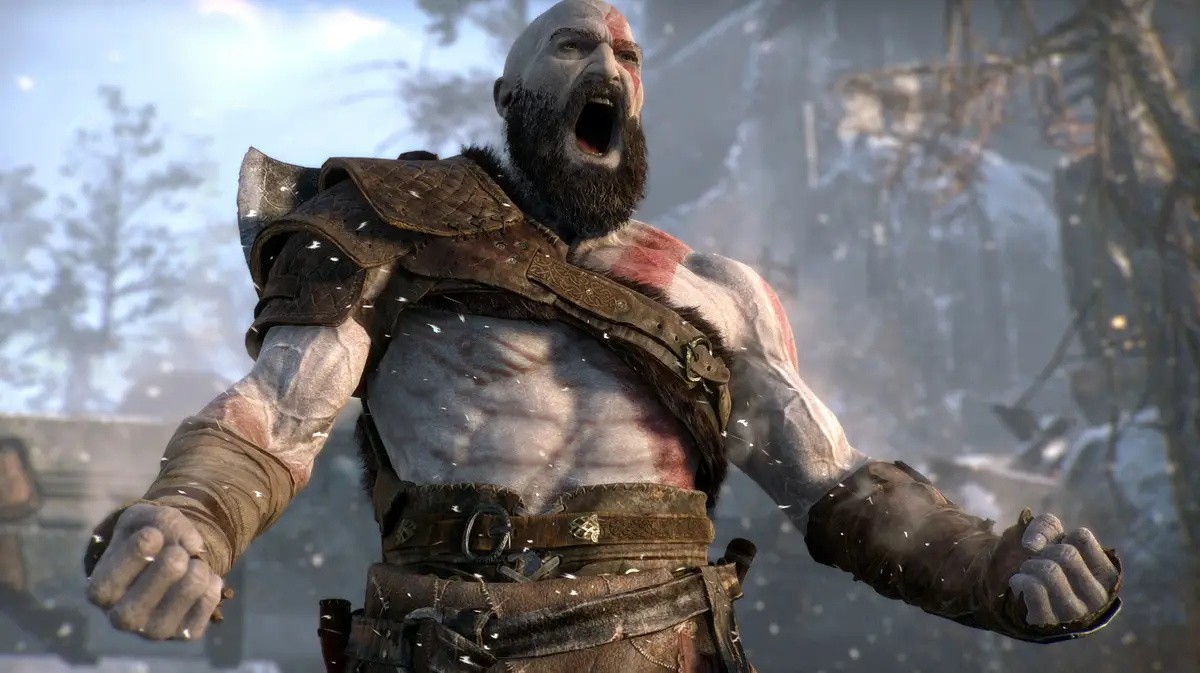
But those headline system sellers, like Ghost of Yotei and Saros, will remain exclusive to the PS5 – a reason to purchase the hardware itself.
It’s not a particularly difficult concept to grasp, because it’s the way things historically have always been. Outside of a short dalliance with smartphones, Nintendo has been steadfast in ensuring you can only play Mario and Zelda on its own selection of systems.
But Microsoft was the first to blur the lines between platforms, bringing its own first-party games to PC and later PlayStation.
However, while the upper-echelons of Redmond will tell you publicly that this was all about breaking down barriers and meeting players where they want to play, I think it’s always been reflective of a flagging hardware brand.

Xbox spent the best part of $100 billion buying multiple publishing powerhouses, and then proceeded to put all of their software into an unproven, loss-leading subscription service. It’s no real surprise that even a trillion dollar titan eventually had to break the emergency glass and go multiformat.
Sony doesn’t find itself in the same situation at all, though: it’s generating more revenue than it ever has, and almost all of that money is being accumulated within its own ecosystem. Stepping away from PC may have a negligible impact on the number of copies its first-party titles are able to sell, but it clearly has data suggesting the juice is simply not worth the squeeze.
I’ve seen a few people point to recent statements from Capcom, where it said almost 50% of its income is generated by PC, as evidence PlayStation is making a mistake here.
But that ignores the crucial context of the two different companies: Capcom is in the business of selling games, while Sony is in the business of selling systems.
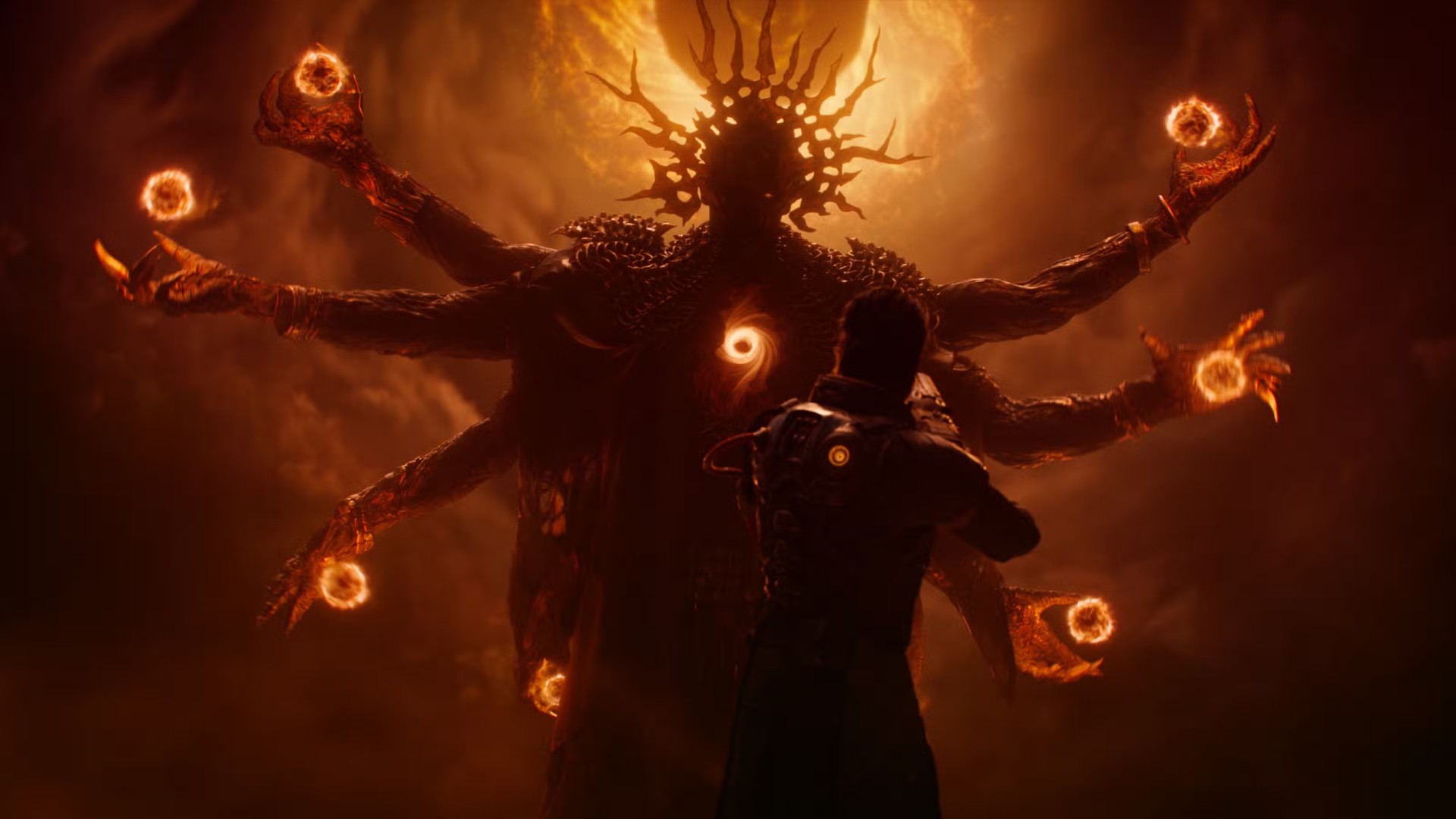
Console exclusives have a value beyond the raw revenue they generate: they’re one of the reasons people purchase a particular piece of hardware in the first place.
And each individual console sale is worth so much more to Sony; further software purchases, PS Plus subscriptions, and accessories all contribute enormously to the firm’s bottom line.
For too long PlayStation’s message has been muddled and confused, and I think it’s had a material impact on the value of its brand.
Now it looks like it’s poised to simplify its approach.
Want to play tentpole first-party software like Marvel’s Wolverine and Intergalactic: The Heretic Prophet? You’ll need a PS5.