 by
by 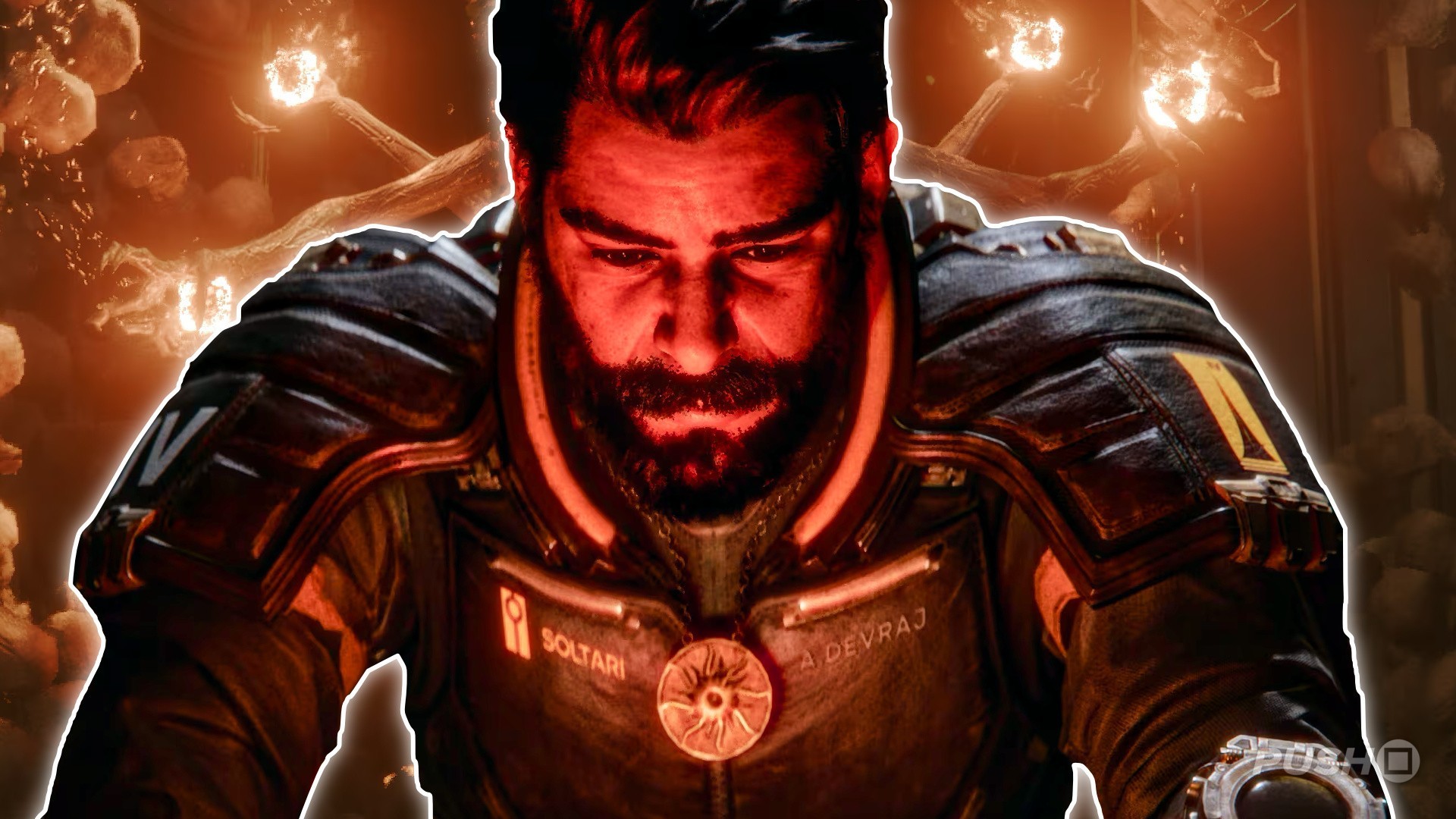
Saros is the latest game from Finnish developer Housemarque, a long-established team that's been making banger games for decades.
We really love this follow-up to Returnal — it builds on it in some really great ways that make getting to the brilliant action more accessible than ever.
On the verge of the game's launch, we spoke to creative director Gregory Louden and art director Simone Silvestri to learn more about Saros and the team's philosophies while making it.
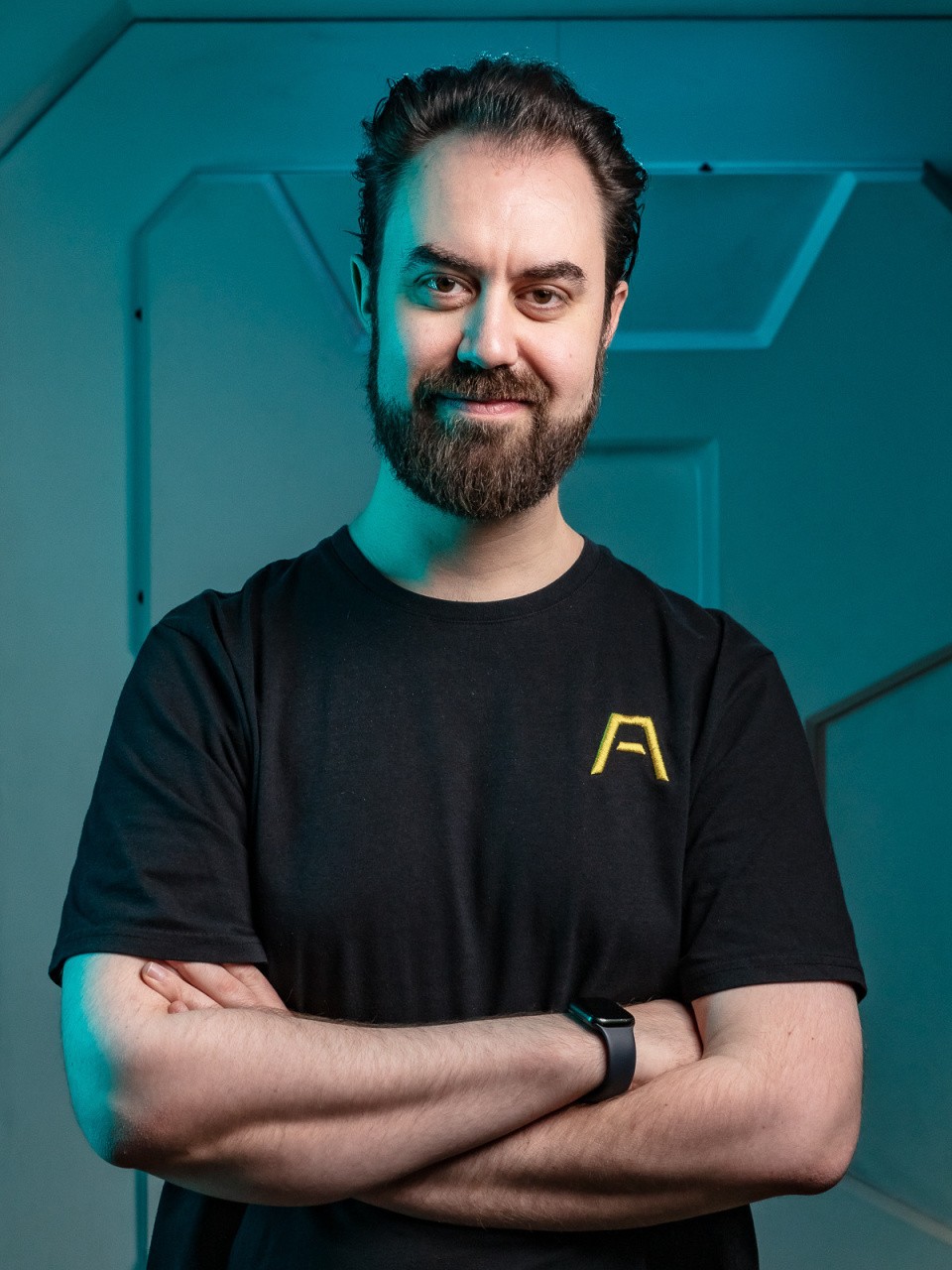
Push Square: Gregory, your background is in movies as well as games, focusing on technical effects and things like that. How has your work in film impacted your work on Saros?
Gregory Louden: I started as a programmer. I studied computer science and then after that I started working in 3D art, animation, and visual effects. After that, I was lucky enough to learn about level design, and then narrative design.
In short, I think it's made me quite well-rounded; I have experience in a lot of different areas of game development, and obviously from my experience in film and different ways of doing projects.
[Films are] quite different to games. It gave me the experience of understanding how all these different things are created. Now I'm working as a creative director, I try to share some of those learnings with the team.
The other thing that really taught me particularly going from film and feature animation was just about quality, and leadership, and the way you can kind of get results.
I'm super proud of all the projects I've worked on. When I reflect on everything I've been lucky enough to partake in, it's pretty wild. And with Saros, I'm super, super proud of the game and the team. I think it lives up to all the previous projects I've worked on.
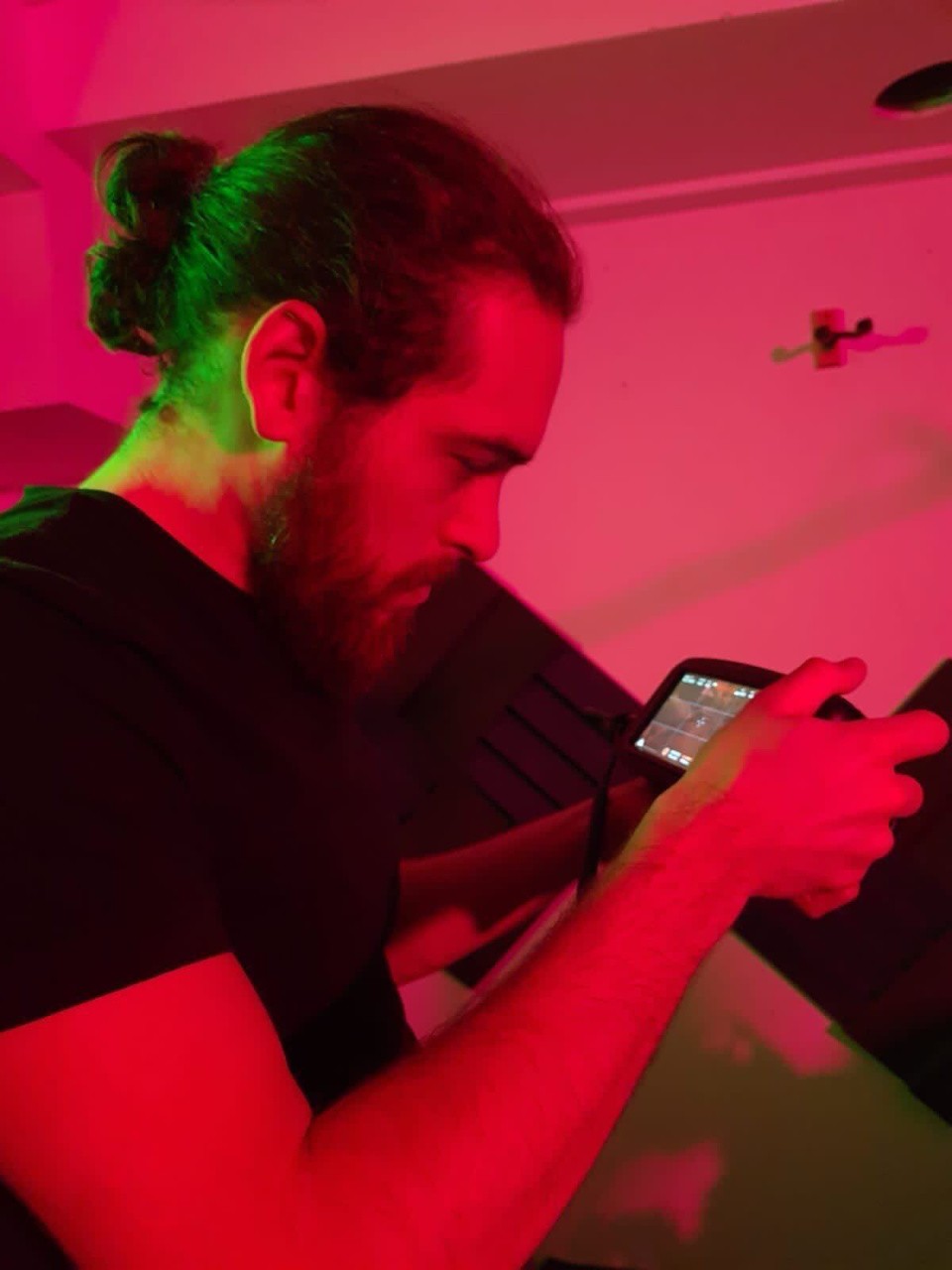
A similar question for you, Simone. Before Housemarque, you were teaching environment art for a few years, and I just wondered what teaching the subject taught you about the subject, and what you carried forward into Saros?
Simone Silvestri: I come from Rome in Italy. There isn't much of an industry there, so coming out of the indie scene of Rome into Remedy first and now Housemarque, I always wanted to give back to the Italian scene. Teaching was my method to do that.
I started teaching at the school where I went 15 years ago. It wasn't like a de facto school, but now it's way more organised. Being able to impact their curriculum and having these classes of students, which when I was there, were like seven [people] and now it's classes of 20, 25, 30. That was a really awesome experience.
I love teaching. It's such an interesting experience because, yeah, you're the one teaching, but you're also learning a lot just through what your students hook themselves to. It refines your thinking a lot.
The point I tried to make to all of them is: Don't look at environment art only as an expression of a space, but look at it as a container for the other disciplines to work in.
When you work as an environment artist you have to be extremely connected to level design, you have to understand the narrative of the game, because you have to express that within the space, in the identity that you give it, in the compositions that you make, in the shape language that you choose.
The biggest thing I tried to teach them is you have to tell a story. It's not just making a very realistic place. You have to tell a story. I need to see this and have questions.
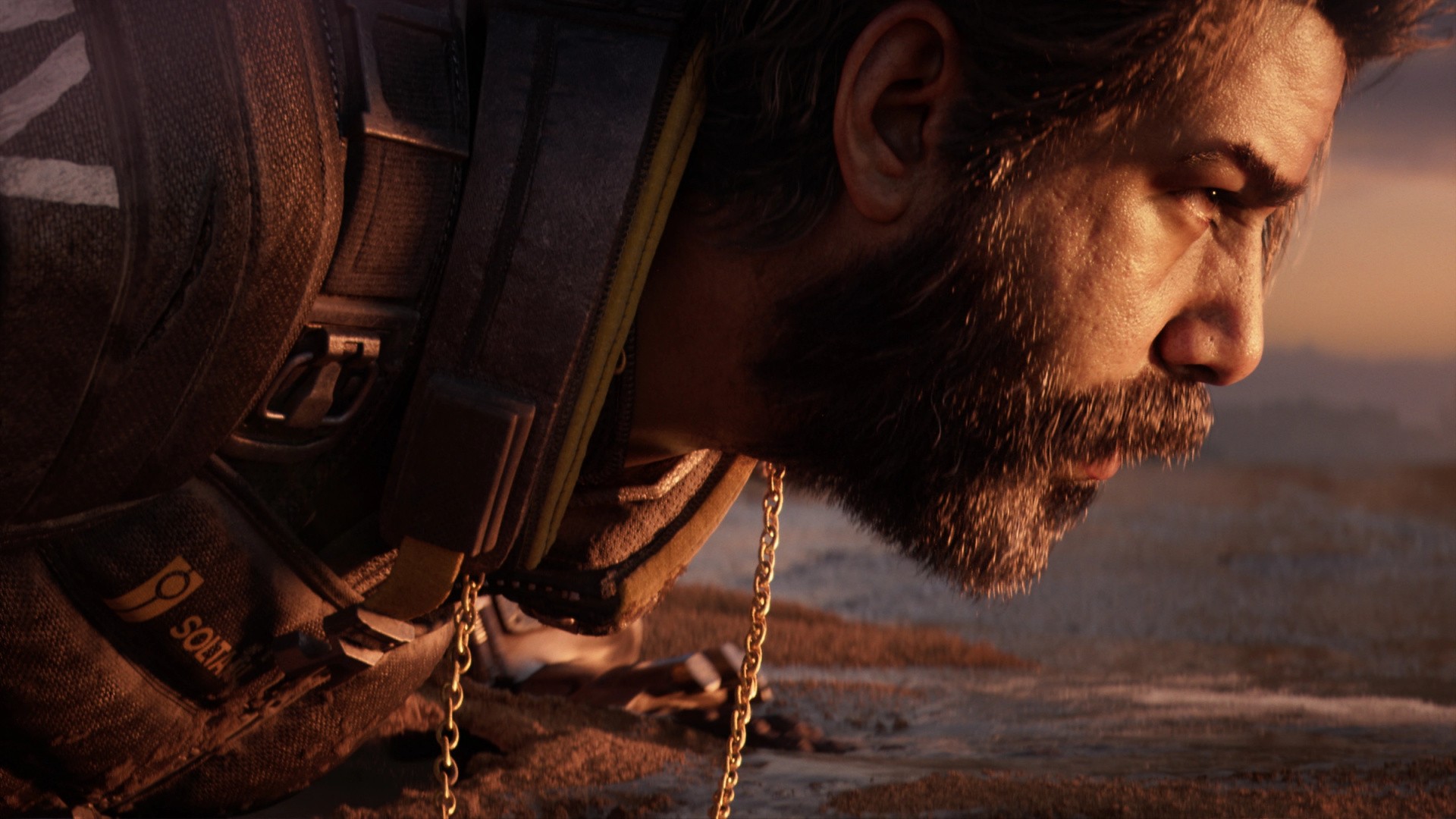
I think that's one of the fundamental things I brought with me to Housemarque; understand the context and try to express that context within the environment itself. We did a lot of that in Saros, where we just did the shape language of everything based on the psychological journey that Arjun goes on, the civilisation on Carcosa, and you start finding personality through these things. I'd say that's been one of the things that I honed while teaching.
To get into the game itself, what were some of the key learnings from Returnal, and how have they influenced Saros?
Louden: We felt like it was all about building on our strengths. We loved what we built with Returnal — our controls, our storytelling sensibilities, the atmosphere we created. It was just about, how can we take this to the next level?
Returnal is loved by so many, and still it feels like people are finding it even today and really loving the game. For us, it was about building on that success.
A broader lens was, can we get even more people to love Housemarque? For some people Saros will be their first Housemarque game.
One of the initial vision tenets we had was the idea of "come back stronger" — how could we reward progress even more in Saros? We knew we wanted to create something new, we knew we wanted Returnal to stand on its own, but how can we make the game more approachable? How can we make even more players be able to push forward through the game?
So that's where we had the idea of the permanent progression, where we don't dilute the challenge. Saros is still tough, but nonetheless, we allow you to upgrade yourself. I think one of the great elements that came from that was the modifiers.
If we make the game as tough as we think it can be, for some that won't be enough. So the idea is they can turn it up themselves — or if you want Saros to be a bit more forgiving — you can adjust the experience.
We wanted to take what we felt was successful from Returnal, tell a new story, have a new art direction, all these other elements, but also to allow even more people to jump into Housemarque and, ideally after playing Saros, they go back through our history and they can love all these games that I've loved so much as well.
How do you walk that tightrope of keeping a balanced level of challenge, but also making it more accessible for people, if they need it?
Louden: It was always about not diluting the challenge and just providing more tools.
One example is Second Chance. That's a key thing that kind of keeps you in the action, but you're going to need Second Chance to progress. We aren't adding these elements to diminish the challenge, we're adding them to allow you to confront the challenge in other ways.
The Armour Matrix is where you can grow. Some players will get through the first biome relatively quickly; others will need to go through and [unlock] upgrades. It's just about providing different ways to [deal with] that friction. Last but not least, there's the modifiers.
We're building a challenging and rewarding action game. If it's purely challenge and it doesn't pull you forward, that's not the vision. So it was about, as you said, this tightrope of how can we keep the challenge, but then also allow even more people to jump into it.
Silvestri: When we talk about difficulty, we like to reframe it as friction most of the time.
One key learning from Returnal is that we have two types of friction there. One was the agility part of it, you know, the second-to-second type friction. Then we had it sort of turn into this marathon where you had to be in the run for two, four hours to get [through] it.
That's the part we're like, this isn't needed because we want you to be in the flow. We want you to be in the agility type friction as much as possible, and learn how to be in that friction and love it.
That's why [you can] teleport to the biomes because it makes you go back into the action constantly and it allows you as a player to learn faster how to stay in the dance. And this game is at its best when you learn to dance.
So giving you these tools like the Armour Matrix, but especially the modifiers to make you comfortable within that dance is super important, because you can deactivate them later once you're comfortable. We want you to enjoy the game from the get-go, so that's the mentality.
Let's give you a helping hand to learn how to dance, then you can take those away and just be in the eye of the storm and enjoy [the action]. Let's reduce the marathon aspect of it.
You can still go from first to last biome, but it's not necessary and it's more a choice than a mandatory thing.
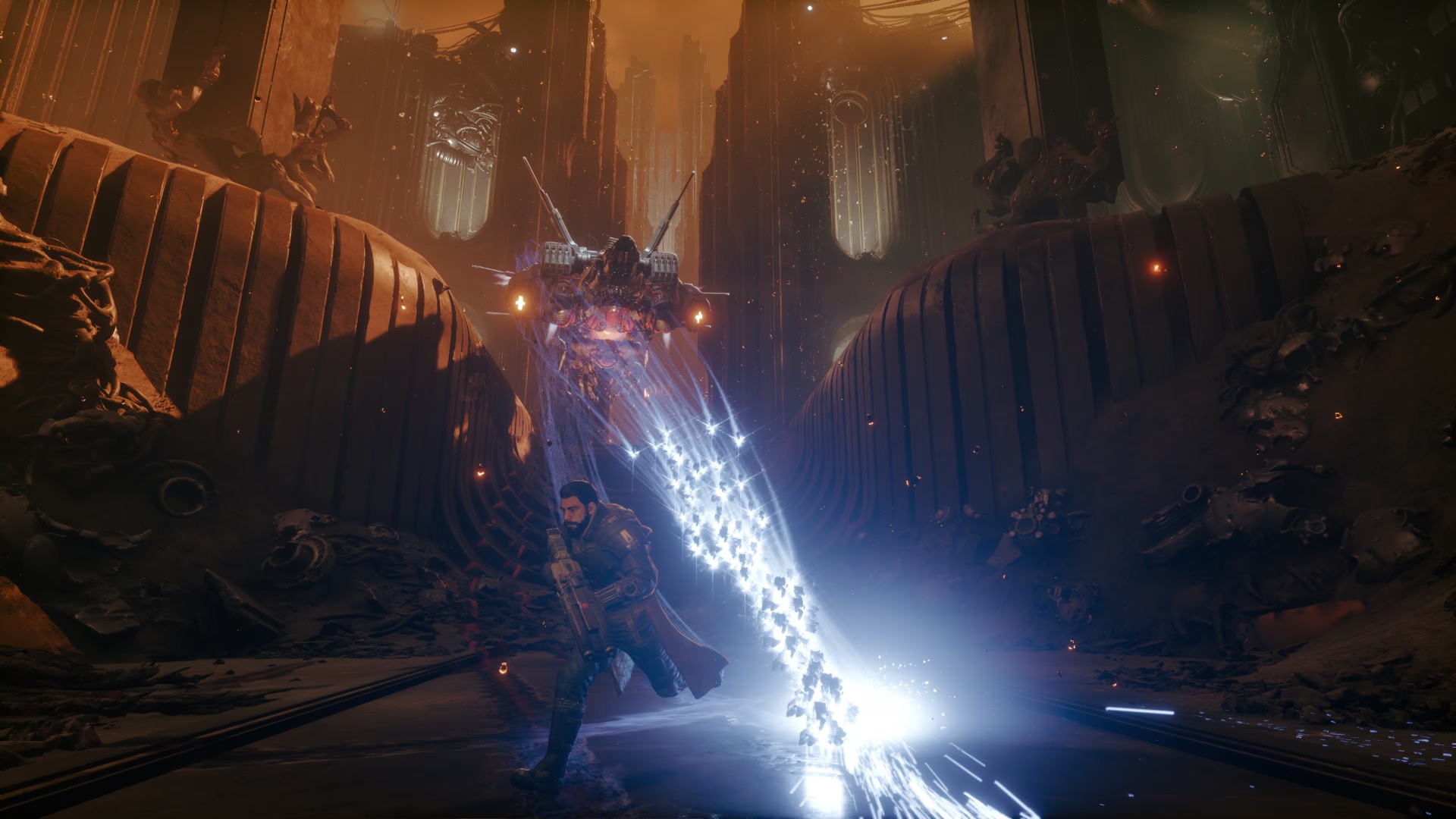
Housemarque is very much a gameplay-first studio, and I think that's interesting when you consider how much you're now leaning into storytelling. Saros takes things a step further than Returnal in this regard. What do you think that adds to a game that's otherwise very arcade-like
Louden: [Eevi Korhonen] and I were the first two [narrative-focused] people there. The big thing I loved was so many people at Housemarque said, "We're so glad you're here. Finally, we can tell a story!"
The same way we want to build tighter controls and better graphics, we also want to tell better stories.
With Saros, it was, okay, we've done one character and we've done them well. Let's try to do more characters. Let's add more viewpoints. So it's been a natural progression.
But to your point, everyone who joins Housemarque, there's a slide that says "gameplay first", that's who we are. Despite adding these story elements, basically our whole philosophy is it's opt-in.
You can choose to pick up the [audio logs] or not. You can choose to go around the Passage and look at all the amazing environmental storytelling. You can choose to listen to the music and ask what it means.
For us, it's just about creating this flow state, this sense of immersion with a world where everything else goes away and you're just lost in Carcosa, and you're with Arjun where the controls disappear and you're just flowing with him.
It's just a part of developing our skills, wanting to continually challenge and push ourselves, and create better and better games. So it's been a a natural progression, but always with gameplay first.