 by
by 
People didn't seem to be all too impressed with the latest Nintendo Direct broadcast, but it did feature one specific announcement that got me off my chair — and in this article, I'm going to try and explain why you should be excited about the fact that it's actually happening.
The drainingly-named Devil Summoner: Raidou Kuzunoha vs. the Soulless Army released for the PS2 almost 20 whole years ago, all the way back in 2006. It launched just months before the original Persona 3 in Japan — and close to a full year before Persona 3's arrival in the west.
Subscribe to Push Square on YouTube171k
Persona 3 changed the overall image and perception of Atlus' long-running Shin Megami Tensei franchise; it was the catalyst for what Persona would become — a spin-off series that would eventually overshadow its parent property in terms of global appeal.
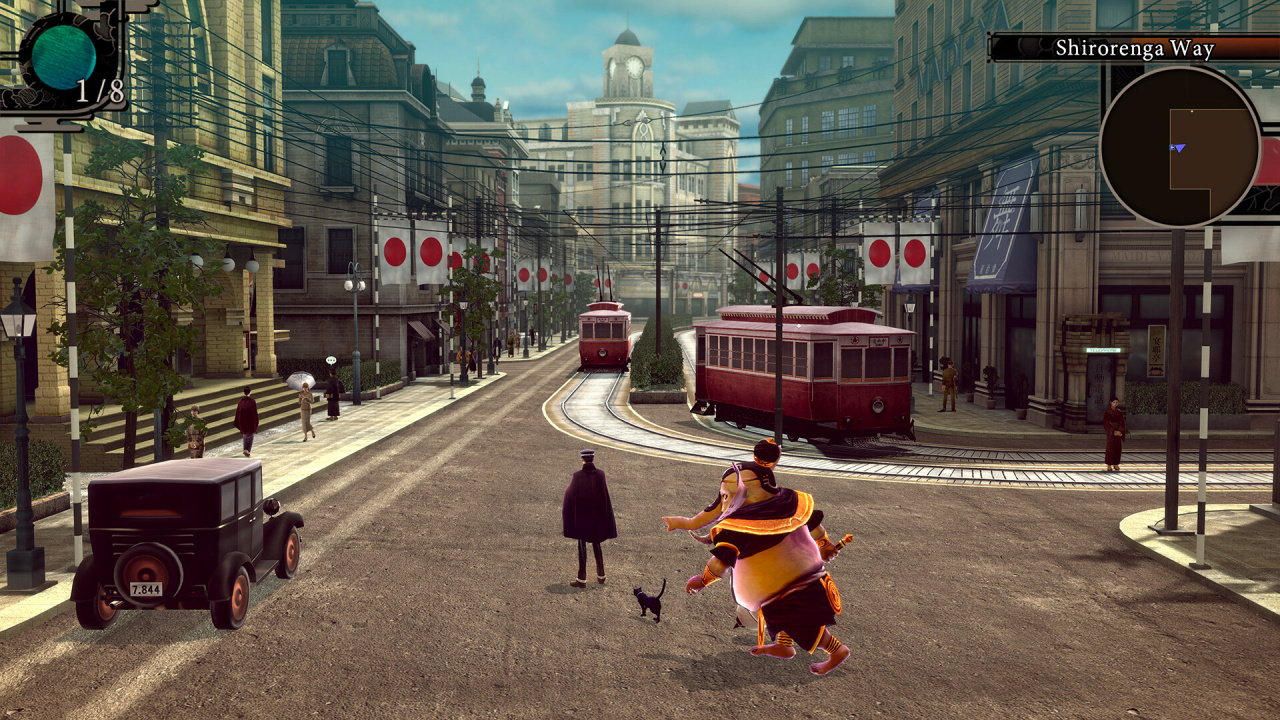
Devil Summoner got a bit lost amongst this transition. Raidou Kuzunoha vs. the Soulless Army was actually the third entry in the Devil Summoner subseries, and at the time, it was a step in an experimental new direction for the developer.
To say that Atlus' output was prolific on the PS2 would be an understatement. The Japanese company was practically on fire across the entire generation, pumping out numerous RPGs that are now considered classics, like Shin Megami Tensei: Nocturne, the two Shin Megami Tensei: Digital Devil Saga games, the aforementioned Persona 3, and, of course, Persona 4.
But Devil Summoner: Raidou Kuzunoha is rarely mentioned alongside that embarrassment of riches — and that's a real shame, because even today, it manages to stand out from the Atlus crowd.
Having pursued turn-based battle perfection throughout all of the above titles, the developer tried something undeniably different with Devil Summoner: Raidou Kuzunoha: it opted for action combat.
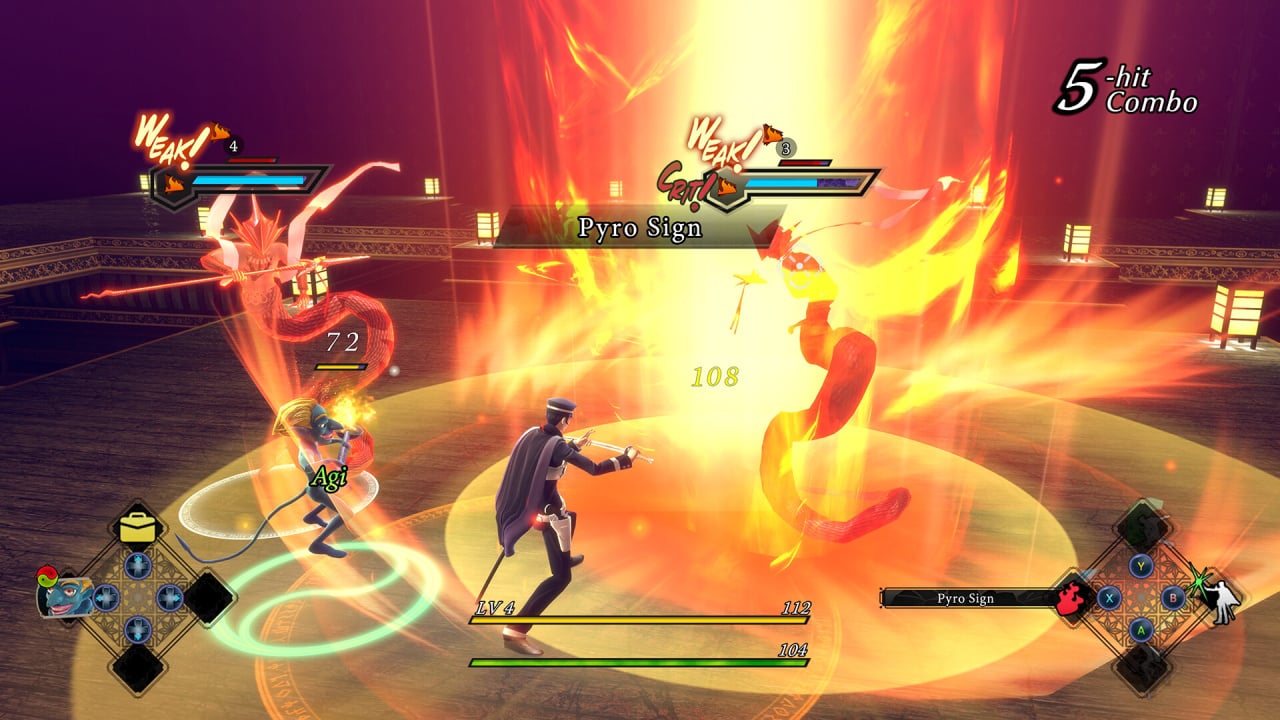
Indeed, fights take place in small-ish arenas, where titular protagonist Raidou is able to hack and slash his way through demonic entities with his trusty katana. Meanwhile, necessary depth is added through the partner system, which lets Raidou team up with CPU-controlled demons that he's befriended across his travels.
By today's standards, the core combat isn't great. Raidou's attacks and abilities are disappointingly limited, and the frequency at which random battles trigger means that skirmishes can become very repetitive. I'd argue that the true gameplay hook lies in collecting and training a small army of demonic allies, but there's still no getting around the foundational tedium.
But that's one of the main reasons I'm so hyped for Raidou Remastered: The Mystery of the Soulless Army. The recently announced revival is promising "enhancements" to the combat system — and while I'm not expecting some kind of drastic overhaul that puts Raidou on par with Devil May Cry's Dante, it's fairly easy to see how Atlus could improve the very basic mechanics that are already in place.