 review by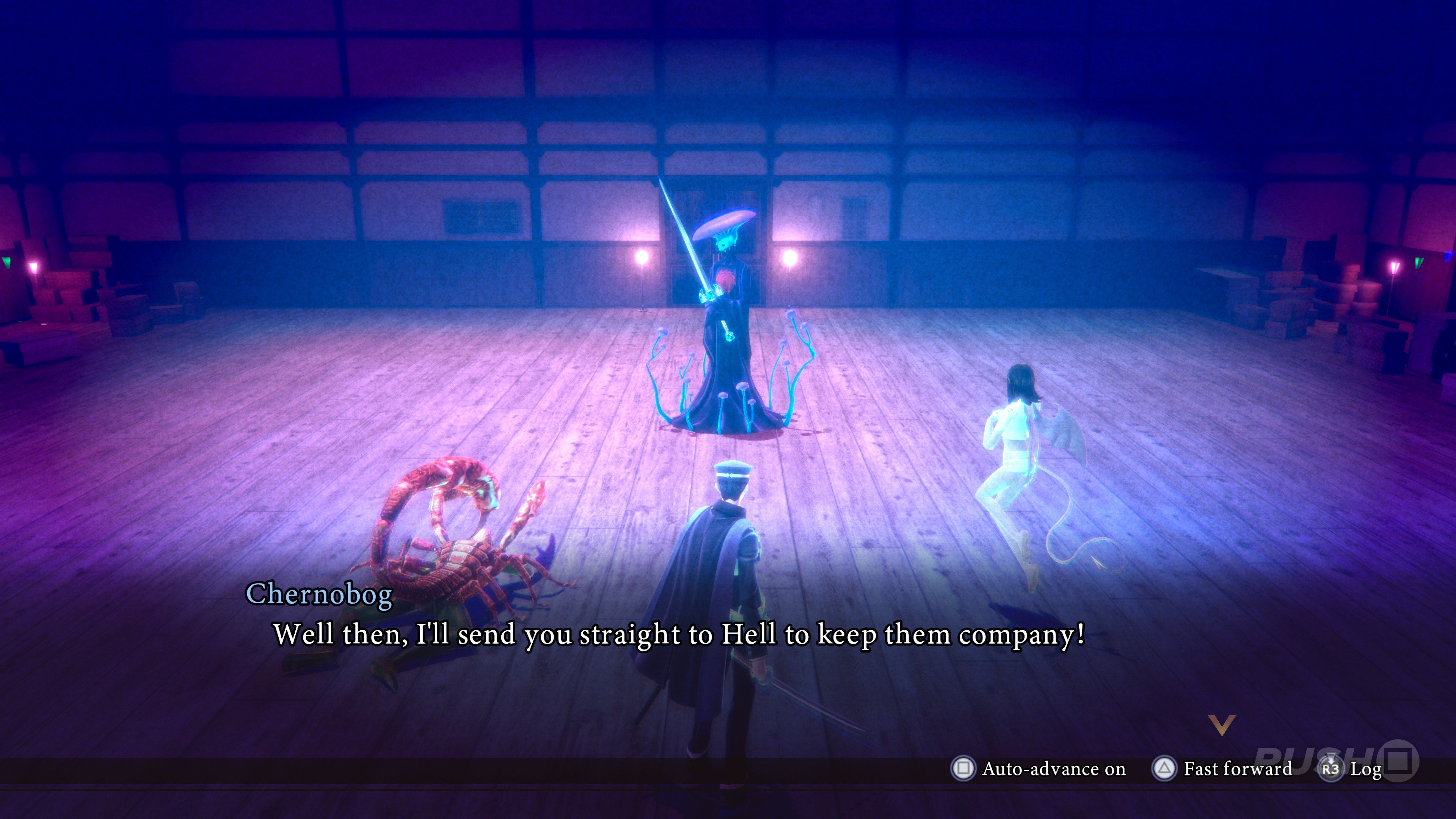
Given its vast PS2-era catalogue, Atlus' decision to revive Devil Summoner: Raidou Kuzunoha vs. the Soulless Army is a bit of a strange one. Something of an experimental foray into the realm of action RPGs, it's not necessarily a game that springs to mind when looking back on the developer's most prolific console generation.
But maybe that's why it's getting a second chance. For Atlus' modern audience — those who got started with the Persona series, perhaps — Raidou offers a unique glimpse into the studio's past, and, ultimately, it's a tale that's worthy of being retold.
Despite its name, Raidou Remastered: The Mystery of the Soulless Army is essentially a remake. While it does stick to the original game's story and structure, the visuals have been given a complete overhaul using 3D assets, and core gameplay systems have been significantly reworked.
The result is a surprisingly impressive revival — a far cry from 2021's disappointingly basic Shin Megami Tensei 3: Nocture HD Remaster.
You play as the titular Raidou Kuzunoha — a freshly established Devil Summoner who journeys to the Japanese capital in pursuit of potentially sinister forces. Basically, Raidou's a peacekeeper with ties to those who protect the country from the shadows, employing Shin Megami Tensei's usual roster of demons to assist in his investigations.
It's an intriguing premise right from the off, and the overall plot twists and turns in some truly weird directions. Outside of a few fairly flat characters, we'd say that the story holds up pretty well. It's not what we'd call a particularly tight narrative, but they simply don't make oddball plotlines like this anymore, and so the whole thing ends up feeling quite memorable.
Raidou's tale is told in episodic fashion — complete with title cards for each chapter — which creates a meaningful sense of pace across what is a relatively short campaign. Indeed, compared to Atlus' more recent outings, Raidou Remastered's 30-ish hour runtime is refreshingly brisk.
There are two sides to the title's structure. The first boils down to detective work, as our caped protagonist hits the streets in order to establish leads on the current case. The second, by contrast, involves dungeon delving into a kind of spirit realm where demons roam free.
For Remastered, the investigation side of things has been streamlined. Objective markers and more prominent hints all but erase the original game's obtuseness, which we think is probably for the best.
Granted, playing the role of a detective is arguably more fulfilling if you're actually having to consider your options, but Raidou was never really about unearthing clues and correctly questioning witnesses. If anything, the objective markers just make the experience less tedious; you're no longer combing entire districts just to find the one NPC that triggers the next part of the story.
Having said that, there are times when the release shows its age. Backtracking becomes a slight annoyance later on as Raidou bounces between locations for the sake of just a few lines of dialogue, and the (entirely optional, thankfully) side quests are little more than a checklist of largely boring chores.
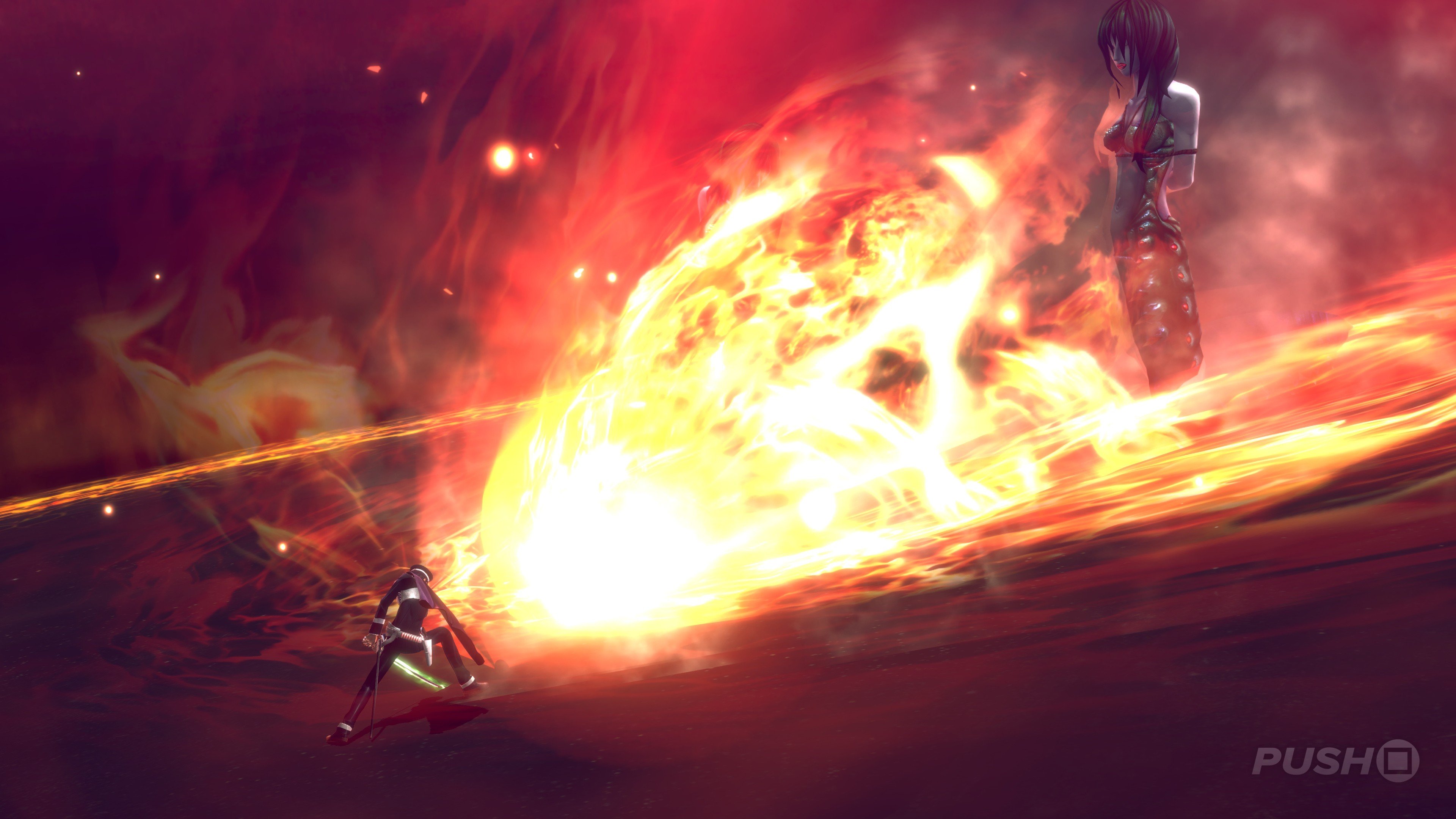
This criticism would have almost certainly continued through to the game's combat system, had Atlus not redesigned the whole thing for Remastered. Back in 2006, the basic action combat was a major sticking point for most critics, with repetitive hack-and-slash mechanics all but cancelling out the game's cool demon-based ideas.
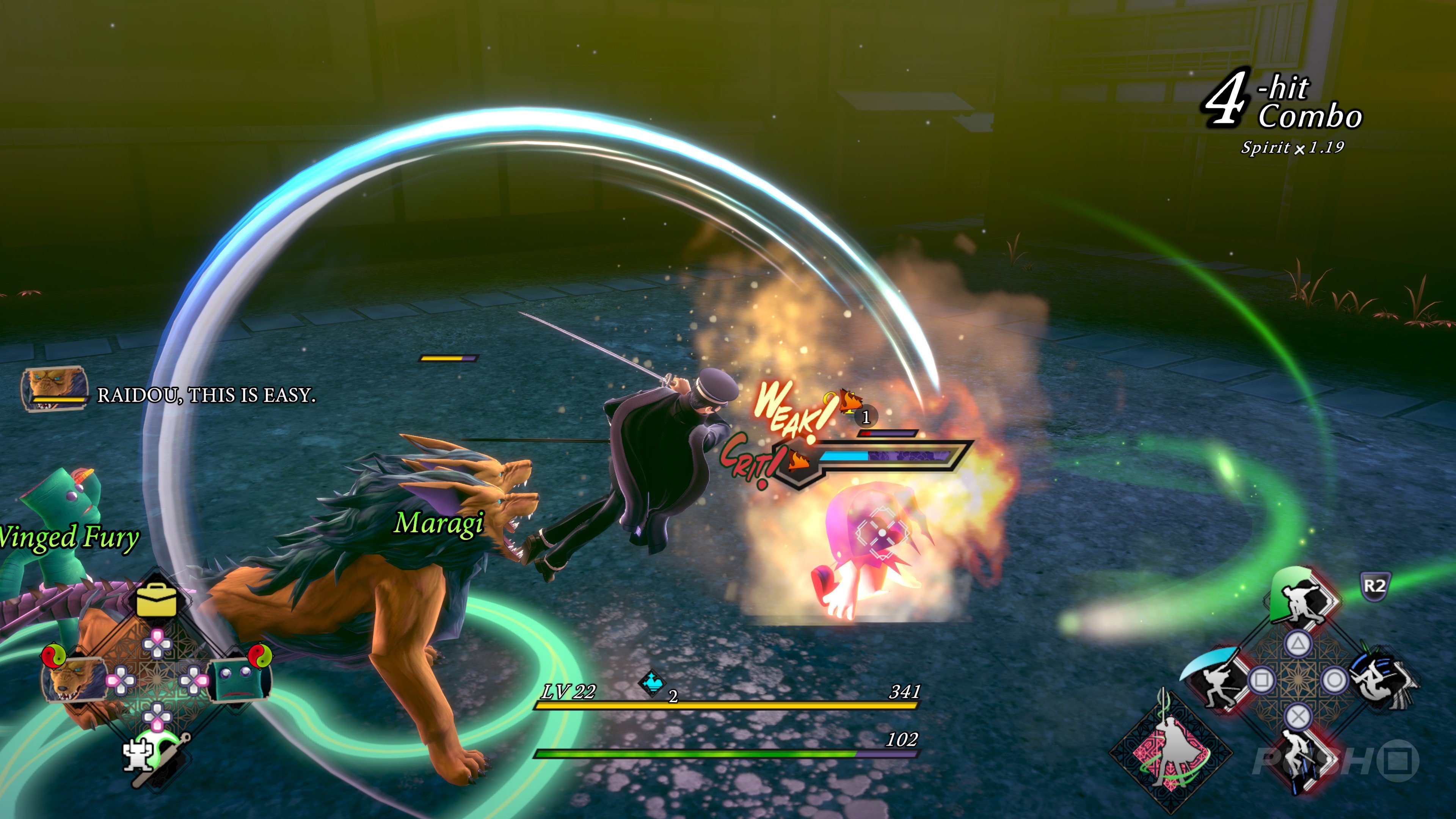
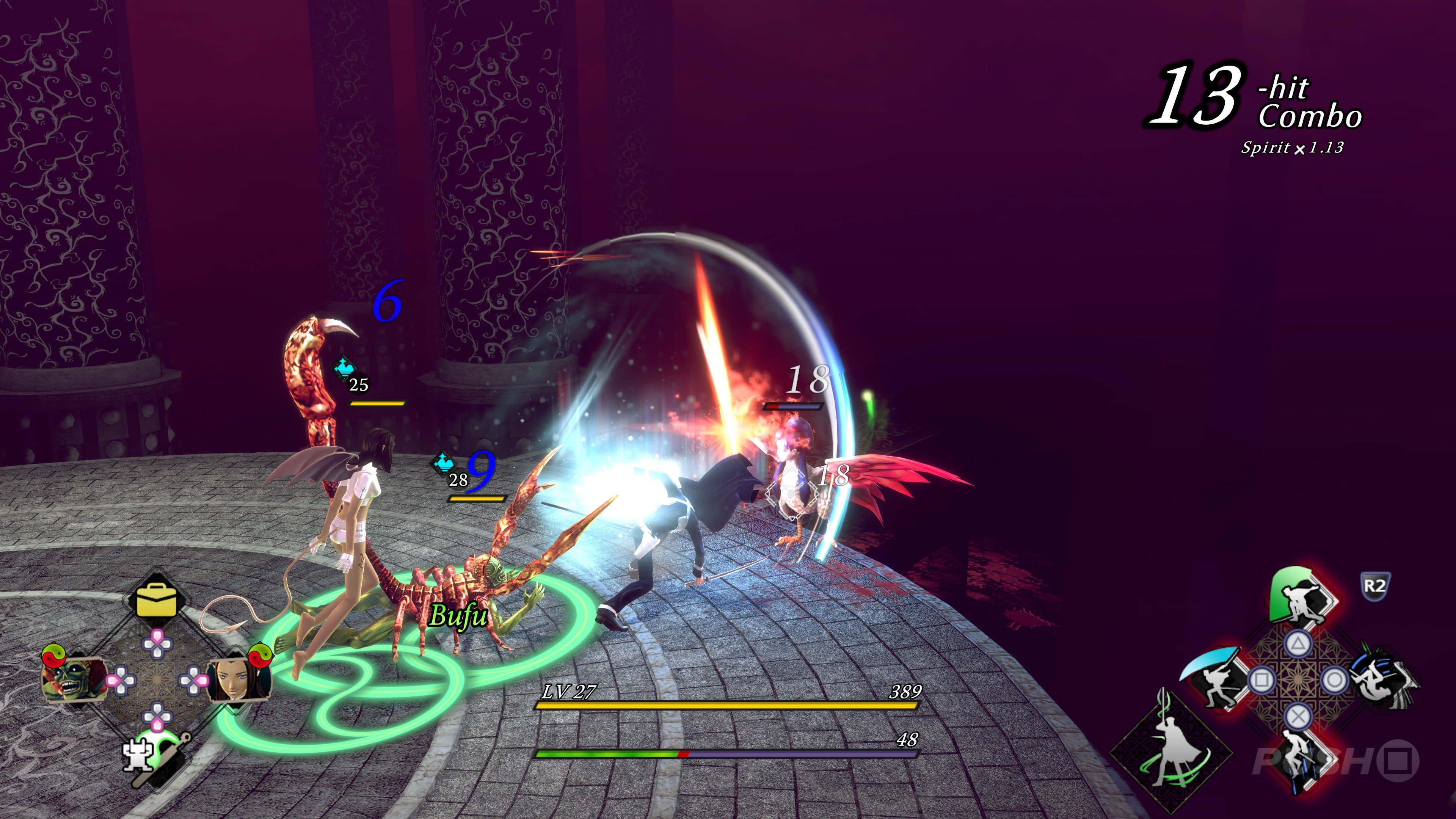
Here, battlefields have been transformed into fully 3D arenas, and Raidou controls like a proper action character, boasting combos, counters, and special moves that are mapped to button shortcuts. On a foundational level alone, combat has been dramatically improved both in functionality and feel.
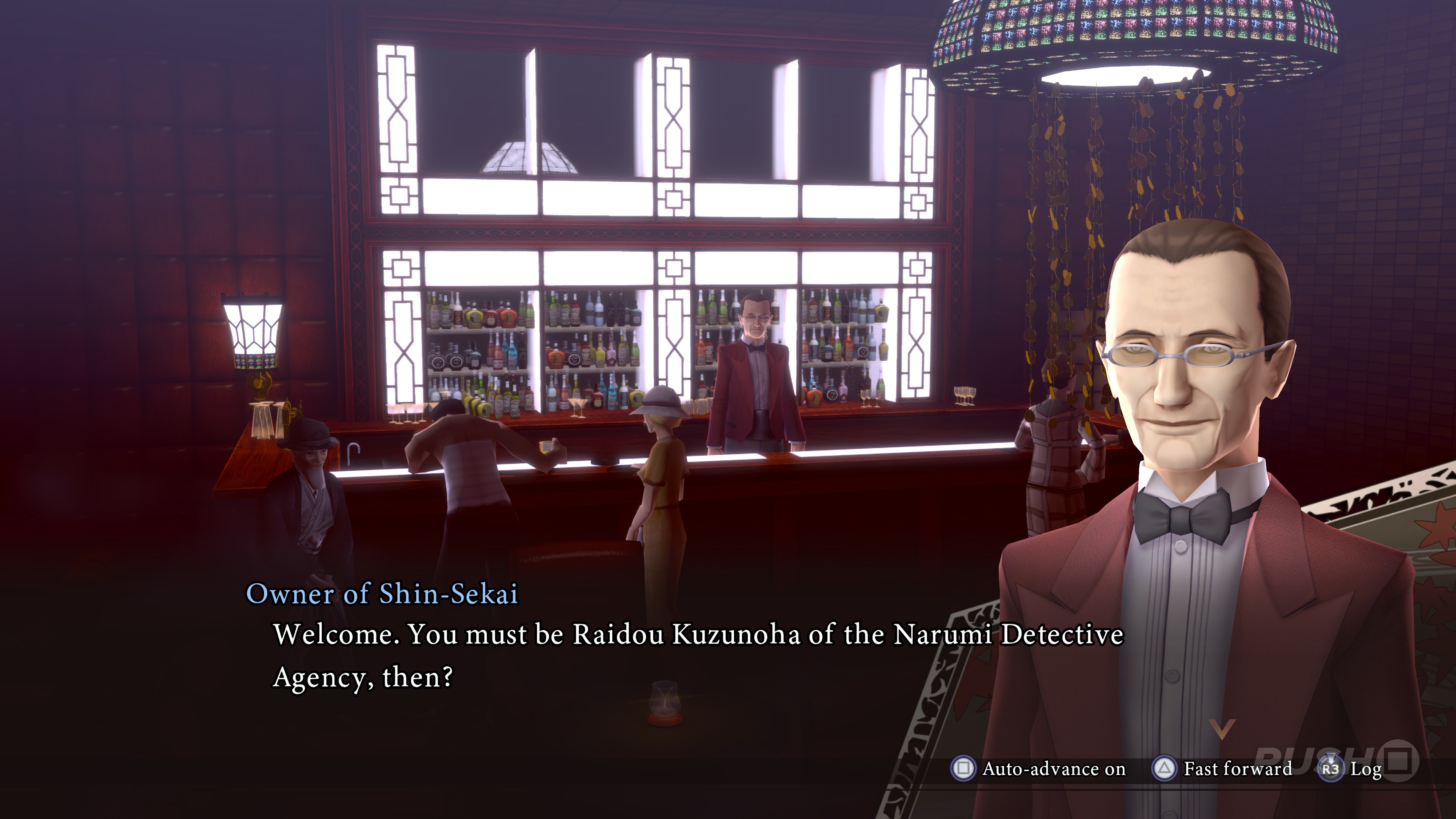
The system itself has always been interesting, but Remastered's tweaks allow its strengths to finally shine. In a fight, Raidou is joined by up to two demon companions, who are controlled by the AI. As the Devil Summoner, it's your job to maintain momentum; your standard sword attacks generate SP, which fuels your demons' abilities — and it's through these abilities that you'll exploit enemy weaknesses.
Hitting a weakness temporarily staggers the opponent, and in turn, Raidou gets to elongate his sword combos and recover yet more SP, creating a satisfying loop of destruction. It's a system that remains rather unique to this day, where the player acts as a kind of catalyst for their allies, as opposed to being the main damage dealer.
And of course, this is where building a team of all-conquering demons becomes a priority. Raidou can ensnare enemies of a lower level than him during fights and repurpose them as allies, but fusing demons together is where the real magic happens.
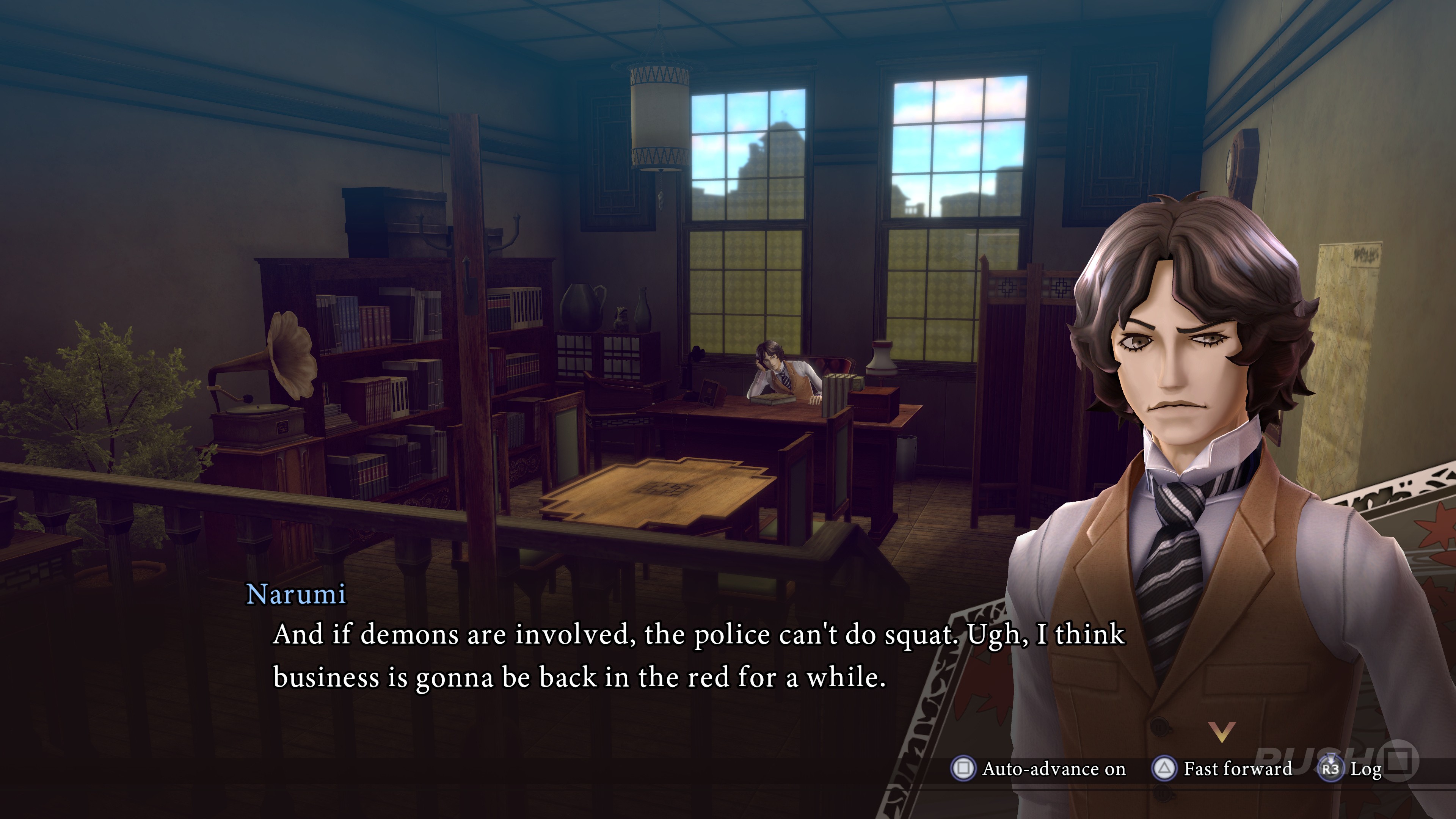
Much like in Persona, a demon's skills and traits can be transferred to a new form, letting you experiment with and create all kinds of powerful partners. Atlus has obviously been repurposing this fusion stuff for decades, but the sense of progression is still so addictive.
It's also important for Raidou to assemble a varied team outside of battle. During investigations, demons with specific abilities are needed to influence people or objects, leading to more pronounced relationships between our hero and his quirky companions.
We're not saying that Raidou's demons are great characters, but small interactions and the odd line of comical dialogue instills some welcome personality. The demons feel much more involved, and subsequently engaging, than they do in Atlus' other works, to the point where you almost feel bad about throwing them into the fusion blender.
Conclusion
Raidou Remastered gives one of Atlus' most experimental PS2 outings a deserved second chance. Better described as a remake, a huge list of improvements, including a superbly reworked combat system, make this a must-try for the developer's modern audience. Raidou remains a uniquely weird and compelling action RPG, and this is its definitive form.


Comments 19
If anyone's got any questions about the game or the review, let me know and I can try to answer them.
Playing this again made me realise there's nothing quite like PS2-era Atlus. That's not to say modern Atlus games are worse, but there was a unique tone and atmosphere to that generation.
Anyway, I'm glad Raidou's getting a second chance. Looking forward to the inevitable sequel remaster as well.
I agree with you - PS2-Atlus is a different breed. To this day, Persona 4 is my favorite JRPG of all time, and it’s hard pressed to find a title that can surpass it, though Clair Obscur might do so after more consideration. Nevertheless, I’m glad to see this game is getting another chance and seemingly turn out great. I’ll be picking it up for sure.
@ShogunRok Classy review for a classy game.
This has nothing to do with raidou but Imagine the remake of SMT 4 with the graphics and qof of smt v vengeance
Please buy it, so I could have King Abaddon remaster, it is much better game than Soulless Army. Not that the first game is bad, sequel just improves every aspect.
@HallowMoonshadow I'm actually surprised Raidou got the nod over Digital Devil Saga — I would have bet on the latter being remastered first.
I do think it's on the cards, though. SEGA's stated that it wants Atlus to be releasing games much more often, and it seems like remasters are a focal point for that initiative.
They'll do Raidou 2 and then... well, we'll see!
@HallowMoonshadow I would love DDS collection. I would love DDS3 even more. I seriously hope that Atlus remembers more often than SMT is more than just Persona.
I assume this was a review with a digital copy provided. Any idea if this is a MS-style no-game-on-disc or if it’s actually on the physical copy? I only ask because Atlus went with a key game card for Switch 2 on this one.
Either way, my PS5 disc arrives tomorrow!
There’s a toss up between PS2 and DS for Atlus’ peak but it’s hard to argue that their PS2 output wasn’t by and large spectacular. Looking forward to playing this when I can get round to it.
How difficult is this game? More like SMT or easier like the Persona?
@guacguacboo Remastered has a few (maybe three or four, I can't quite remember) difficulty settings that cover everything from super easy to really hard. You can change the difficulty at any time out of combat.
On the standard difficulty it can be a pretty tricky game, although probably not as unforgiving as peak SMT. That said, the combat system does take a little getting used to overall.
But yeah, the difficulties should suit your needs based on my experience, whatever they might be.
Thanks for the review, I will play this soon enough. Very glad to see Raidou getting another chance to shine.
Now if only Trauma Center could get that same chance. I know the series isn't directly related to Megami Tensei (I think) but I miss it so much…😭
I wish Sega would reenter the console making business. I would buy a new Sega console just to play Sonic, Atlus' games, Yakuza, and their other franchises.
I might snap this up. I missed out on atlas during the ps2 era, although my friend did show me nocturne back in the day and also digital devil saga, but I only played them briefly. It's only after playing P4 golden on the ps vita, back in 2012/2013 that I started becoming a fan of Atlus' work
Is it mechanically close to P5 Scramble (the boss/mini boss parts) or a completely different beast?
Like, your summons act as your companions?
@MichaelNau It's somewhat similar in that they're both quite hack-and-slash, but Raidou is a bit more basic given its PS2 origins.
Your demon allies act alone for the most part, although you can give them specific commands through a menu. They'll always try to hit enemy weaknesses or heal when you're low on health, and in turn, you need to keep your SP topped up (both Raidou and his demons all pull from the same SP pool).
Overall I'd say it's a little more 'unique' in terms of mechanics than Scramble, but the action itself is less flashy and fleshed out.
@ShogunRok
Man you're fast with your replies!
Thanks ^^
Thank you for this review, I wasnt aware it was coming, but given your positive review Im adding this to the ever growing wishlist!
Man, I can't thank Atlus enough for remastering an ARPG spin-off! I never could find my way with turn-based JRPGs, so this one is a true blessing.
Show Comments
Leave A Comment
Hold on there, you need to login to post a comment...