
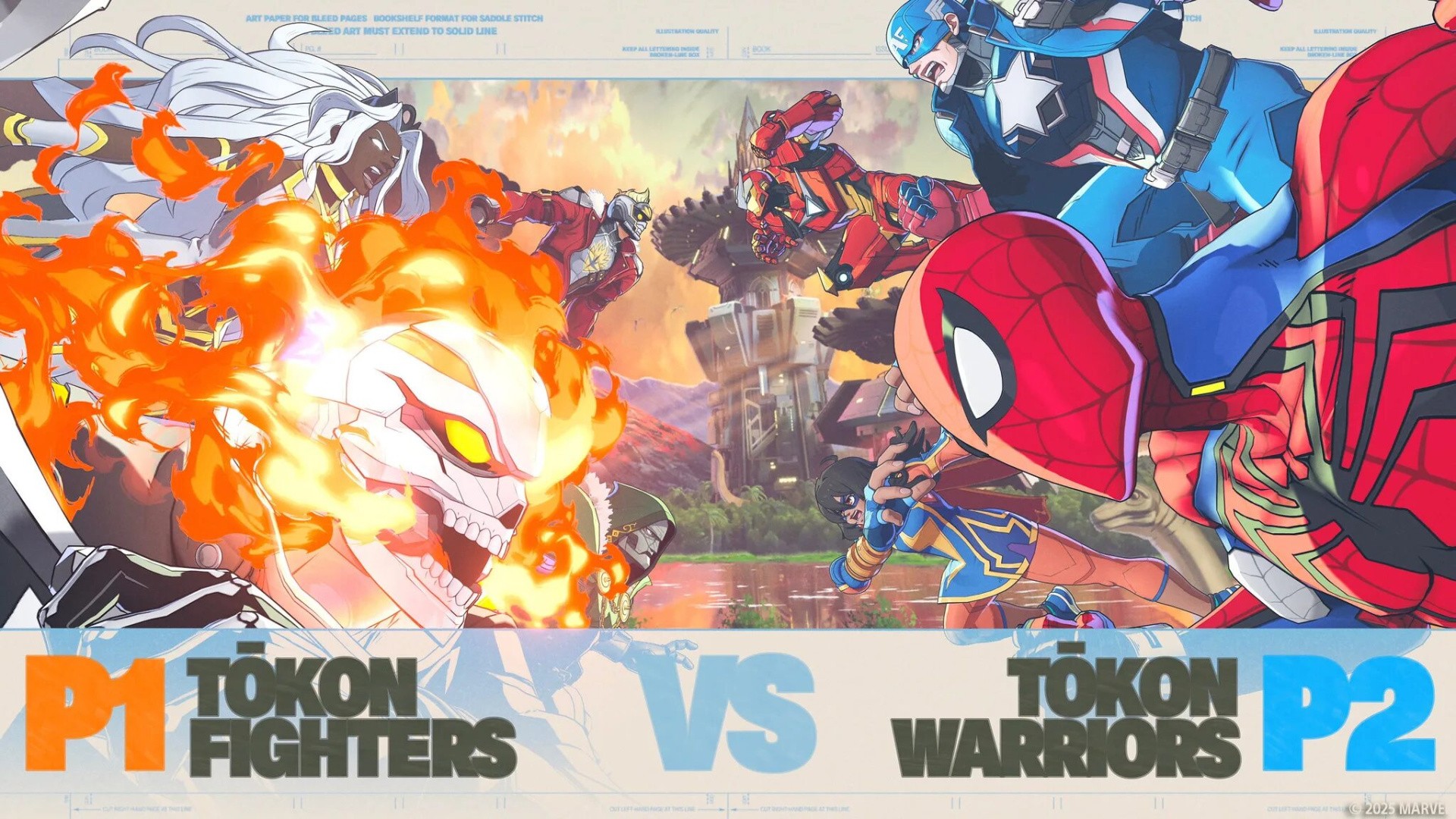
Marvel Tokon: Fighting Souls is without a doubt one of 2026’s most exciting PS5 releases.
But the game, which has garnered a tremendous reception, has a challenging tightrope to walk: it needs to appeal to the pros who show up at events like Evo, while simultaneously sustaining the interest of casuals who don’t usually play fighting games.
Arc System Works is trying to bridge that gap in a variety of different ways, but in doing so it’s created a format which takes a lot of getting used to. And as long time fighting game players, we’re still not sure even we’ve fully wrapped our head around it all.
This preview is based on our hands-on at the Tokyo Game Show, but we’re also pulling in knowledge and experience from its recent Closed Beta Test as well.
That it’s taking us so long to process all of the mechanics speaks to the challenge the Japanese developer has. But it’s also worth noting that we’re not playing the final experience here, and we still don’t know exactly how the studio hopes to onboard players.
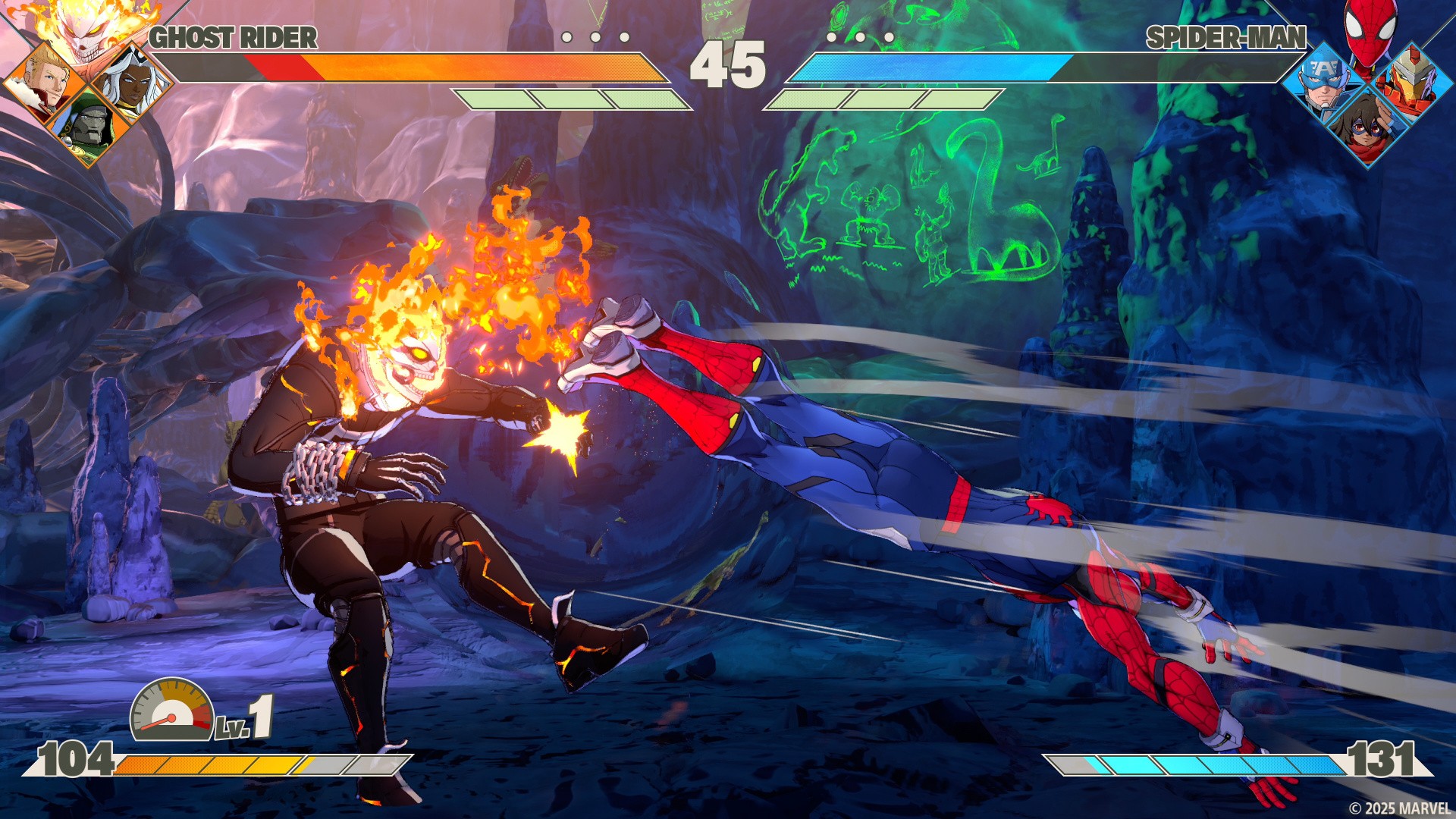
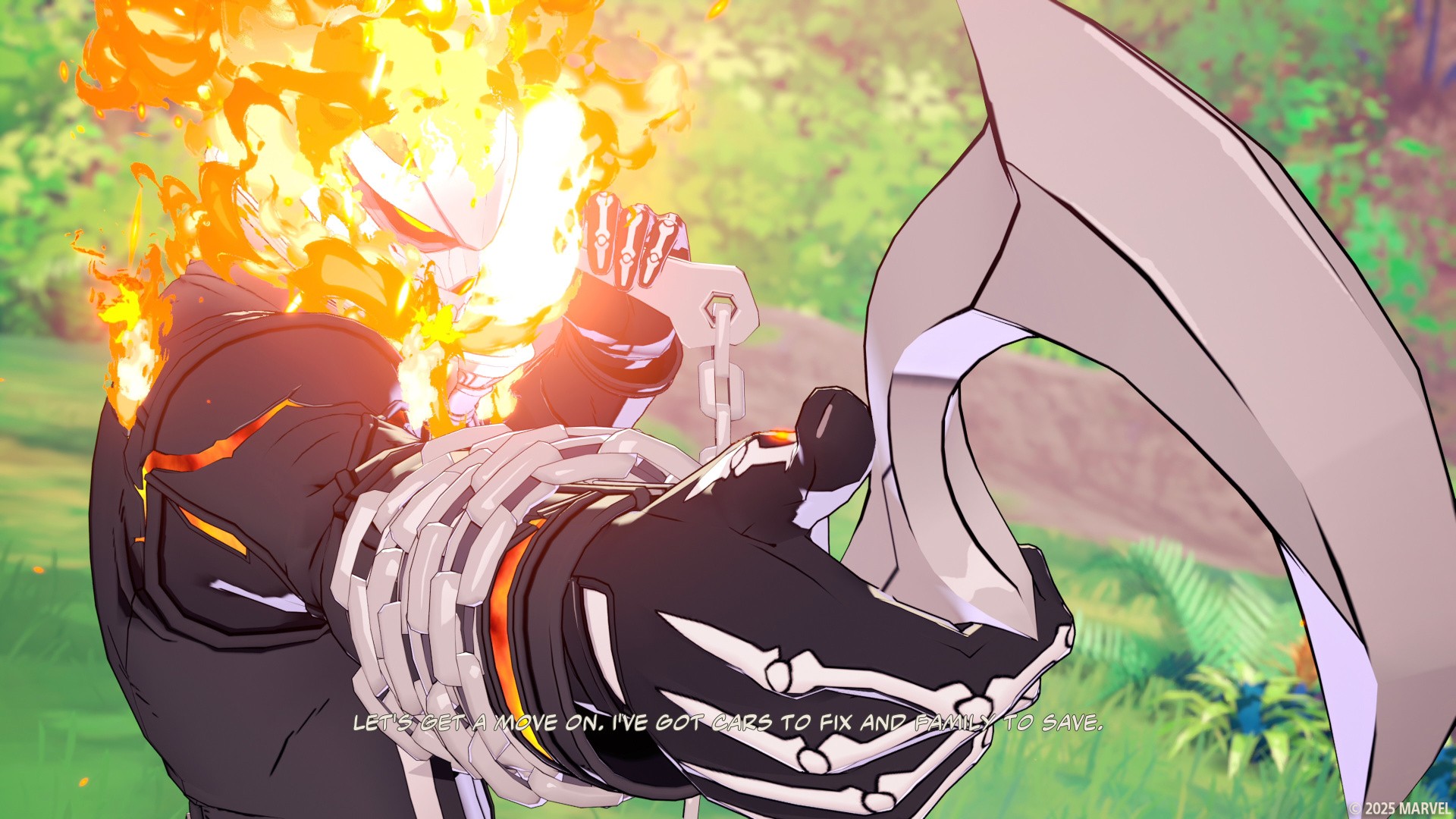
On the busy TGS show floor, we asked Senior Producer Reed Baird exactly this question, as he proceeded to pummel us as Ghost Rider, a new playable addition to the title’s newest demo.
He pointed out that there are various concessions which make Marvel Tokon much more accessible than other tag-team fighting games, like Marvel vs Capcom for example.
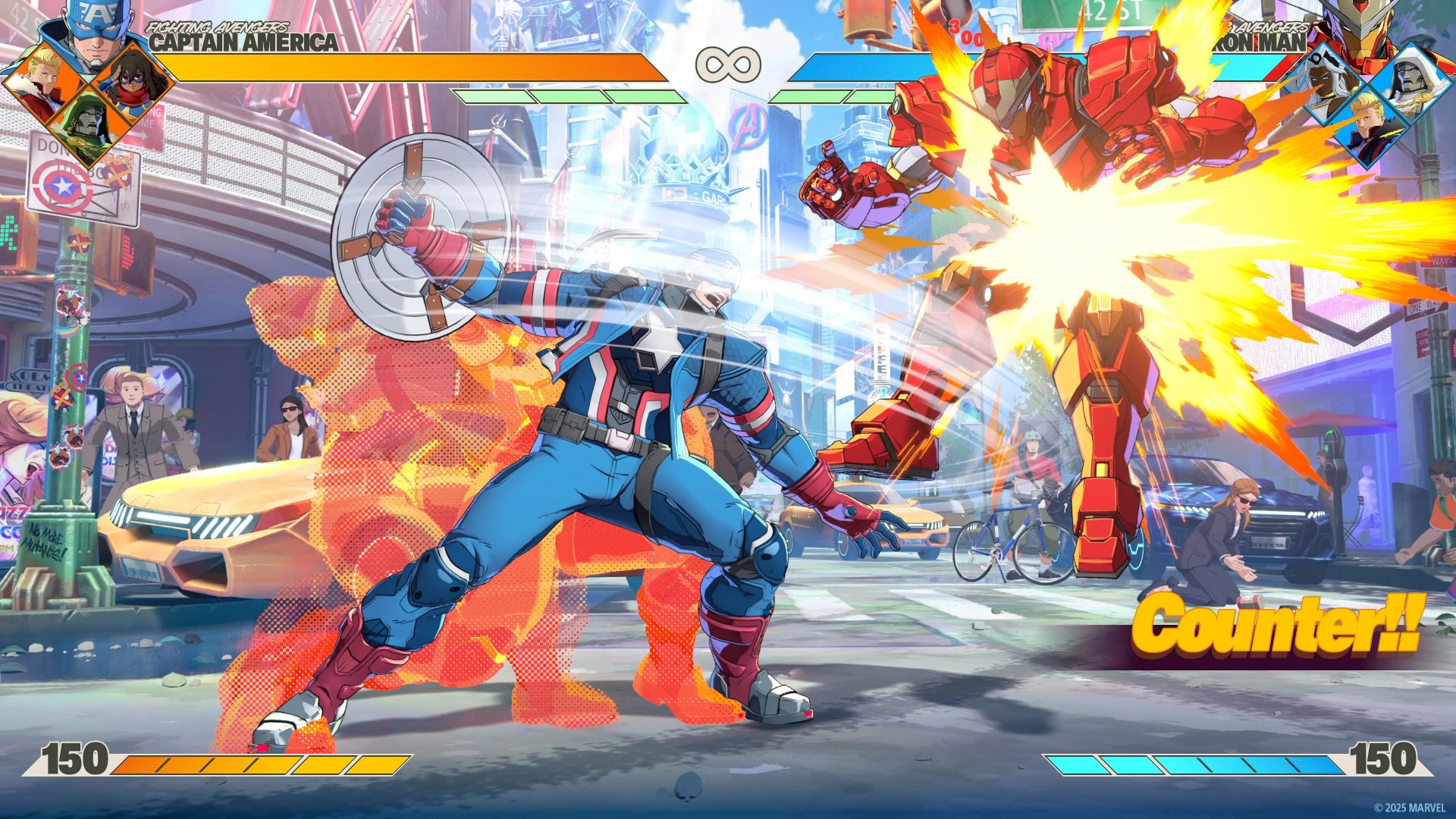
The way the Assemble mechanic works, for instance – you start with just one fighter and then gradually add more to your roster – means you can focus on mastering one character and using the others as supports. You don’t need to swap, as your squad has a shared life bar.
This is a fair point and an issue we’ve often had with tag-team fighting games; it’s a big ask to “git gud” with one character, so it’d be borderline demoralising to force you to master four.
Of course, the aforementioned pro players will be toggling between their teammates ferociously, but we suppose that’s a prime example of where both casual and hardcore players have been considered.
Baird also pointed to the control scheme, which has auto-combos and one-button skills.
You can still perform moves using traditional Street Fighter-style inputs (with a damage boost to boot), but more casual players can get by with Super Smash Bros-style commands and button mashing.
The problem, we’ve found, is that there’s just so much to process.
Yes, you can just tap buttons and watch awesome things unfold on screen, but you need to have an idea of what you’re doing and why. Between copious different gauges and techniques, it’s a lot.
This is perhaps exemplified by the Closed Beta Test’s tutorial, which is beautifully presented but runs a good 15 to 20 minutes. By the time we’d completed it, we’d forgotten a lot of the earlier things we’d learned.
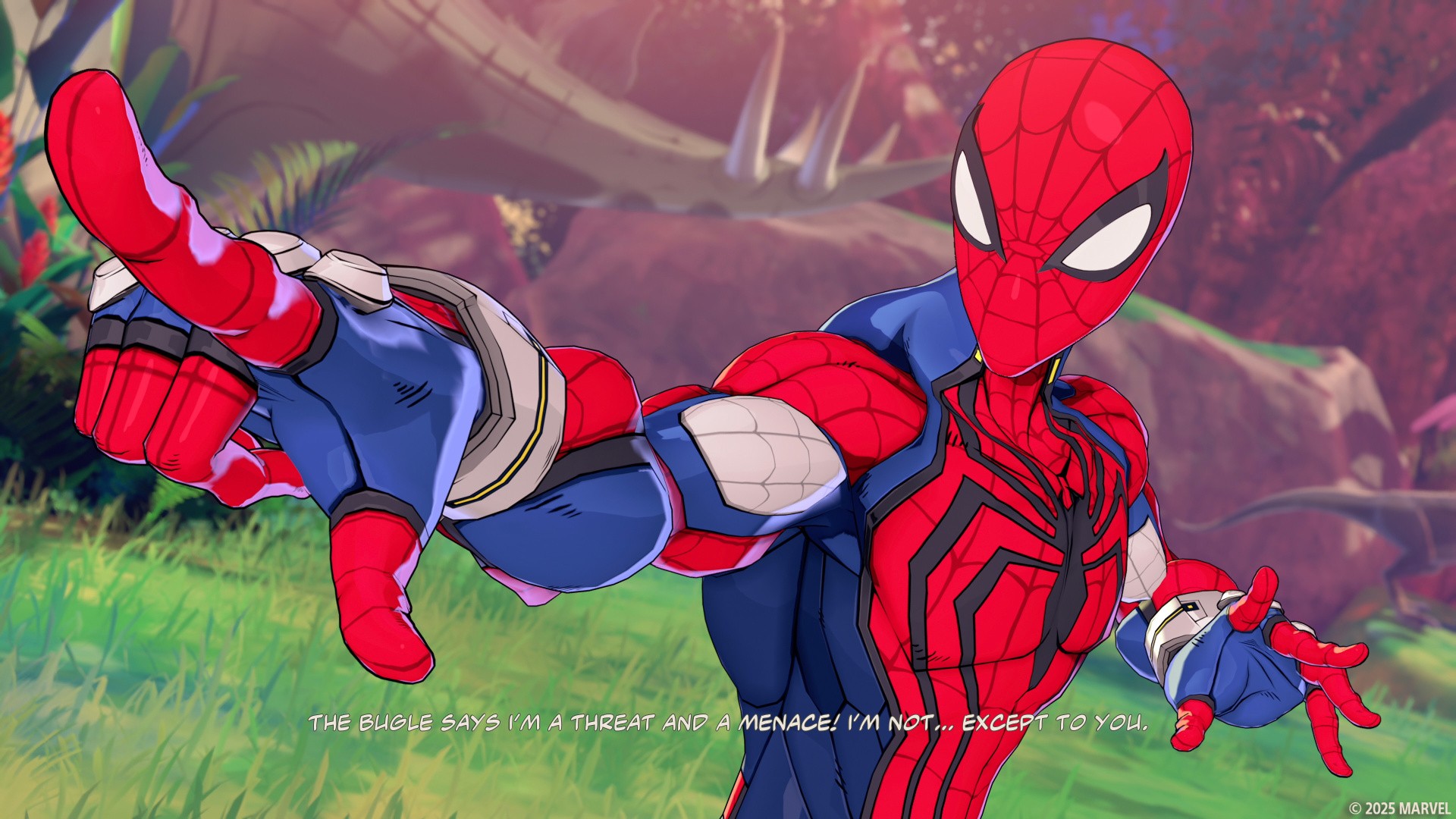
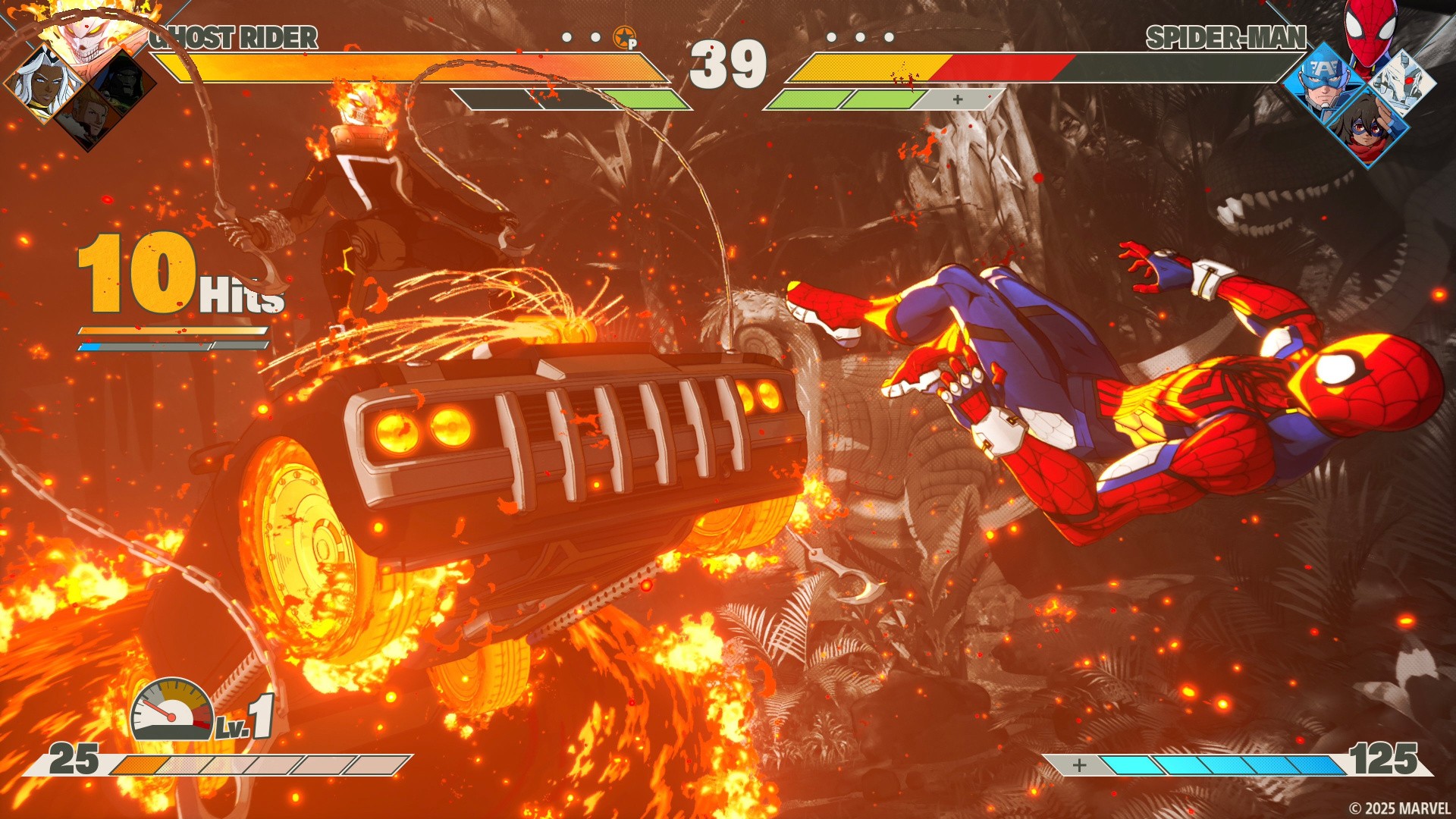
You also do need to consider that each superhero handles differently. We focused on Ghost Rider and Spider-Man at TGS, because they were playable at the show for the very first time.
Each character has different mechanics, so Ghost Rider for example has an additional gauge at the bottom of the screen which “warms up” as he attacks.
It’s designed to encourage you to get in close to your opponent, but there’s a risk/reward element to this which means he can overheat. Naturally, this leaves him vulnerable, but if you can keep him in the “sweet spot” then you’ll get a buff to your attacks.
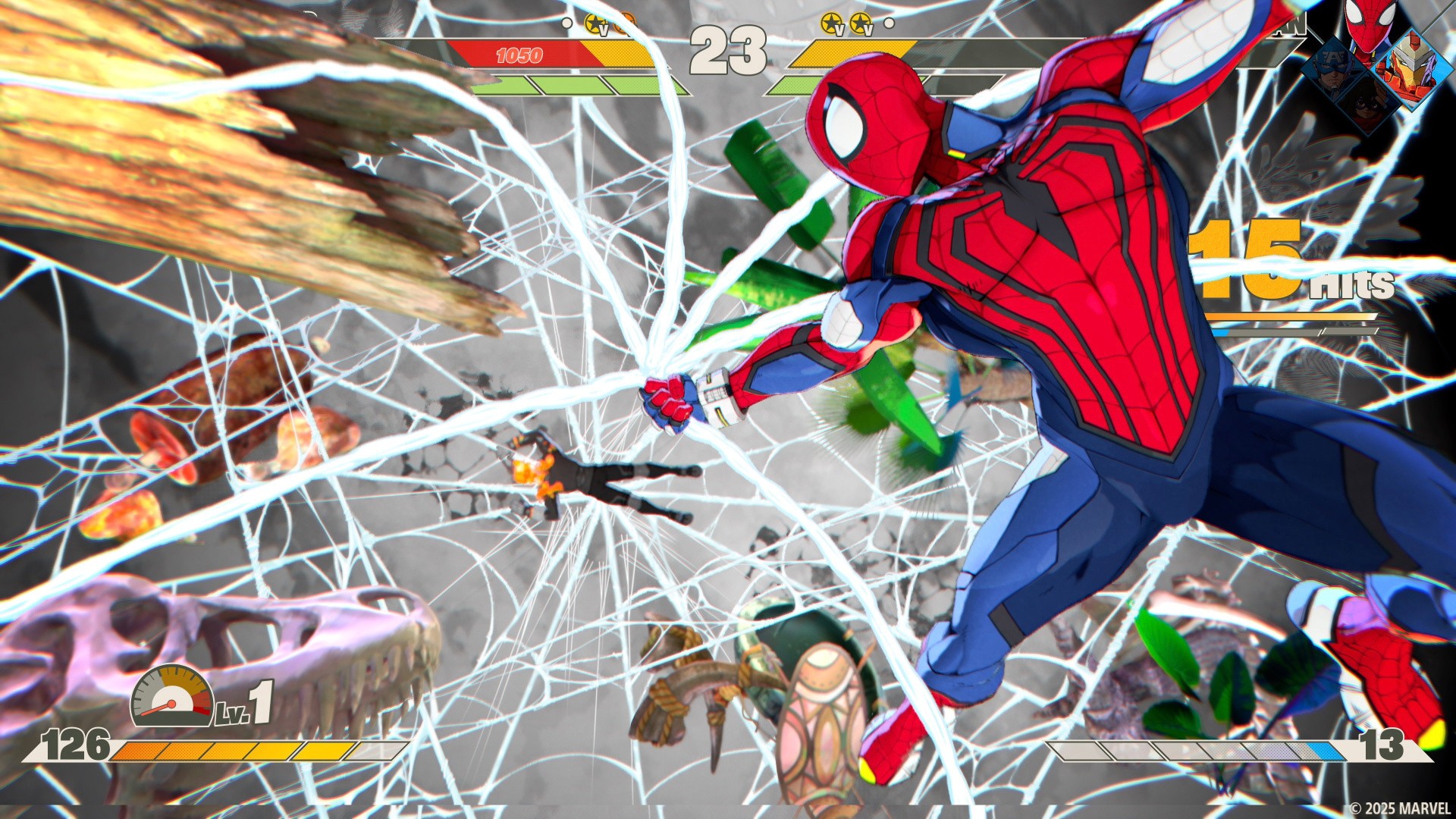
Spider-Man is less complicated but he also benefits from unique gameplay. For example, he has a Spider-Sense ability which acts as a kind of reversal – and he also has the ability to cover distance quickly using his webs.
Baird explained to us that picking characters for the game is not just about who’s popular: it’s also about unique silhouettes and gameplay mechanics. It sounds like the developer is trying to avoid as much overlap as possible, and wants each character to feel completely unique.
We asked him why more characters hadn’t been revealed yet, and he told us there’s a plan for the game. He pointed out that the eight already announced is a large selection, and the launch day roster has been determined internally.
Our concern is that, in a 4vs4 fighting format, a small roster could result in a lot of repetition.
For example, if you imagine a traditional eight stage arcade ladder, with one final boss, that’d mean you’d fight seven different squads. But if the final game only has, say, 16 characters, you’d only be able to assemble four truly unique squads.
Baird naturally wouldn’t comment on the scale of the final roster, or how many stages there’ll be in the final game.
We played a lot on the new level Savage Land, a prehistoric pan-Marvel landscape that’s largely featured in the X-Men. It’s a really cool multi-layered stage with dinosaurs lurking in the background and volcanoes among the landscape. Marvel’s New York City is the other option announced so far.
The cool thing about Marvel Tokon is stage transitions are a big part of its gameplay – it’s one of the primary ways to assemble your team – and so they feel much denser than in the likes of, say, Street Fighter 6 where they primarily consist of a single screen.
We still remain incredibly optimistic about the game overall, then – we just need to spend a lot more time with it to wrap our head around it. And if we’re feeling that way already after several hours play, we’re beginning to ponder just how much mileage more casual players will get out of it.
But we’ll need to wait for the final product to answer that question, because obviously the flow of the finished product will be dramatically different to the various betas and demos we’ve been testing here.