 by
by 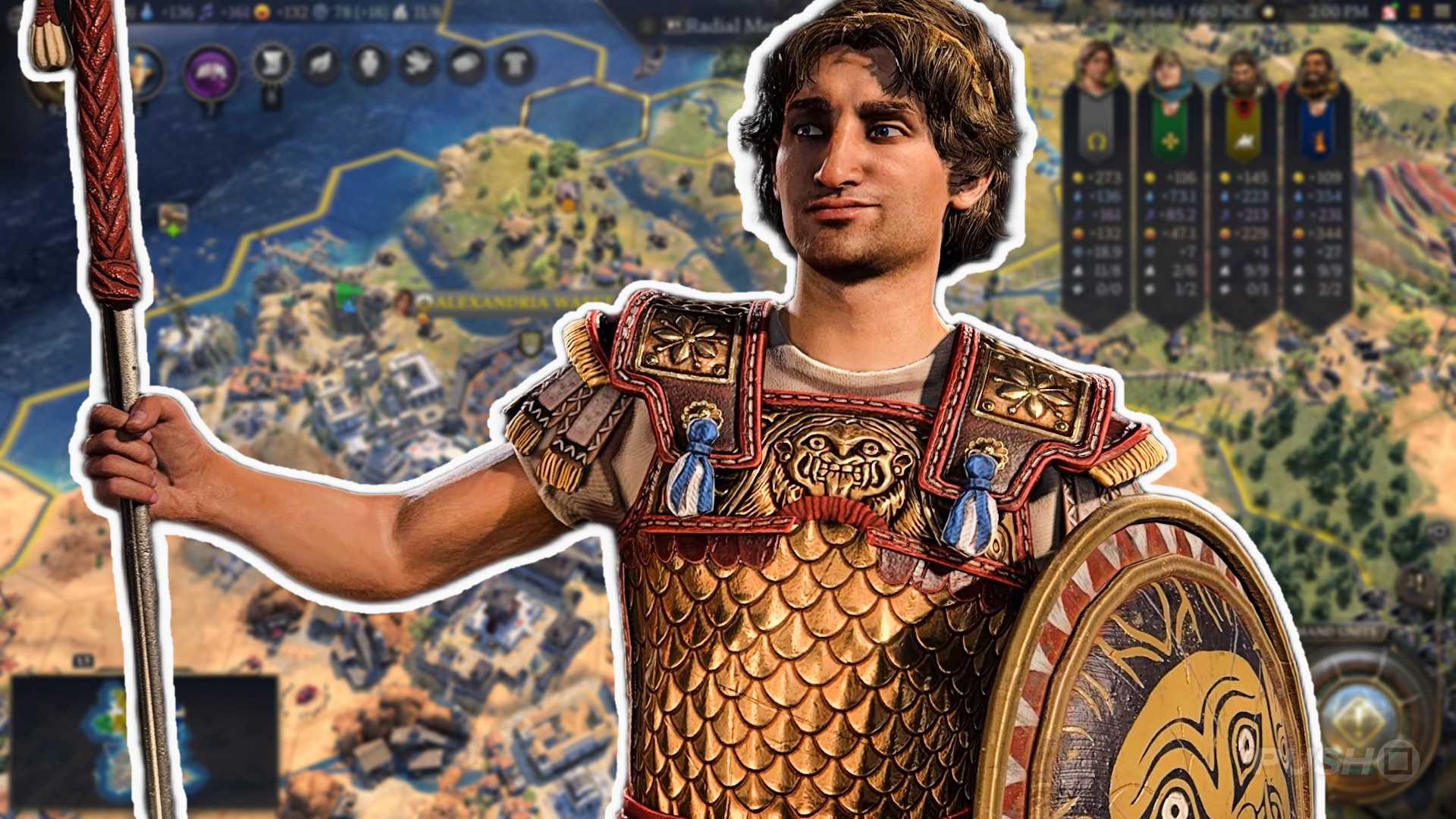
Civilization 7 has had a rocky start since its initial release in February last year.
When I first reviewed it, I said the game’s biggest innovation over its predecessors – being forced to play a different civilization during each of the game’s three major ages – would also be its most divisive.
This came true, with many players unhappy about not being able to play the same civilization the entire game, and others complaining about the repetitive objectives of each age known as Legacy Paths. Active player numbers on Steam have been lower than the franchise’s previous instalments – far below Civ 6 and even below Civ 5.
Subscribe to Push Square on YouTube170k
Firaxis now hopes to course correct with the Test of Time update: a major free update that has been developed to try and appease fan complaints. Honestly, it feels more like a soft relaunch of the whole game.
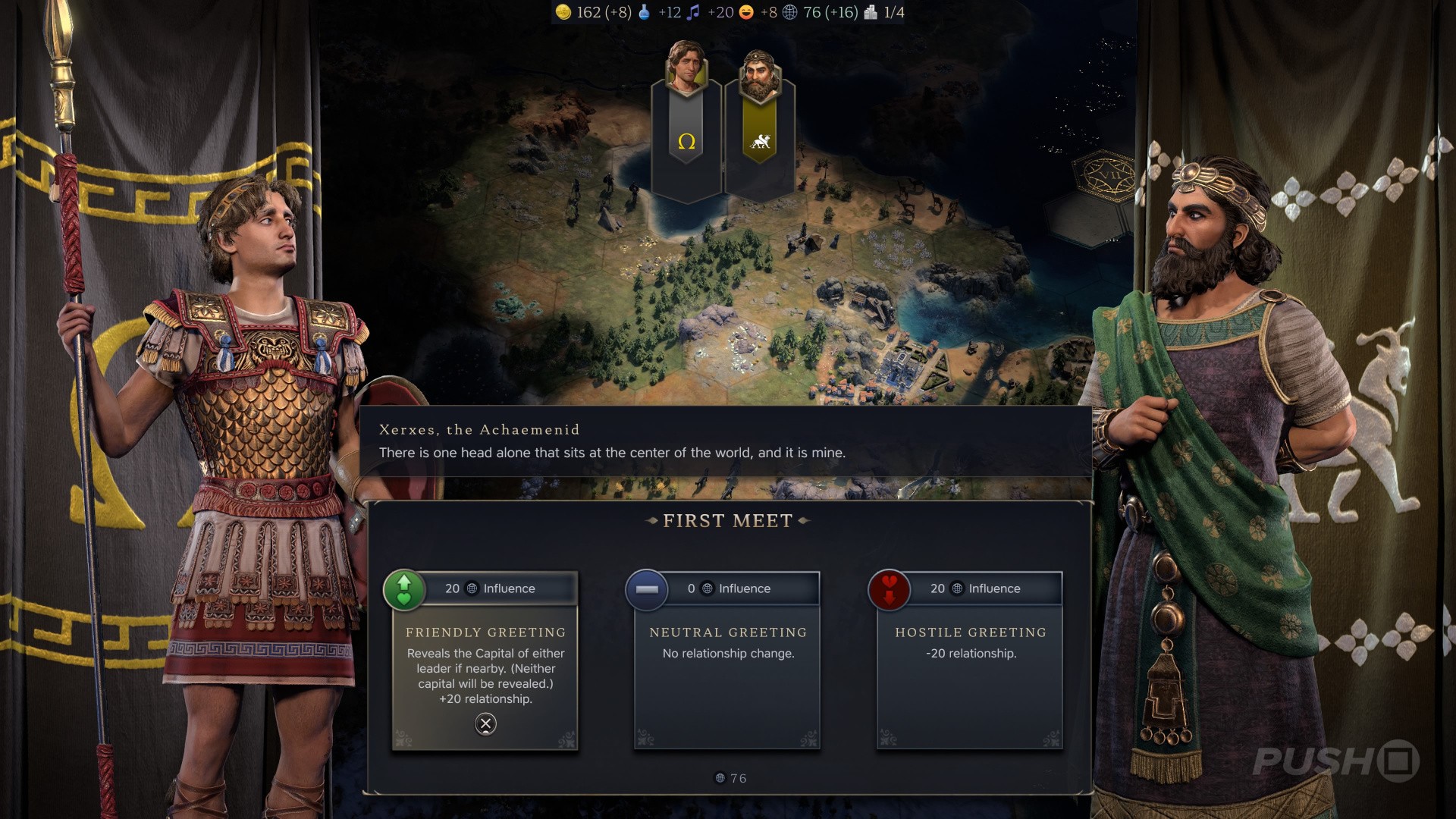
Firstly, the biggest change, civilizations are no longer locked to one of the three eras (Antiquity, Exploration, or Modern) and you can play as any civilization in any era. When an age transition occurs, you can now choose to switch to a different civilization of that era (the same as before), or you can continue playing as the same civilization.
Each civilization has an ‘apex era’ which is the era it was previously locked to and represents the civilization at the height of its power.
During its apex era a civilization will have full access to all its tools, its unique units, and infrastructure. Civilizations not in their apex era will get the opportunity to ‘syncretise’ where they will be able to copy a different apex civilizations' unique unit or infrastructure for the rest of the age. You can alternatively ‘reaffirm’ your own culture and get a small bonus to your civilization’s core traits instead.
There are some limitations: you can only syncretise with another civilization that’s culturally related to your civilization or leader, and who you are borrowing from can’t be active in the current game.
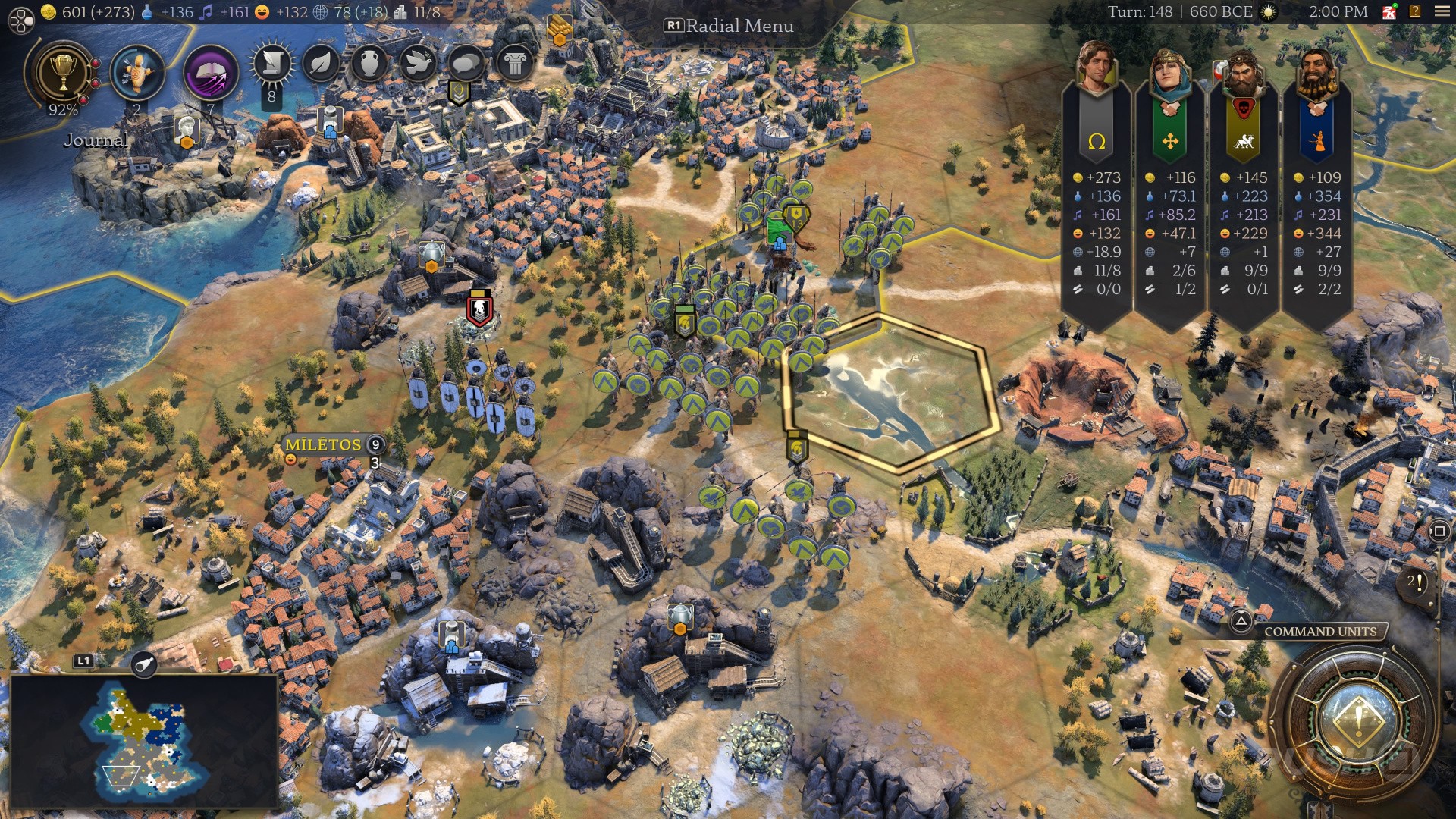
For example, as America in Antiquity you could have a Roman Forum as your unique infrastructure and then in Exploration have Norman Chevalier as your unique unit. I was sceptical at first but being able to ‘build your own civ’ does give you a lot of strategic and thematic replay-ability, especially when combined with games ample unrestricted leader choices.
The other major change in Test of Time is the removal of Legacy Paths (the repetitive fixed objectives in the old version) and the introduction of the Triumphs system. Triumphs are completely optional ‘achievements’ your civilization can earn during an era and grant small bonuses upon completion.
Some Triumphs are available all era to everyone and others are a race to secure it before your opponents. You can earn Triumphs by doing things such as founding lots of cities, having a high population, being the first to complete the tech tree, or building lots of wonders. They are all optional, however, and are kind of in the background. You don’t feel like you need to shape your whole game around unlocking them.
The final victory conditions have also been improved. Previously the Modern era was a mad rush to secure one victory type and ignore everything else. Now you score points that count towards an overall victory through all eras in the game. You need to earn enough points in a category to claim that victory type, and the number of points needed depends on your biggest rival (like Tourism in Civ 6). This does make a victory feel more decisive as you will need a significant lead over all opponents rather than just sniping a victory condition as you could do before.
For Military, Economic, and Cultural victories it’s even possible to win and end the game in the Exploration era if you have a huge lead over your opponents. Science victory always requires Modern, though, because as always, you still need to launch a spaceship to win with science – no doubt for Civ franchise nostalgia reasons.
Finally, the Test of Time has brought a bunch of quality-of-life improvements, too.
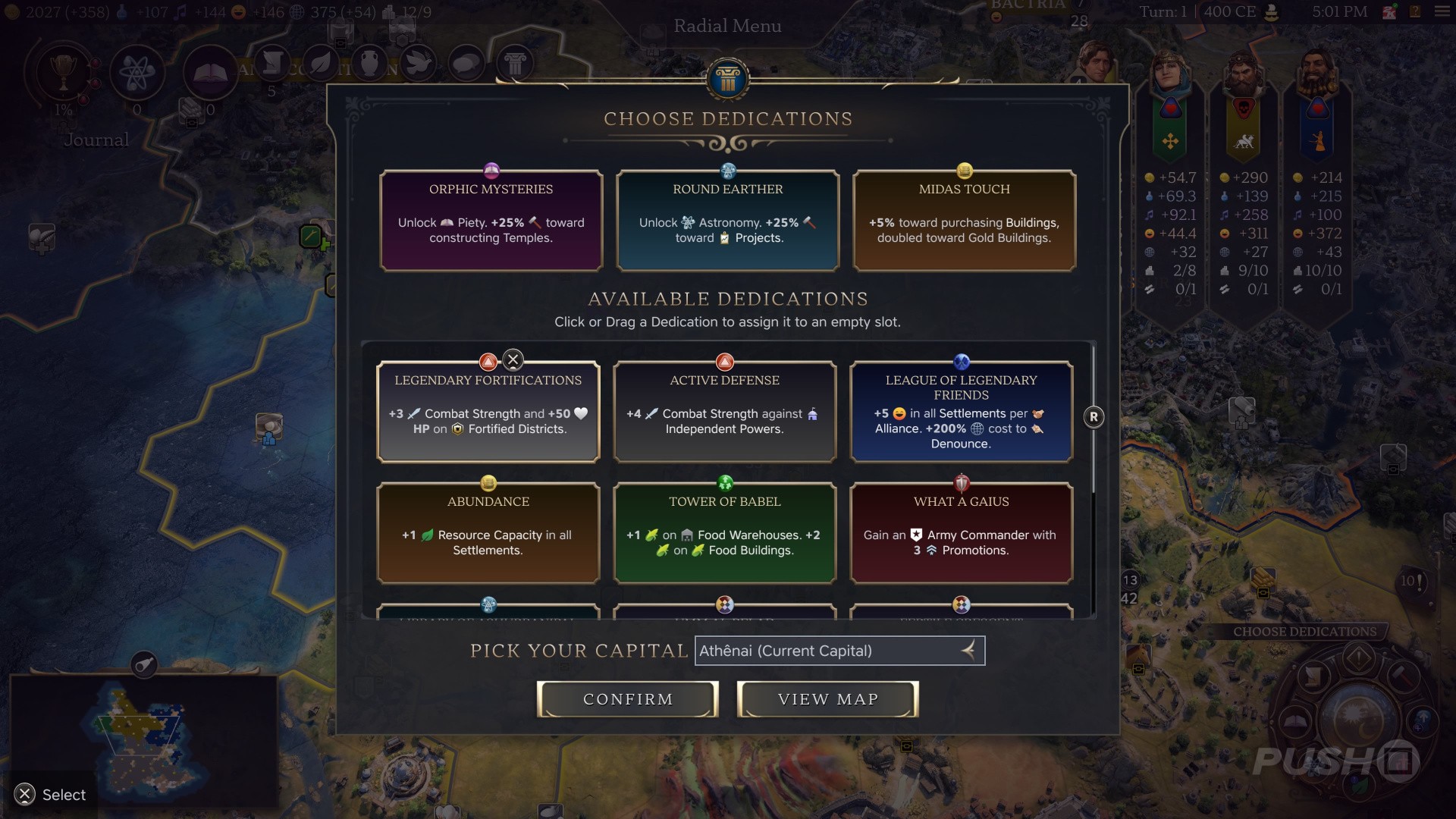
Most of the UIs have been improved, you can move your capital to any city at the start of each age, and my personal favourite: being able to build walls around wonders – no more ugly donut shaped cities!
The dev’s also added Alexander the Great as an extra leader available to everyone for free.