 by

Stupid Never Dies is a much deeper game than it initially seemed.
I’d only briefly come across some promotional material for GPTRACK50’s zombie-based roguelike by the time I sat down to play it at Gamescom. So to say I was surprised when some of its developers walked me through its extensive gameplay system would be putting it lightly.
In all honesty, I struggled for most of my 30 minutes of hands-on time with the game, but it only served to pique my interest all the more. There were a lot of different mechanics at play, and a lot of it wasn’t your typical roguelike tropes.
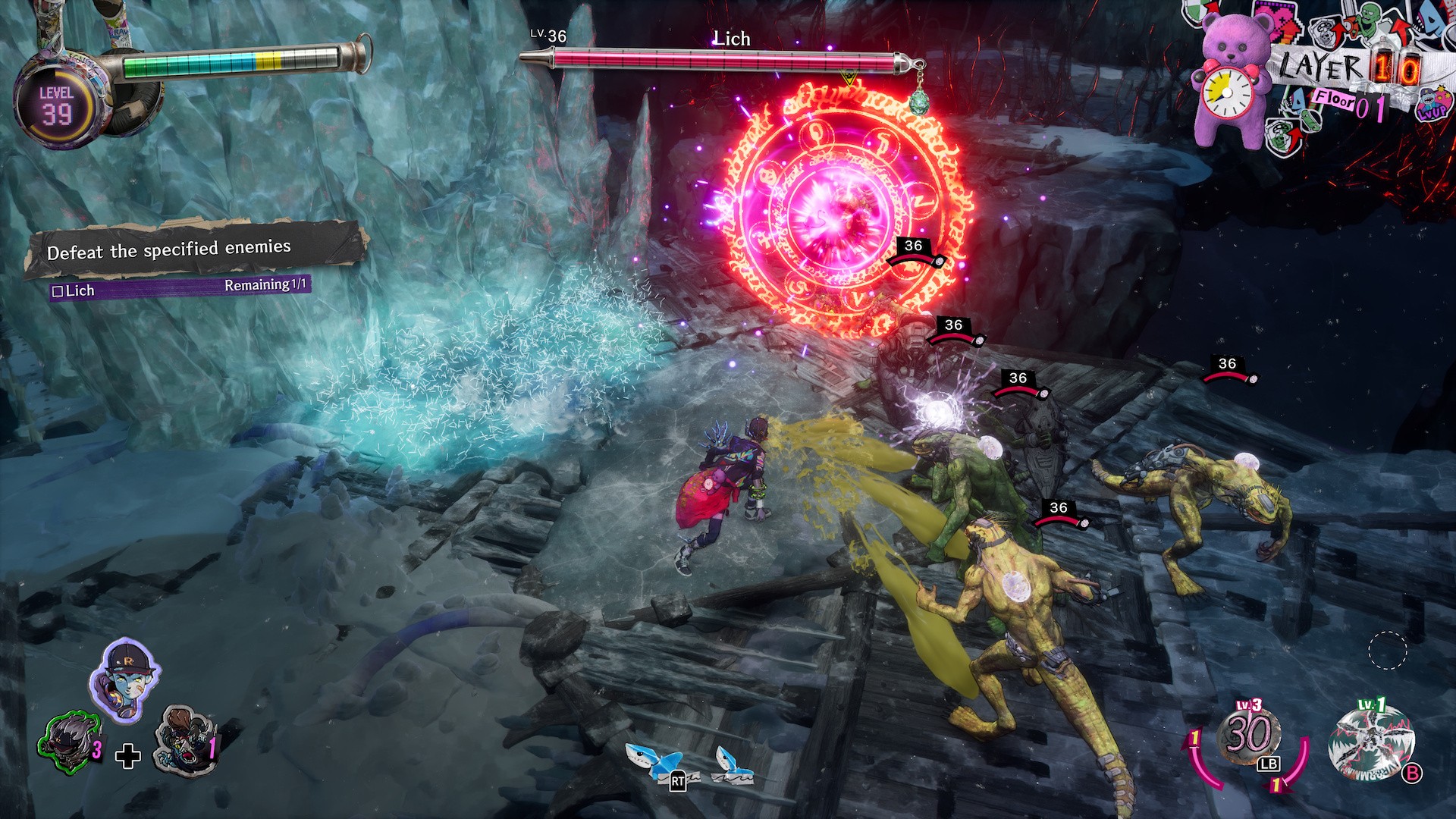
As mentioned, this is a roguelike where you play as a zombie. Flushing yourself down a jacked-up toilet, you start a manic descent across levels filled with a wild assortment of foes. You have your regular grunt enemies, but it’s the specific mini-boss-like opponents that really push things to the next level.
Some of these are cyclopes, others are werewolves. I fought snow faeries and ghouls too, all within the span of thirty minutes.
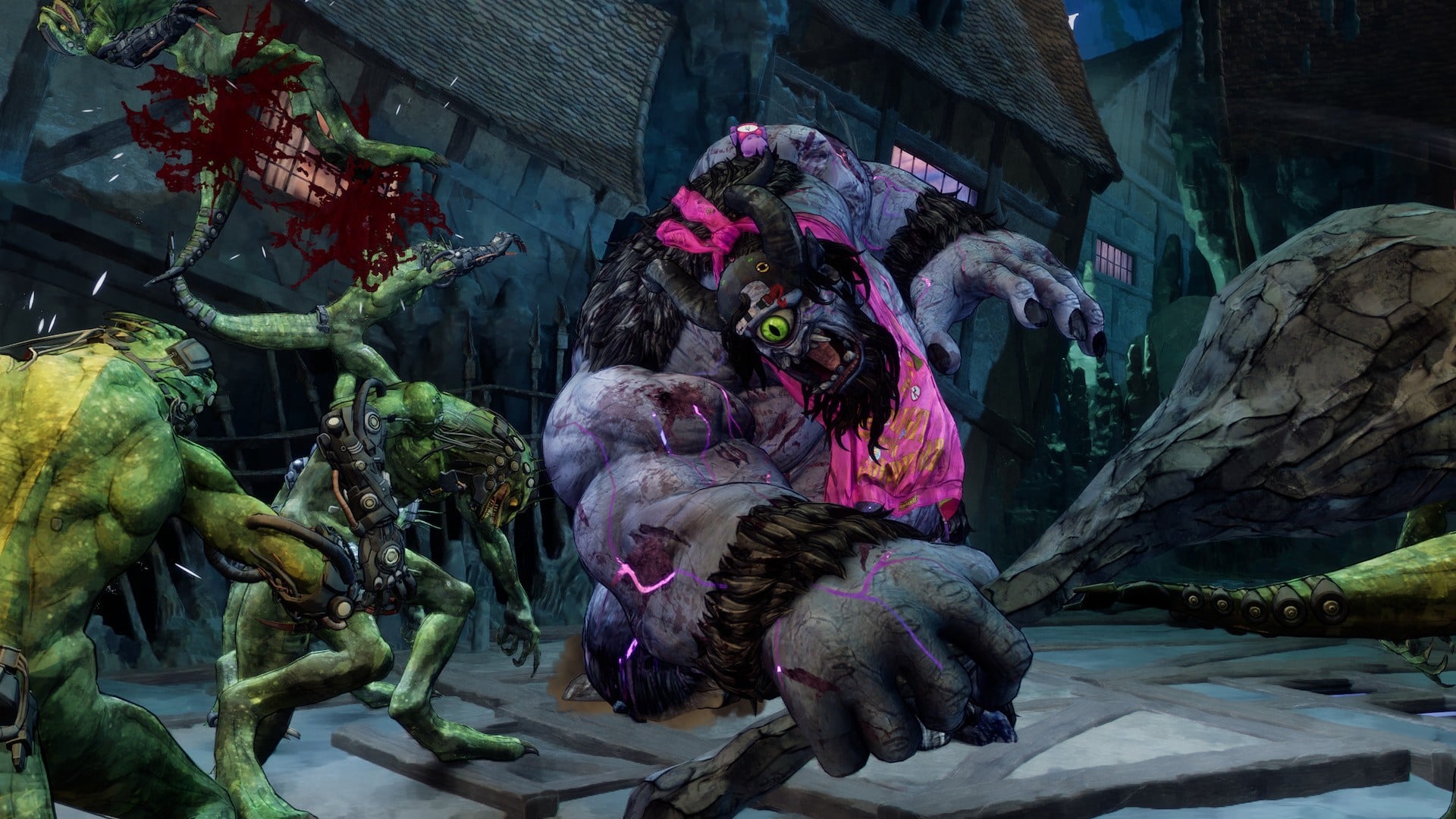
At its base level, combat didn’t come naturally to me. Blocking is mapped to the L2 button, and there’s no dodge mechanic, which I really struggled with. It didn’t feel at all natural, like some other roguelikes do, such as Saros or Hades. Sure, I started to feel a bit better about it towards the end, but I’ve acclimatised quicker to other games in the past.
However, Stupid Never Dies is a rather unapologetically dense game. In fact, I was asked to try out a two-hour demo prior to Gamescom as a tee-up for this demo. I never found the time, so part of that difficulty is on me, but I think it shows that GPTRACK50 knows it has a pretty challenging game on its hands.
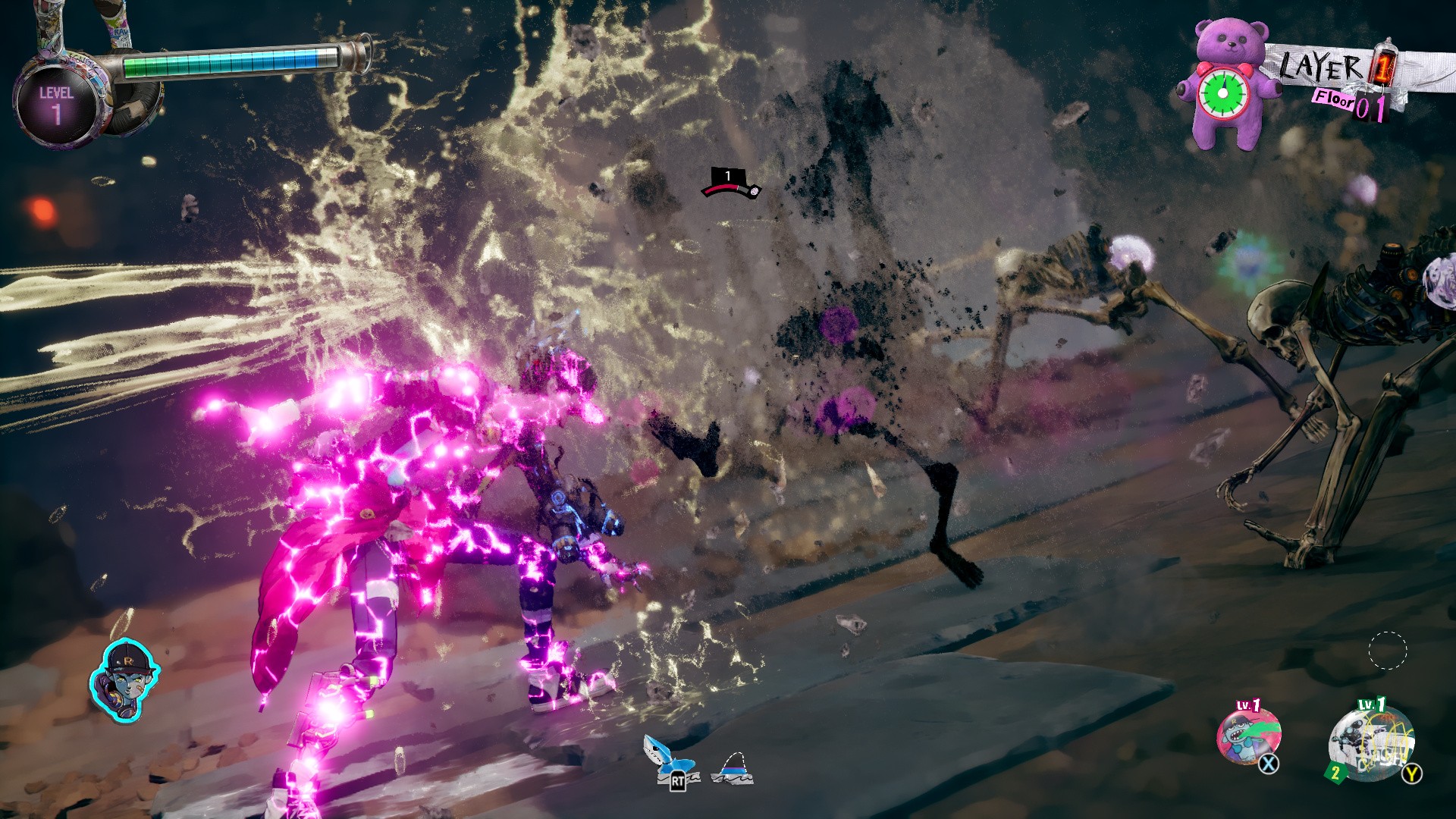
To ensure you aren’t bashing your head off a wall, Stupid Never Dies does have a pretty cool power-up mechanic at play. Since you’re a zombie, you can bite and consume the essence of certain enemies and assume their form for a select number of levels.
You can only hold two of these at a time, but they come with whatever abilities that enemy formerly had, and you can switch between them and your regular zombie form on the fly. So in theory you could be running around as your zombie self, then bash a crowd of enemies as a cyclops and then start slashing as a werewolf. Pretty cool.
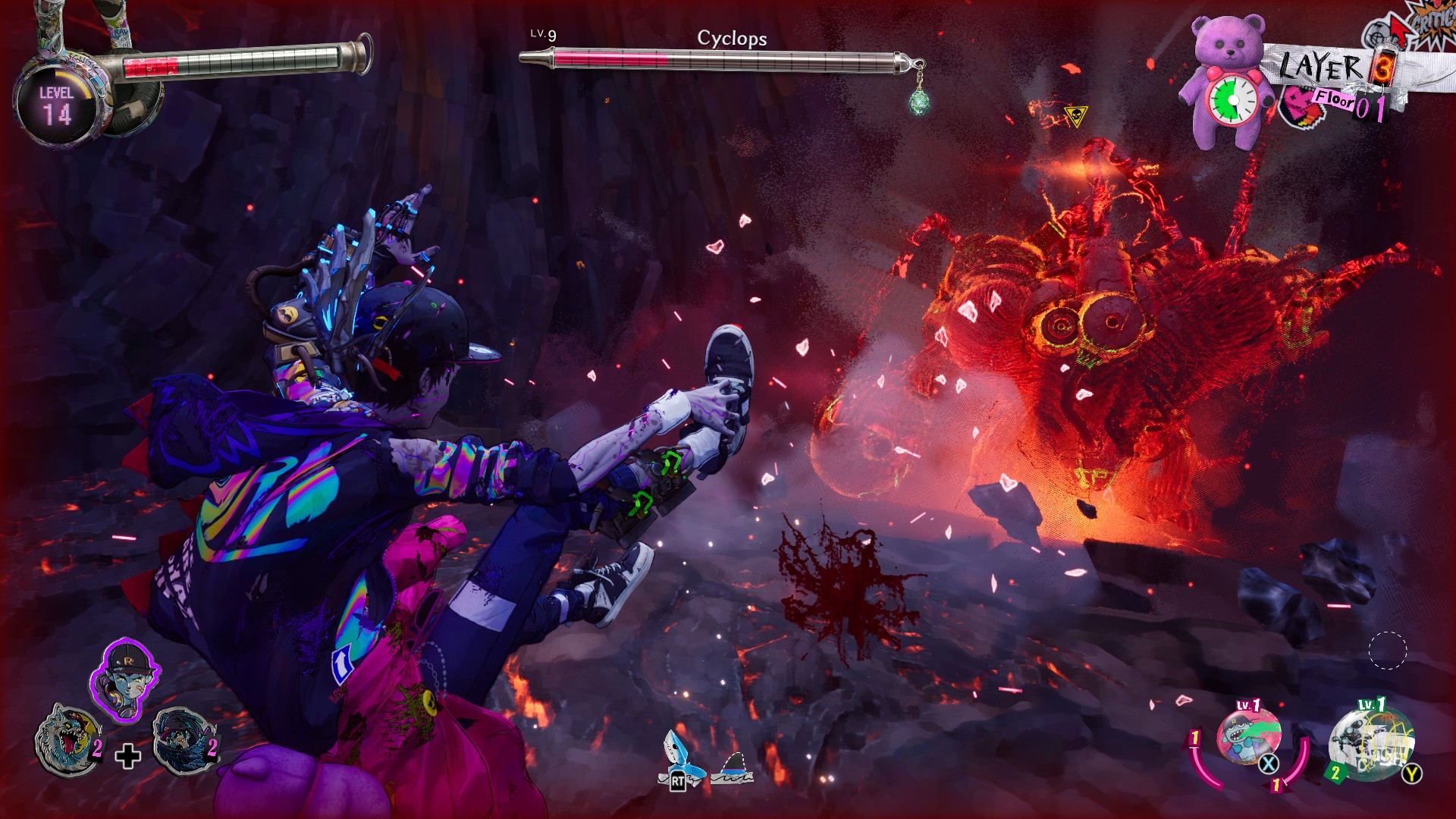
During my short spell with the game, I saw different variants of the same characters, each with different colour-tiered ratings. So you might come across a purple-tier werewolf, but it’s then up to you whether it’s worth swapping with that ghost you’ve really liked playing as.
These choices are to be made quickly, as Stupid Never Dies is all about speed.
As soon as you start your run, a timer begins. So the quicker you complete a level, the more you can push through on your run. You're also able to skip levels, but if you ditch too many these stages, you won't be levelling up properly, and you may end up underpowered when you face off against a boss.
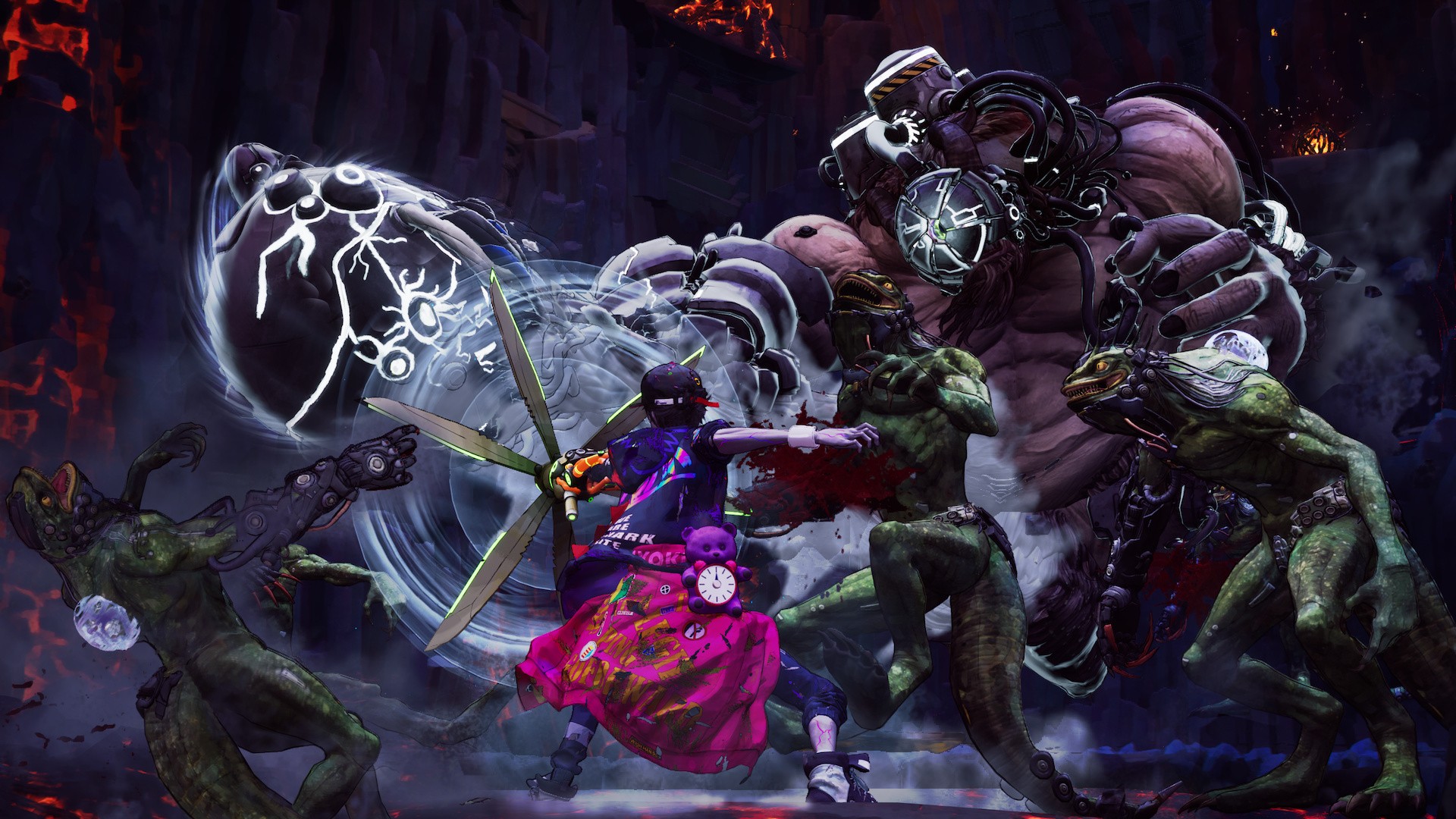
These were the quick, tense decision-making mechanics that had me a little upset when my timer ran out. Stupid Never Dies has an obvious level of depth to it, and that became all the more apparent when I died and went back to base.
There I could customise the arms I had equipped with different styles of weaponry, and I also received the perks from my run. The time I died, I nabbed something like a 2000% increase to XP gain (no, that’s not a typo), so even though I had to start from scratch, my previous run still felt worthwhile.
My big question, I suppose, is what all of this is building towards. I didn’t really get a sense of the story or any larger form of structure. It just felt like I went out on a fun run, died, and then went out again. I’m certain that structure is there; I just didn’t witness it during my time with the game.
I can’t wrap up without talking about the art style, which has this sort of pop-punk aesthetic. It’s deliberately garish, which may put a lot of people off – I know it’s not a selling factor for me. But in action, I actually came to like the style, which amplified combat with pops of cartoonish colour.
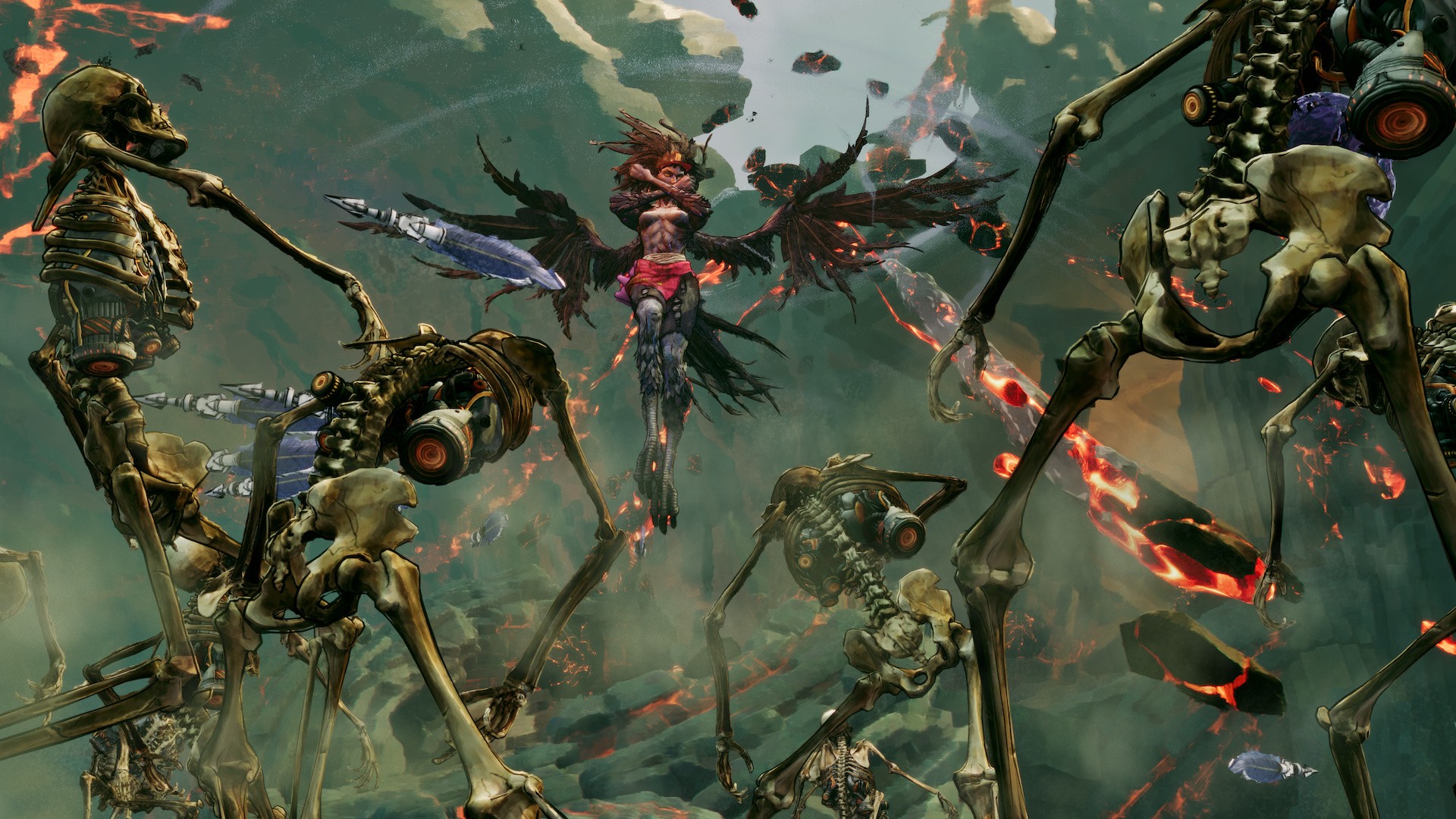
I did think the art design was a little inconsistent, though. Some of the revisited places, like that jacked-up toilet I mentioned, are brilliantly detailed and look really cool — but thanks to the procedural generation of its levels, some are a bit dull.
So Stupid Never Dies wasn’t a slam dunk for me. Its art style didn’t hit all of the time, and I found its controls a little odd to start. But with a bit more time, Stupid Never Dies could be a diamond in the rough.
With dense systems and wicked enemy variety (from what I saw at least), this is set to be a manic yet undeniably interesting take on the roguelike genre.
Are you interested at all in Stupid Never Dies? Flush yourself down to the comments to let me know.
PlayStation Buttons based on work by VictorPines, CC BY-SA 4.0, via Wikimedia Commons


Comments 17
Roguelike seems to be the most popular thing in the gaming world. And still Sony defenders say that Saros is too niche to sell.
I was unaware that this was a roguelike, was that ever brought up before? Regardless I don't think this is something for me but I do appreciate the art style!
Had my eye on this one but I didn't know it was a roguelike thought it was a character action game. Will see how the reviews turn out for it.
I’m interested but its release date isn’t doing it any favors. I’ll be busy with other games at the time.
Not a hard sell for me
Definitely has that PS3-era vibe to it and I'm perfectly fine with it.
Not a hard sell for me in the slightest, and I usually look the other way with roguelite elements (it's more roguelite than roguelike, there's permanent progression and quick boost elements). The demo has so much charm and the action is satisfying, I'm locked in for day one!
@Dalamar I don't doubt Roguelikes have their place but I've read some reports which estimate Returnal lifetime sales to be be just over a million as of 2026 and Saros isnt currently setting the world alight either.
On console at least I think there are definitely more "popular" genres for Sony to invest in.
It sounds interesting but i don't think this game will sell well. But i will still buy it when i have the money and time to play it.
@Dalamar Saros is niche not because the roguelike mechanic but niche because it leans heavily on a fast-pace arcadey shooter mixed with classic bullet hell enemies.
Depends on the price, £40 maybe or a sale.
I'm in day one. SEGA handling the publishing is a plus in my book, and this kind of crazy deserves to be embraced. As some said, it has a ps3-era vibe, and I'd rather play a potentially unforgettable 7/10 than a safe 9/10.
ah darn had no idea this was a roguelike. Can go ahead and scratch that from my wishlist
Nah I thought so at first when they announced it..Played the demo and was instantly bored after about 15 minutes in
Plural form "cyclopes" checks out, well done 🎉
@Dalamar It is for Sony's audience.
I still like what I see. It looks like a mix of so many of the PS3 games I tried like Dante's Inferno, Brutal Legend and Lollipop Chainsaw. I'm starting to really like Roguelites too, the loop has become really addictive and rewarding.
Hmm, it's going to be £40 for the standard edition. Might have to get this at launch, I like how it looks tbh and £40, can't grumble.
Show Comments
Leave A Comment
Hold on there, you need to login to post a comment...