 review by
Growing up, Tales was one of my favorite Japanese RPG series, one that I wished got as much attention as Final Fantasy and Persona.
With the success of the latest entry, 2021’s Tales of Arise, Bandai Namco has sought to port some of the older games to modern platforms. Many of them have aged well, including Graces f, Xillia, and Berseria.
Now, the publisher's digging into the vault even further with Tales of Eternia Remastered Remastered. While it tells a timeless story about bonds and friendship, the gameplay hasn’t held up completely, 26 years later.
Tales of Eternia follows a young man named Reid Hershel along with his friends Farah Oersted and Keele Zeibel. After finding a small girl named Meredy in a crashed airship, they head out to uncover her mysterious origins and why she speaks a completely different language.
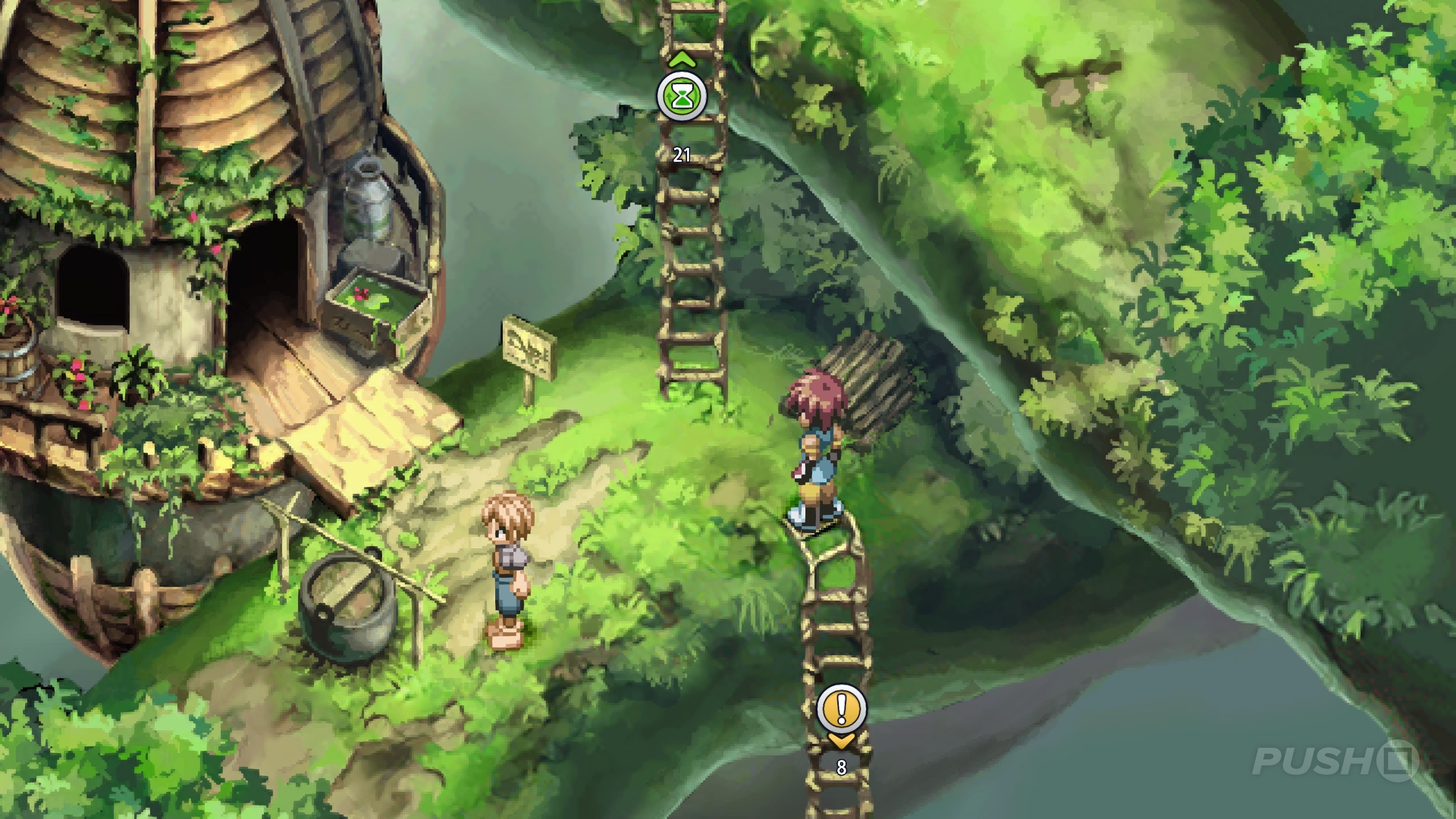
On their journey, they learn about a cataclysmic event called the Grand Fall that threatens to destroy the world, and how Meredy’s sudden appearance may be connected with it.
It’s a classic setup that escalates from small town beginnings to a grand world-saving adventure. It revolves around gathering elemental spirits to fight against the forces of evil, similar to other Japanese RPGs around the late 90s and early 2000s eras. If you’re looking for nostalgia in your storytelling, then Eternia’s tale will hit home.
Hanging out with Reid and the crew was always a delight in the original Eternia. His laidback attitude and Farah’s stubbornness compliment each other, while Keele’s studiousness and Meredy’s carefree demeanor often conflict and lead them into entertainingly awkward situations.
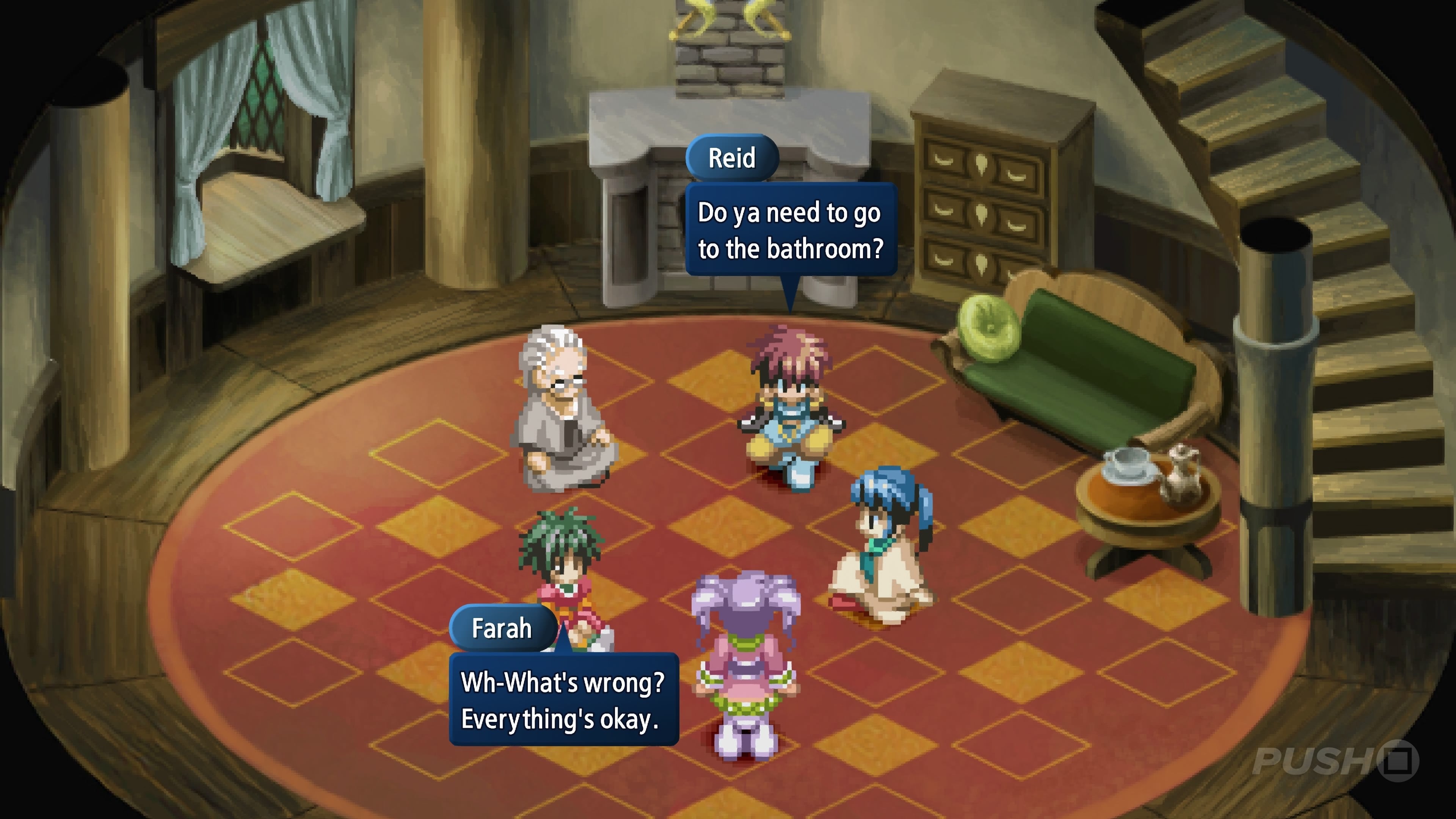
It also helps that this remaster has a cleaned up localisation, including a new script and much better English voice acting. English dubs have considerably improved since the 2000s, and the new voices sound lively and expressive, really elevating the story.
Plus, short optional conversations between the party, called skits, are now fully voiced. These add a lot of personality, to help flesh out the party’s character dynamics even more.
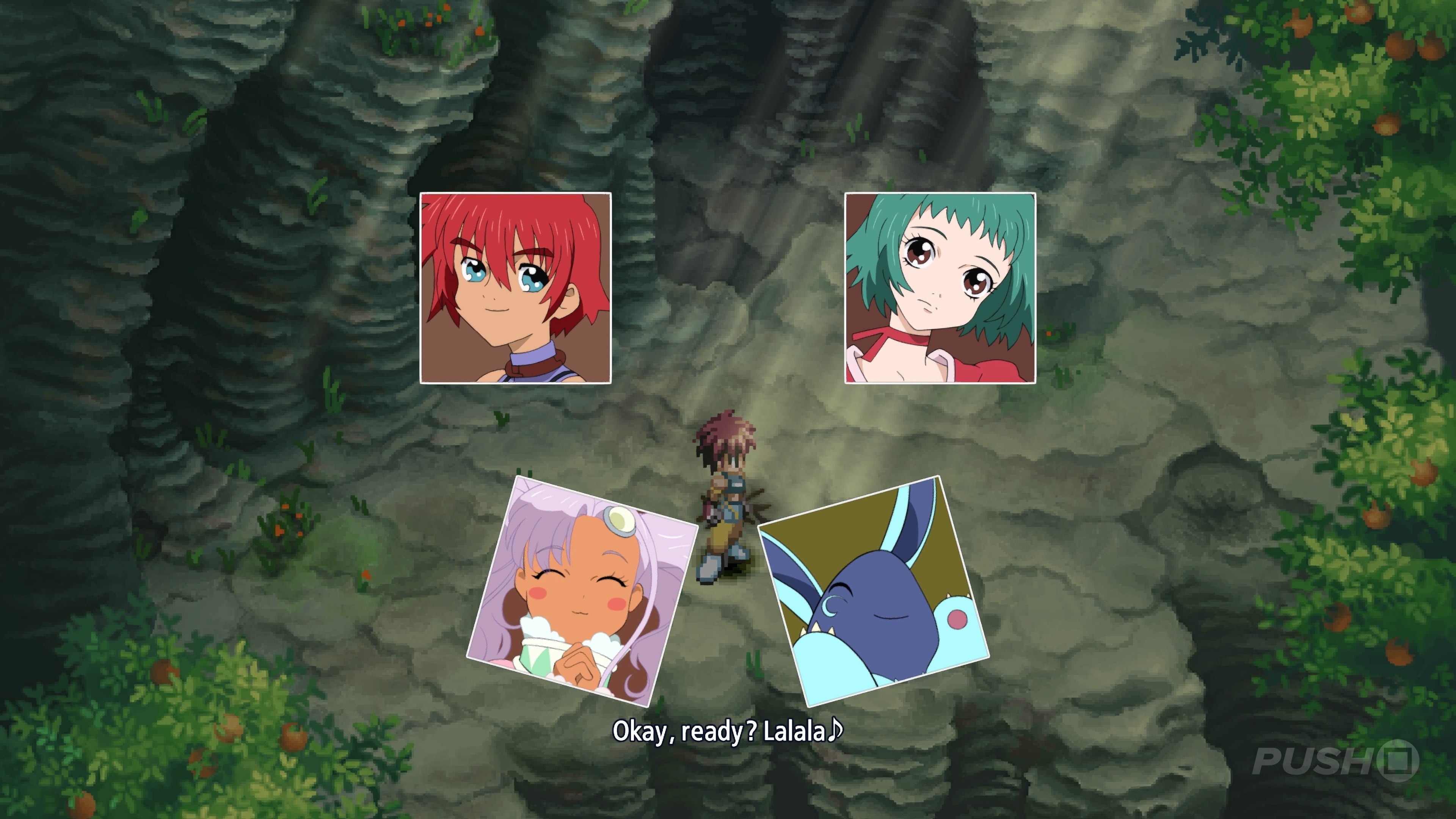
Another advantage that this remaster has is the inclusion of the original Japanese voice acting. So if that’s how you like to consume your anime or Japanese RPG media, you’re in luck as the original PlayStation version and its PSP port didn’t have it.
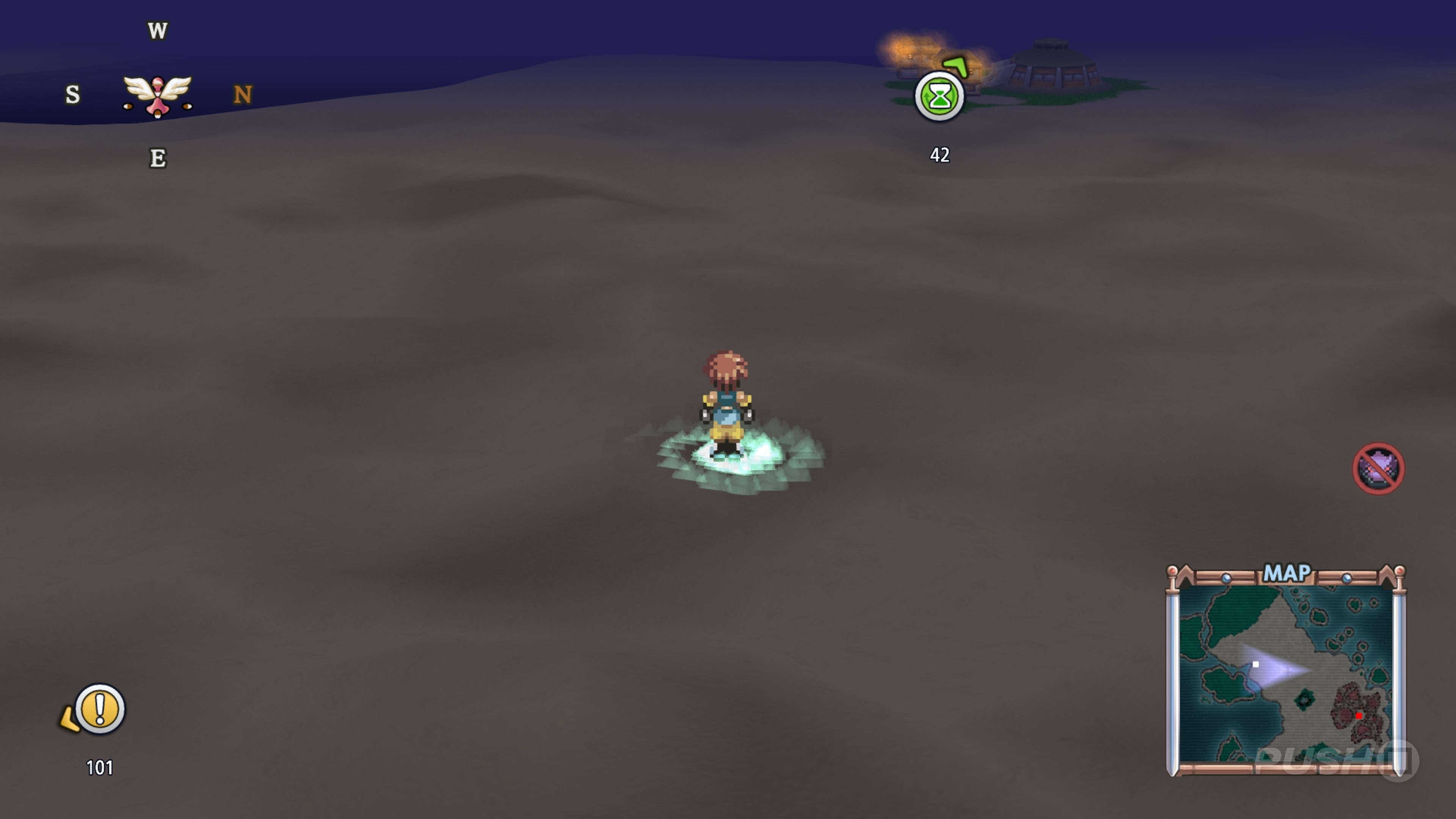
At the time of the PlayStation release, Eternia was criticised for looking like it belonged on an old Super Nintendo. This remaster has enhanced visuals, but environments still look dated, especially the plain world map.
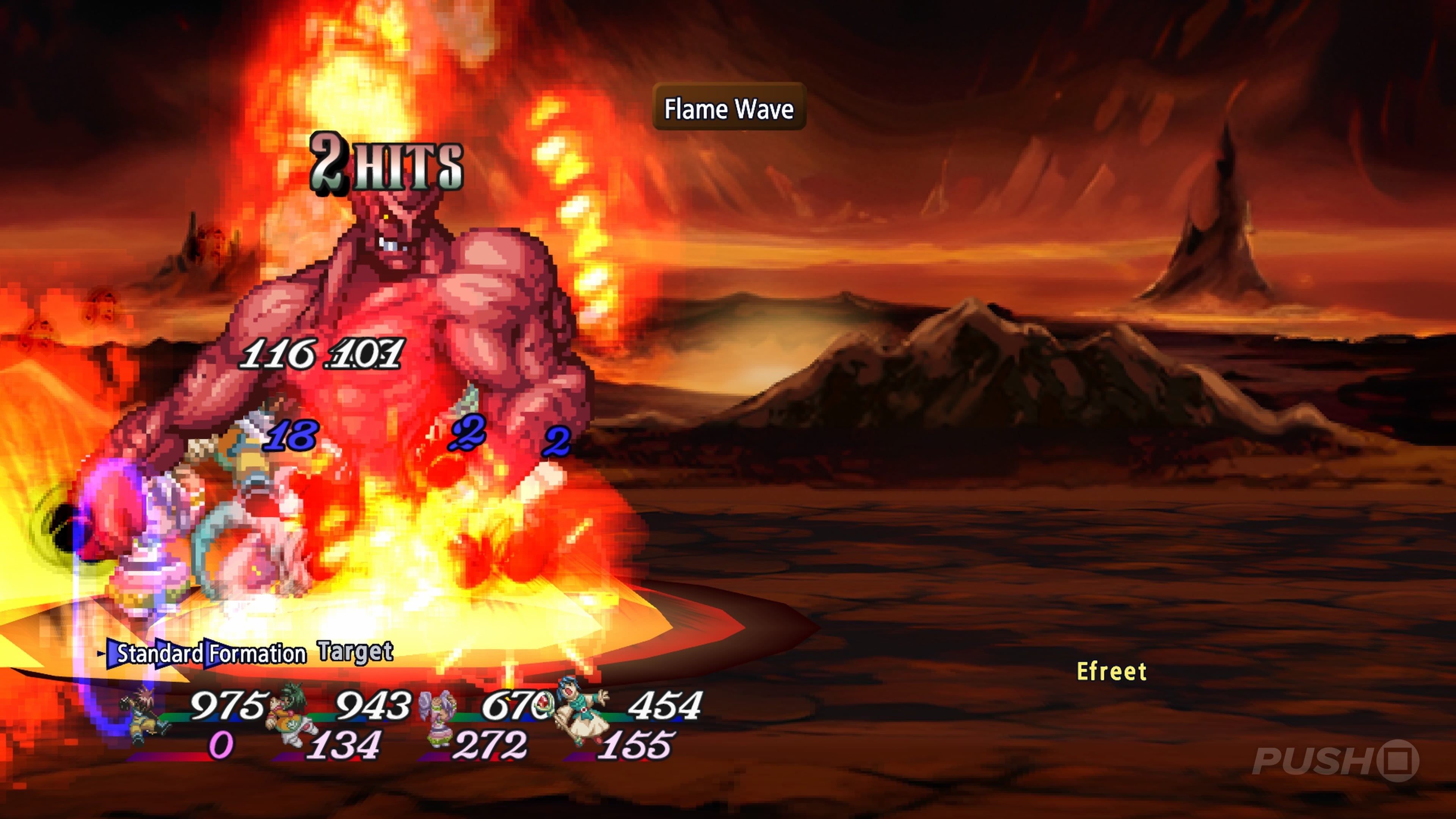
Eternia uses a 2D real-time action combat system, presented similarly to a fighting game like Street Fighter or Mortal Kombat. Your entire party runs across the battlefield in a straight line to unleash special attacks, called Artes, and spells to devastate enemies.
Reid and Farah are your close-combat units, with the former wielding melee weapons and the latter using her fists. Keele and Meredy are your designated mages, with one being more offensively focused, while the other has access to plenty of healing spells. Party roles are nicely balanced between them.
There are two other optional party members in the hammer-wielding pirate girl Chat and the gun-touting resistance group leader Max, but they’re more gimmicky than the core four due to their unorthodox playstyles, as well as requiring tedious side quests to unlock their full potential.
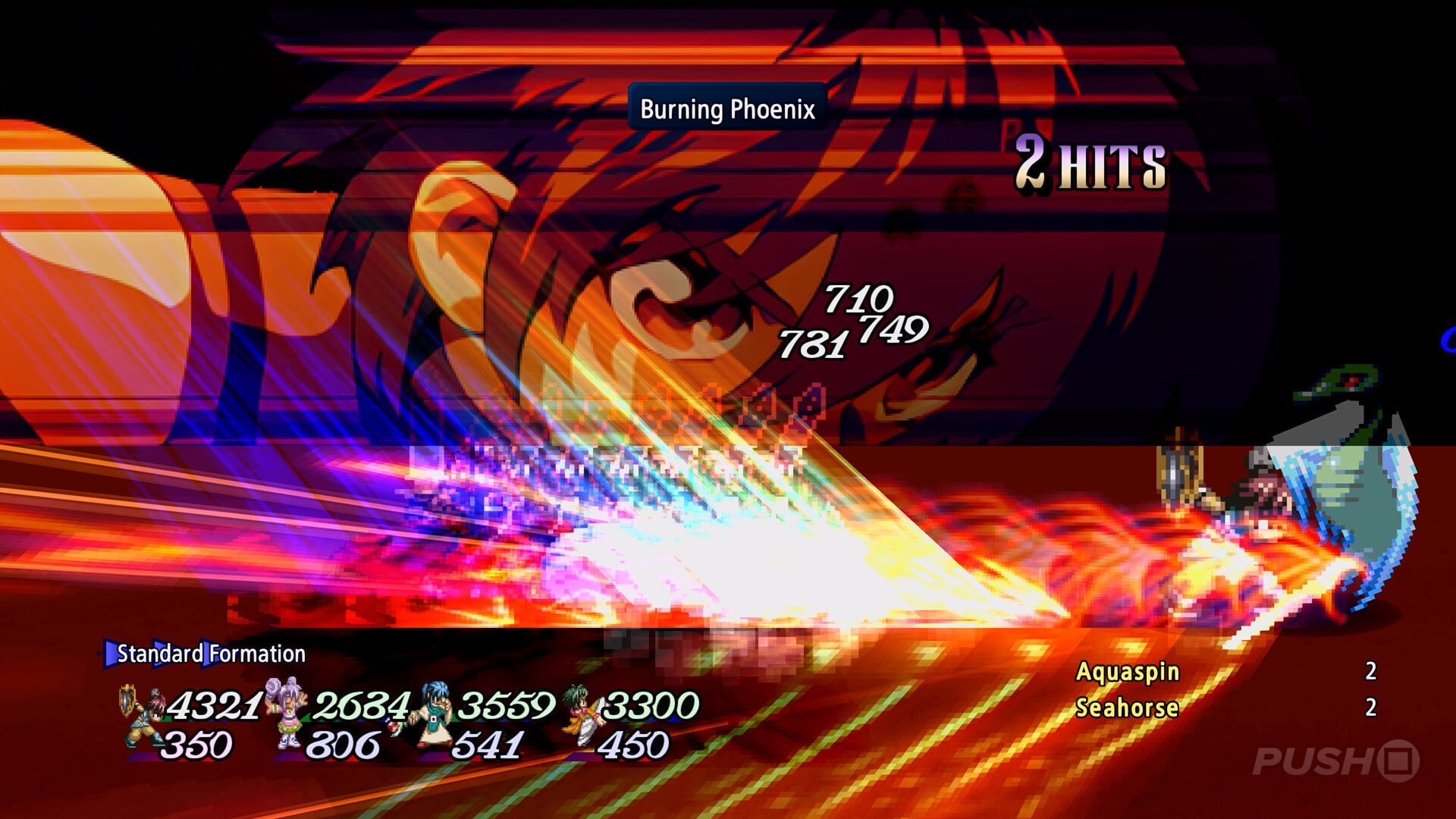
One of the biggest issues with combat is how inflexible it is. Again, movement is restricted to a single 2D plane. When chaos ensues during battle, it’s often hard to decipher exactly where you are and what’s going on since the sprites of allies and enemies alike can get bunched up together in the corner.
For those who’ve started the Tales series with the more recent 3D entries, it’ll be a difficult transition to the older 2D battle systems like in Eternia.
Thankfully, this remaster adds a whole suite of comfort and accessibility features to make gameplay much more digestible.
A staple of the Tales series is 'Grade' — points players earn after battle based on performance. They can then be spent on the Grade Shop before a New Game+ run, unlocking modifiers like EXP multipliers or doubling damage output for both enemies and allies.
While it’s hard to imagine a Tales game now without a Grade Shop, the original Eternia didn’t have one, and this remaster doesn’t either.
Instead, you can toggle these modifiers from the settings. You can select options like quadruple EXP and Gald acquisition, so you never have to worry about being underleveled or out of cash to buy new weapons. Activating these parameters also doesn’t lock you out of earning Trophies, which is appreciated.
You can toggle the random enemy encounter rate to its regular interval, low, or none at all — and I really like this range because a simple on and off toggle can sometimes be too drastic. Sure, I’d rather not fight a battle every five steps, but I don’t want to completely opt out of combat. After all, my party does need to level up, and so the Low setting fits the pacing perfectly.
Another huge quality of life addition is the inclusion of objective markers.
Retro RPGs are notorious for their lack of hand-holding. Oftentimes you’ll wander around the world map, pondering where to go next to progress the story. It’s part of the classic RPG experience, but not something that many modern gamers want to put up with today.
The objective markers helpfully point you to where you need to go, and there are separate markers that tell you which NPC to talk to in order to activate a quest. This way, you won’t miss out on any side content.
But of course, if you want to preserve the original experience, then you can turn them off too.
Conclusion
The emotional characters and story in Tales of Eternia still stand up to the test of time, and shine better than ever thanks to the revamped localisation in this remaster.
And while the combat isn't quite able to keep up, the slew of new accessibility features do a lot of heavy lifting to make it more palatable for the modern age.
If you go into Tales of Eternia Remastered with an open mind, ready to appreciate its nostalgic value, then there’s a lot to love about this faithful update of the classic PlayStation RPG.


Comments 13
Thanks for the review, George. Some of that art is very pretty.
Game seems good, gonna pick it up down the line
Any time someone uses "dated" in the context of a JRPG, you can sign me up. Thanks for the review!
So far, it looks like the physical release will be import only for North America. Hopefully VGP stocks it.
I really enjoyed the original game. I still the original UMD. I will get the remaster sometime down the line.
I’m a jrpg fanatic but for some reason I just never have been able to get into the Tales games. I was excited about Arise and kt ended up being a dud. Maybe I should give another try.
I'm baffled as to why they haven't remastered Phantasia, I want to play the Tales series in release order
I actually recently played the psp version for the first time (finished it the week they announced the remaster!)
I didn't love. It's one of my lower tier Tales games. But still glad they are re-releasing more in the series and making them available.
Phantasia and Destiny are the ones that are desperately needed
This was my first Tales Of game, I bought it on a whim on PSP back in the day, so it will always have that special place as being my favourite, I will pick this up when it is cheaper, but looking forward to having it in the collection 😁
Got the PSP version a week before they announce the remaster. This game screams to be played on a handheld.
Definitely grabbing this one, if only to show there is demand for remasters of the older Tales games, all of them should be on modern platforms!
No multiplayer no buy. No excuses for missing features that were present in the PS1 original.
@AlienigenX exactly. If I grab this it will be for my Switch. I personally love these visuals, but much of that is nostalgia.
Abyss when?! I have never played it and very much want to because I'm a huge fan of Johnny Yong Bosch and he voices one of the main characters. So GIB!
Show Comments
Leave A Comment
Hold on there, you need to login to post a comment...